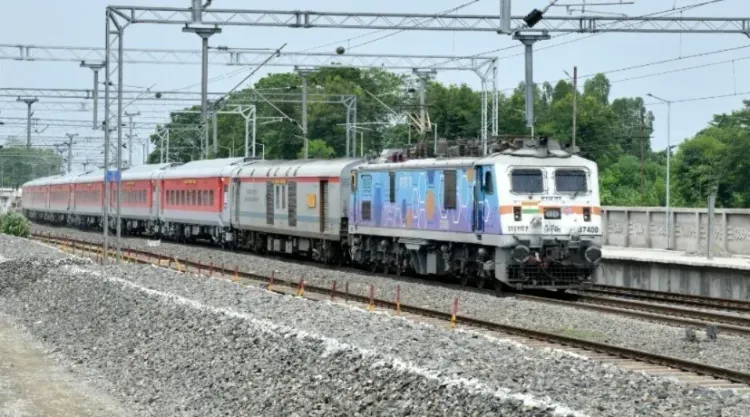
NFR converts all long-distance trains to LHB coaches, zone fully compliant
Synopsis
Northeast Frontier Railway has quietly crossed a landmark that most zones are still chasing — full LHB compliance across all 103 long-distance services. With over 3,400 AC coaches now carrying aerosol-based fire detection and 1,226 fitted with smoke suppression systems, the conversion is as much a fire-safety overhaul as a comfort upgrade for one of India's most challenging rail geographies.
Key Takeaways
NFR completed conversion of all long-distance trains to LHB coaches , announced on 22 August .
A total of 103 train services — 55 NFR-owned and 48 from other zones — are now fully LHB-compliant.
1,226 LHB AC coaches fitted with Fire and Smoke Detection Systems (FSDS) ; 155 power cars and 79 pantry cars equipped with FDSS .
3,436 AC coaches provided with Aerosol-based Fire Detection Systems .
NFR operates across all Northeastern states , 7 districts of West Bengal , and 5 districts of north Bihar , headquartered at Maligaon, Guwahati .
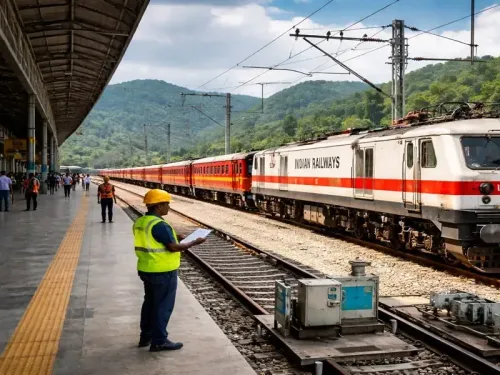
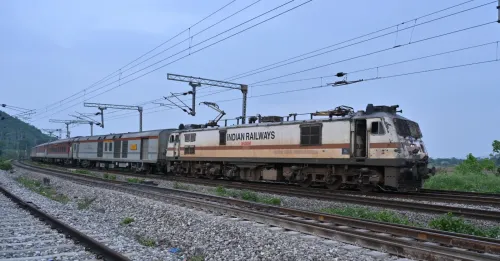
The Northeast Frontier Railway (NFR) has completed the conversion of all long-distance passenger trains across its zone from conventional Integral Coach Factory (ICF) coaches to modern Linke Hofmann Busch (LHB) coaches, officials announced on Saturday, 22 August. The milestone makes NFR the first railway zone to achieve full LHB compliance for its long-distance services, in alignment with Indian Railways' broader modernisation drive.
Scale of the Conversion
According to NFR's Chief Public Relations Officer (CPRO) Kapinjal Kishore Sharma, a total of 103 long-distance passenger train services now operate exclusively with LHB coaches. Of these, 55 services belong to NFR's own fleet, while the remaining 48 services are operated by other railway zones running through NFR territory. Sharma stated that the zone 'remains committed to ensuring enhanced safety, comfort and convenience for passengers throughout their journey.'
Advanced Fire Safety Systems on Board
The upgraded coaches come equipped with a layered fire safety architecture. A total of 1,226 LHB AC coaches have been fitted with Fire and Smoke Detection Systems (FSDS), while 155 power cars and 79 pantry cars carry Fire Detection and Suppression Systems (FDSS). Additionally, 3,436 AC coaches have been provided with Aerosol-based Fire Detection Systems.
These systems continuously monitor critical areas within coaches, raise early alarms for timely intervention, and are designed to minimise loss of life, property damage, and service disruptions. Officials noted that equipping all power cars, pantry cars, and AC coaches with fire protection systems is continuing in a phased manner.
Why LHB Coaches Are a Safety Upgrade
LHB coaches offer several structural advantages over the older ICF design. They are built with an anti-climbing feature that prevents coaches from piling on top of each other in the event of a derailment — a critical distinction that has made them the preferred choice for Indian Railways' safety overhaul. Their higher speed potential and lower maintenance requirements also translate into operational efficiency gains for the zone.
Notably, this conversion comes amid Indian Railways' nationwide push to phase out ICF coaches entirely from its long-distance network, a programme that has gathered pace after several high-profile accidents involving older rolling stock.
NFR's Operating Footprint
The NFR, headquartered at Maligaon near Guwahati, operates across all eight Northeastern states, as well as seven districts of West Bengal and five districts of north Bihar. The zone's terrain — marked by rivers, hills, and seismically sensitive corridors — makes robust coach safety systems particularly critical for the region's passengers.
Regular safety drives, periodic audits, and inspections are carried out to identify vulnerabilities in asset maintenance and systemic gaps, officials added. With full LHB compliance now achieved, attention is expected to shift to station infrastructure and signalling upgrades across the zone.
Point of View
But the headline number — 103 services — needs context: 48 of those trains belong to other zones, meaning NFR's direct fleet achievement is 55 services. The fire-safety layer is the more consequential story. The Northeast's seismic and flood-prone corridors have historically amplified the consequences of rail accidents, making FSDS and aerosol suppression systems less of a luxury and more of a necessity. Indian Railways' nationwide ICF phase-out has been years in the making; NFR completing it signals that even geographically complex zones can meet the target — a pressure point for zones with simpler terrain that are still lagging.
NationPress
7 Oct 2026
Frequently Asked Questions
What is the LHB coach conversion completed by NFR?
NFR has replaced all conventional ICF coaches on its long-distance trains with modern LHB coaches, covering 103 services as of 22 August. This makes the zone fully LHB-compliant for long-distance passenger operations.
How many trains are now running with LHB coaches under NFR?
A total of 103 long-distance train services now operate with LHB coaches — 55 services belonging to NFR and 48 services of other railway zones passing through NFR territory.
What fire safety systems are installed in the new LHB coaches?
The coaches carry three layers of fire safety: Fire and Smoke Detection Systems (FSDS) in 1,226 AC coaches, Fire Detection and Suppression Systems (FDSS) in 155 power cars and 79 pantry cars, and Aerosol-based Fire Detection Systems in 3,436 AC coaches.
Why are LHB coaches safer than the older ICF coaches?
LHB coaches feature an anti-climbing design that prevents coaches from piling onto each other during derailments, significantly reducing casualty risk. They also support higher operational speeds and require less maintenance compared to ICF coaches.
Which states does NFR serve?
NFR operates across all eight Northeastern states, seven districts of West Bengal, and five districts of north Bihar. Its headquarters is at Maligaon, near Guwahati, Assam.