Nidhi Chhibber Appointed as New CEO of NITI Aayog
Synopsis
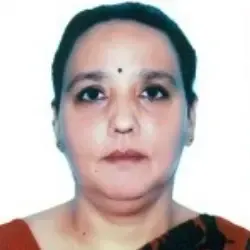
In a significant governmental shift, Nidhi Chhibber has been appointed as the new CEO of NITI Aayog, taking over from BVR Subrahmanyam. Known for her extensive experience in public service, Chhibber's role will be pivotal in shaping India's policy landscape.
Key Takeaways
Nidhi Chhibber appointed as CEO of NITI Aayog.
She has significant experience in public administration.
NITI Aayog promotes cooperative federalism.
BVR Subrahmanyam served a three-year term.
Focus on India’s development goals by 2047.
New Delhi, Feb 24 (NationPress) Following the completion of BVR Subrahmanyam's three-year tenure, the government has appointed Nidhi Chhibber as the new Chief Executive Officer of NITI Aayog. Currently, Chhibber is the Director General of the Development Monitoring and Evaluation Office (DMEO) within NITI Aayog.
In her existing position, she has been actively involved in monitoring and evaluating numerous flagship programs of the central government to gauge their effectiveness and impact.
A member of the 1994 batch of the IAS from the Chhattisgarh cadre, Chhibber has held several prominent roles throughout her career.
Previously, she was the Chairperson of the Central Board of Secondary Education (CBSE), where she led significant reforms and oversaw crucial examination processes.
She possesses a Master’s degree in History and a Bachelor of Laws (LL.B.), and is proficient in both English and Hindi.
Chhibber assumes this additional responsibility following the conclusion of BVR Subrahmanyam's term as CEO of NITI Aayog.
BVR Subrahmanyam, an IAS officer from the 1987 batch of the Chhattisgarh cadre, has enjoyed a lengthy administrative career lasting over three decades.
During his tenure, Subrahmanyam held several key roles across Madhya Pradesh, Chhattisgarh, and Jammu & Kashmir.
He also gained experience working with the World Bank for some time. At the national level, he served as the Secretary in the Ministry of Commerce and Industry and also contributed in the Prime Minister’s Office.
In Jammu and Kashmir, he was appointed as the Chief Secretary, while in Chhattisgarh he served as Principal Secretary.
In his latest role, Subrahmanyam focused on driving policy reforms with an emphasis on improving governance at the state level and advancing digital transformation to align with India’s ambition of becoming a developed nation by 2047 (Viksit Bharat @2047).
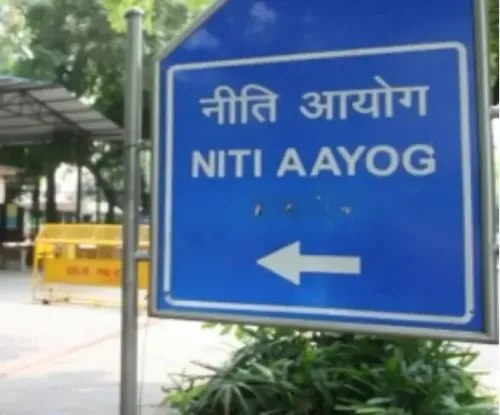
NITI Aayog acts as the government's leading policy think tank, replacing the Planning Commission to promote cooperative federalism.
Established on January 1, 2015, it supports a bottom-up development strategy, involving state governments in the policymaking process to fulfill national objectives.
Point of View
The appointment of Nidhi Chhibber as CEO of NITI Aayog is a strategic move that reflects the government's commitment to strengthening its policy framework. Her extensive experience and educational background are expected to bring fresh insights and leadership to one of the country's most important think tanks.
NationPress
24 Sept 2026
Frequently Asked Questions
Who is Nidhi Chhibber?
Nidhi Chhibber is a 1994-batch IAS officer from the Chhattisgarh cadre, currently serving as the Director General of the Development Monitoring and Evaluation Office under NITI Aayog.
What was BVR Subrahmanyam's role?
BVR Subrahmanyam served as the CEO of NITI Aayog for three years, focusing on policy reforms and enhancing governance at the state level.
What are Nidhi Chhibber's qualifications?
Nidhi Chhibber holds a Master’s degree in History and a Bachelor of Laws (LL.B.), and is fluent in English and Hindi.
What is the vision of NITI Aayog?
NITI Aayog aims to achieve India's vision of a developed nation by 2047, focusing on state-level governance and digital transformation.