CM Majhi at NITI Aayog Meet on Viksit Bharat 2047
Synopsis
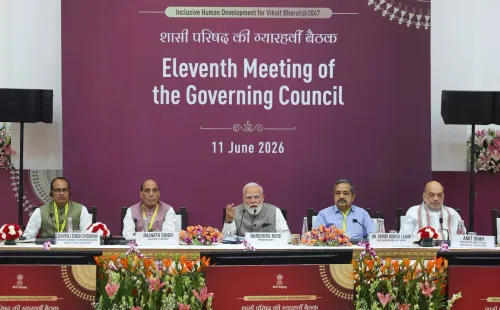
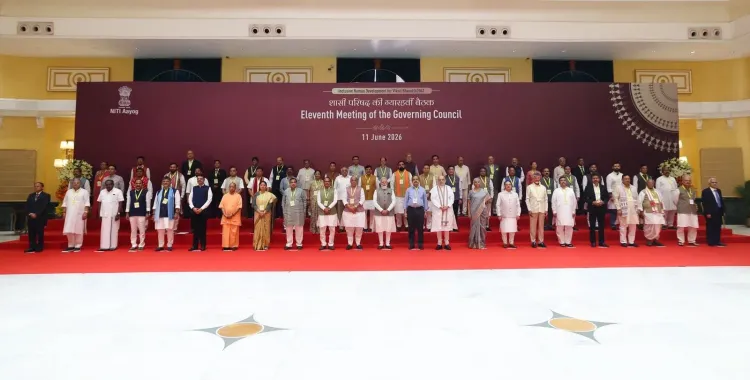
Odisha Chief Minister Mohan Charan Majhi attended the 11th NITI Aayog Governing Council Meeting chaired by PM Modi on June 11, 2026. Themed 'Viksit Bharat @ 2047 through Inclusive Human Development', the forum deliberated on human development, good governance, and people's participation as pillars of national progress.
Key Takeaways
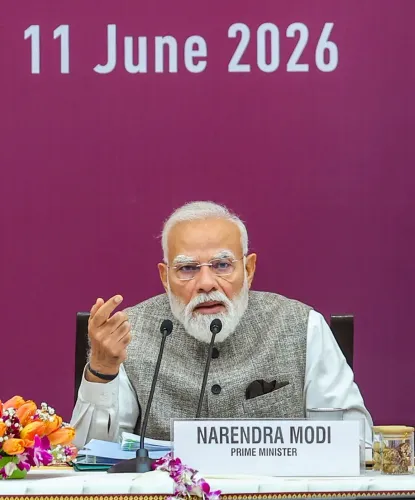
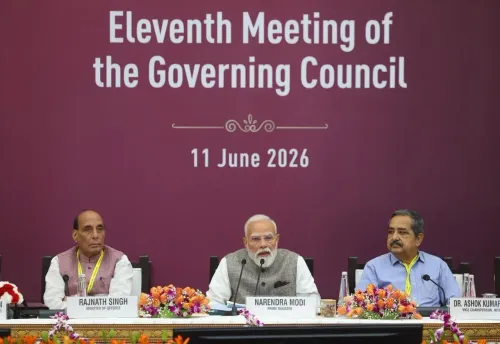
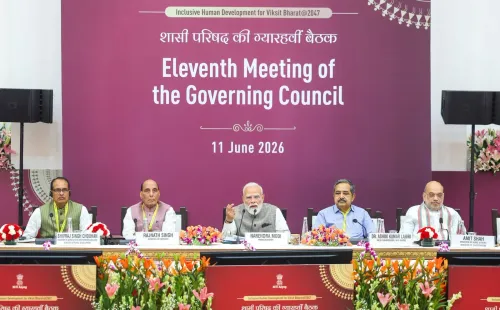
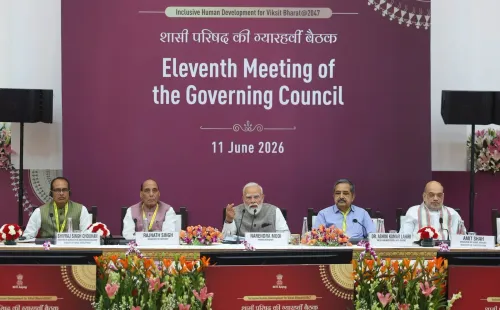
Odisha CM Mohan Charan Majhi participated in the 11th NITI Aayog Governing Council Meeting on June 11, 2026 .
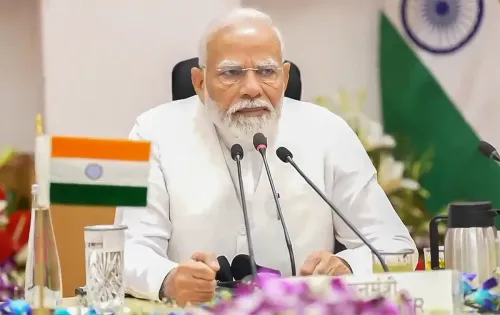
The meeting was chaired by Prime Minister Narendra Modi and themed 'Viksit Bharat @ 2047 through Inclusive Human Development' .
Deliberations centred on three pillars: human development , good governance , and people's participation .
CM Majhi reaffirmed Odisha's alignment with the PM's vision of empowering citizens and strengthening grassroots institutions.
The meeting reinforces the Viksit Bharat 2047 vision first articulated by PM Modi on Independence Day 2022 .
State-level rollout of action points and progress toward Samruddha Odisha will be the next measurable step.
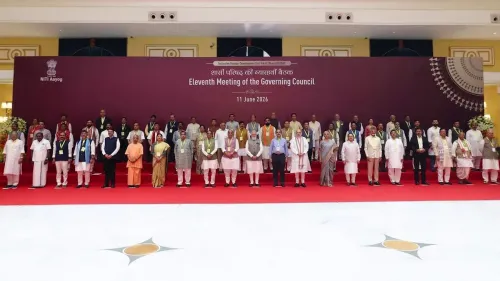
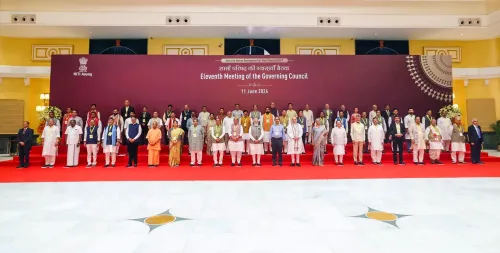
Odisha Chief Minister Mohan Charan Majhi participated in the 11th Governing Council Meeting of NITI Aayog on Thursday, June 11, 2026, chaired by Prime Minister Narendra Modi in New Delhi. The meeting, themed 'Viksit Bharat @ 2047 through Inclusive Human Development', brought together Chief Ministers and senior leadership from across the country for deliberations on human development, good governance, and people's participation.
Context
The NITI Aayog Governing Council is India's highest inter-governmental forum for aligning state and central development priorities. Constituted in January 2015 to replace the Planning Commission, the Council institutionalised cooperative federalism as its founding principle. Chief Ministers from all states and Union Territories participate in these meetings as equal stakeholders in national policy deliberations.
CM Majhi, who assumed office in June 2024, used the occasion to publicly reaffirm Odisha's alignment with the Prime Minister's development agenda, posting directly on X that 'the discussions reaffirmed that an inclusive, citizen-centric approach is central to India's development journey.'
Policy Backdrop
The Viksit Bharat 2047 vision — India's ambition to achieve developed-country status by the centenary of its independence — was articulated by Prime Minister Modi in his 2022 Independence Day address and has since been integrated as the overarching theme across NITI Aayog's planning frameworks. The 11th Governing Council meeting marks the latest formal iteration of this vision at the apex inter-governmental level.
The meeting's three stated pillars — human development, good governance, and people's participation — reflect a continuing policy emphasis on grassroots institutions and equitable, citizen-first growth. This framing is consistent with central schemes that have prioritised last-mile delivery and decentralised governance since 2015.
Stakeholders and Impact
Odisha, an eastern Indian state with significant tribal and rural populations, stands to be a key beneficiary of human development-focused national frameworks. CM Majhi specifically invoked the twin goals of 'Viksit Bharat' (Developed India) and 'Samruddha Odisha' (Prosperous Odisha), signalling that state-level planning will be calibrated to central priorities emerging from the Council.
State governments across the country are the primary implementing agencies for any action points that emerge from Governing Council deliberations. Citizens — particularly those in underserved rural and tribal areas — are the ultimate stakeholders in the inclusive human development agenda discussed at the meeting.
What's Next
The immediate focus will be on how individual states, including Odisha, translate the Council's deliberations into actionable state-level programmes and budget allocations. CM Majhi's public statement underscores Odisha's intent to actively contribute to the national agenda rather than merely participate in it.
Policy observers will watch for the rollout of any specific human-development action points at the state level and for the scheduling of the next Governing Council session, which will serve as the next checkpoint on India's progress toward the 2047 development target.
Point of View
Majhi is stitching Odisha's state brand directly to the Prime Minister's national vision — a pattern consistent across BJP-ruled states since the 2047 agenda gained traction. The emphasis on grassroots institutions and citizen-centric governance also signals that Odisha's administration is positioning itself as a model implementer, not merely a participant, in cooperative federalism. Whether this translates into measurable human development outcomes in Odisha's tribal and rural belts will be the real test of the forum's impact.
NationPress
22 Sept 2026
Frequently Asked Questions
What is the NITI Aayog Governing Council meeting?
The NITI Aayog Governing Council is India's apex inter-governmental forum, constituted in January 2015 to replace the Planning Commission. It brings together the Prime Minister, Chief Ministers of all states, and Union Territory administrators to align state and central development priorities under the cooperative federalism framework.
What is the Viksit Bharat 2047 vision?
Viksit Bharat 2047 is India's national ambition to achieve developed-country status by 2047, the centenary of independence. Prime Minister Modi first articulated this vision in his Independence Day address in 2022, and it has since become the overarching theme of NITI Aayog's planning and governance frameworks.
Why did Odisha CM Mohan Majhi attend the NITI Aayog meeting?
CM Mohan Charan Majhi attended the 11th Governing Council Meeting as Odisha's representative to deliberate on human development, good governance, and people's participation. He also reaffirmed Odisha's alignment with the PM's Viksit Bharat agenda and the state's own goal of achieving a Samruddha Odisha.
What does 'Samruddha Odisha' mean?
'Samruddha Odisha' translates to 'Prosperous Odisha' and is the Odisha state government's development vision under CM Mohan Charan Majhi. It is framed as Odisha's state-level contribution to the broader national Viksit Bharat 2047 goal.
What were the key themes of the 11th NITI Aayog Governing Council meeting?
The 11th Governing Council meeting was themed 'Viksit Bharat @ 2047 through Inclusive Human Development'. Key discussion pillars included human development, good governance, and people's participation as foundational elements of India's national progress.