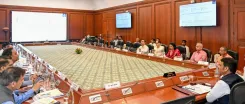
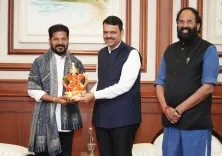
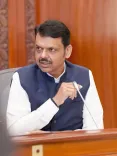
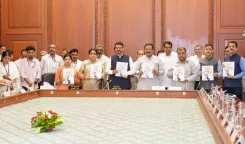
CM Mohan Yadav attends NITI Aayog 11th Governing Council meet
Synopsis
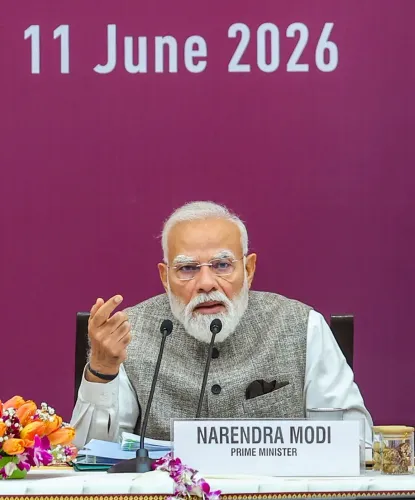
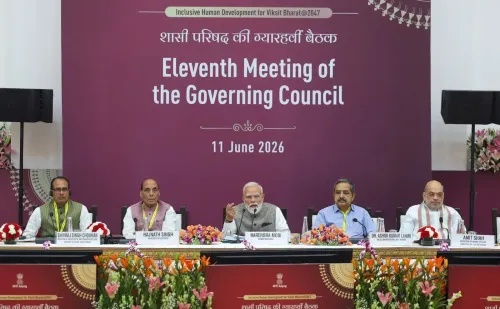
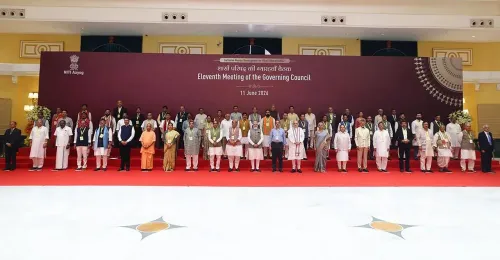
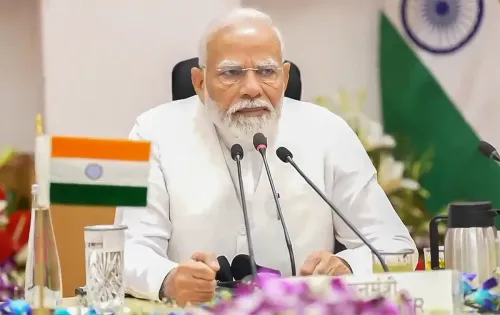
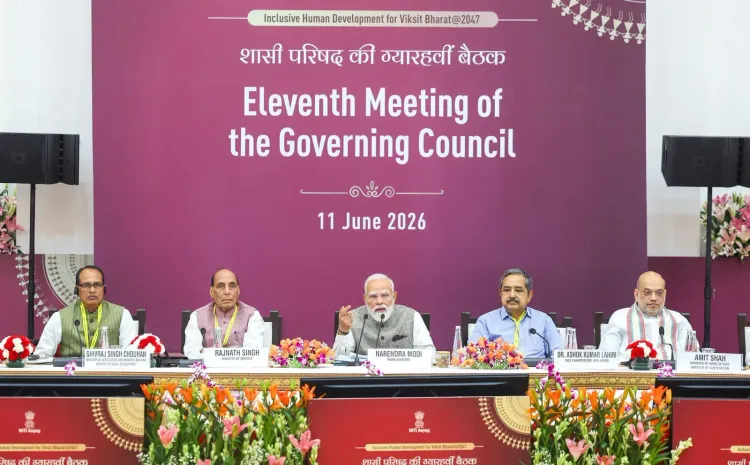
Madhya Pradesh Chief Minister Dr. Mohan Yadav participated in NITI Aayog's 11th Governing Council meeting in New Delhi on June 11, 2026, chaired by PM Narendra Modi. Discussions centred on cooperative federalism and the 'Viksit Bharat @ 2047' vision, with Madhya Pradesh reaffirming its commitment to good governance and inclusive development.
Key Takeaways
Madhya Pradesh Chief Minister Dr.
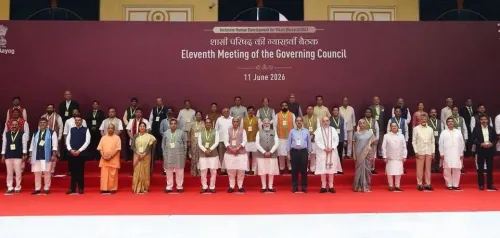
Mohan Yadav attended the 11th Governing Council meeting of NITI Aayog in New Delhi on June 11, 2026 .
The meeting was chaired by Prime Minister Narendra Modi and focused on the national vision of 'Viksit Bharat @ 2047' .
Discussions covered centre-state partnership, coordinated development efforts , and multiple dimensions of inclusive growth.
Madhya Pradesh reaffirmed its commitment to good governance, inclusive development, innovation, and public welfare as part of the national vision.
NITI Aayog , established in January 2015 , uses Governing Council meetings to align state and central priorities on long-term development goals.
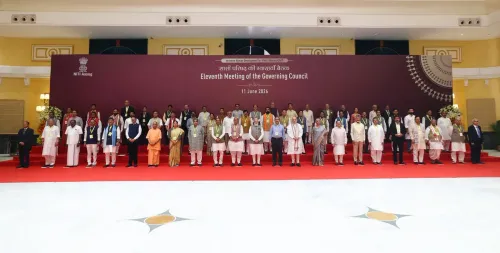
Madhya Pradesh Chief Minister Dr. Mohan Yadav participated in the 11th Governing Council meeting of NITI Aayog, held in New Delhi on Thursday, June 11, 2026, chaired by Prime Minister Narendra Modi. The meeting brought together chief ministers and other stakeholders to deliberate on the national vision of 'Viksit Bharat @ 2047' — India's roadmap to becoming a developed nation by its centenary of independence.
Context
Dr. Yadav shared his participation on social media, noting that the meeting involved 'comprehensive and meaningful discussions' on joint centre-state partnership, coordinated efforts, and multiple dimensions of development toward realising the 'Viksit Bharat @ 2047' vision. He affirmed that Madhya Pradesh is advancing its active role in building a developed India through commitments to good governance, inclusive development, innovation, and public welfare.
The Governing Council is the apex body of NITI Aayog and includes all chief ministers, lieutenant governors of Union Territories, and select central ministers. Its meetings serve as a formal platform for aligning state-level priorities with the central government's long-term development agenda.
Policy Backdrop
NITI Aayog was established in January 2015 to replace the Planning Commission, with a mandate to institutionalise cooperative federalism and foster a bottom-up approach to policy planning. Governing Council meetings have been convened periodically since its inception to synchronise state and central priorities on long-term goals.
The 'Viksit Bharat @ 2047' vision — targeting a fully developed India by the country's 100th year of independence — has emerged as the central organising framework across successive NITI Aayog forums. States across the country have been asked to align their development plans, budgets, and welfare schemes with this overarching national goal.
Madhya Pradesh has consistently positioned its policy agenda in line with national frameworks, emphasising governance reforms, social welfare delivery, and economic innovation as pillars of its contribution to the broader vision.
Stakeholders and Impact
The Governing Council meetings carry direct implications for state governments, policymakers, and the millions of citizens whose welfare programmes depend on coordinated centre-state funding and implementation. For a large state like Madhya Pradesh, active participation in such forums signals both political alignment and administrative intent.
Chief ministers who engage prominently in these deliberations often use the platform to project their state's governance credentials at the national level. Dr. Yadav's public communication underscores Madhya Pradesh's positioning as a proactive partner in the 'Viksit Bharat' project, particularly on the pillars of inclusive development and innovation.
What's Next
Following the 11th Governing Council meeting, attention will turn to state-level action plans and policy announcements that translate the broad discussions into concrete targets. Madhya Pradesh is expected to align its budgetary and administrative priorities with outcomes from the meeting.
Subsequent NITI Aayog engagements and progress reviews on Viksit Bharat targets will serve as the next formal checkpoints for measuring how states are converting the council's deliberations into on-the-ground outcomes.
Point of View
Consistent visibility at national platforms like NITI Aayog strengthens its case for prioritised attention in resource allocation and flagship scheme rollouts. The meeting's outcomes, and how states translate council deliberations into measurable action plans, will be the real test of whether this alignment is substantive or ceremonial.
NationPress
26 Oct 2026
Frequently Asked Questions
What is the NITI Aayog Governing Council meeting?
The NITI Aayog Governing Council is the apex body of NITI Aayog, comprising all chief ministers, lieutenant governors of Union Territories, and select central ministers, chaired by the Prime Minister. It meets periodically to align state and central government priorities on long-term national development.
What is Viksit Bharat @ 2047?
'Viksit Bharat @ 2047' is India's national vision to become a fully developed country by 2047, the 100th anniversary of its independence. It serves as the central framework for policy planning across central ministries and state governments.
Why did CM Mohan Yadav attend the NITI Aayog meeting?
As Chief Minister of Madhya Pradesh, Dr. Mohan Yadav is a member of the NITI Aayog Governing Council. He attended the 11th meeting on June 11, 2026 in New Delhi to participate in national-level discussions on cooperative federalism and the Viksit Bharat @ 2047 vision.
What did Madhya Pradesh commit to at the NITI Aayog meeting?
Dr. Mohan Yadav stated that Madhya Pradesh is advancing its active role in building a developed India through commitments to good governance, inclusive development, innovation, and public welfare.
When was NITI Aayog established and why?
NITI Aayog was established in January 2015 to replace the Planning Commission, with a mandate to promote cooperative federalism and a bottom-up approach to national development planning.