OMC profit of ₹77,821 crore in FY26 is a 3-4% margin, not a windfall
Synopsis
India's OMCs reported ₹77,821 crore in combined FY26 profit — a 130 per cent jump the Opposition calls a windfall. The data tells a different story: it is a 3-4 per cent margin on ₹20 lakh crore in turnover, roughly equal to FY24 levels, inflated only because FY25 was artificially depressed by ₹40,434 crore in absorbed LPG losses.
Key Takeaways
OMCs posted a combined profit of ₹77,821 crore in FY 2025-26 , a 130 per cent rise over FY 2024-25.
The jump reflects recovery from a one-year LPG absorption of ₹40,434 crore in FY25, not a new windfall.
FY26 profit is broadly in line with FY 2023-24's ₹80,986 crore .
Combined net margin is 3 to 4 per cent on ₹20 lakh crore turnover — standard for commodity refiners at this scale.
The Centre cut petrol and diesel excise by ₹10 per litre on 27 March 2026 ; Indian retail prices rose just 8-9 per cent versus 20-67 per cent in neighbouring economies.
Roughly half of OMC profits return to the government as dividend , funding public infrastructure.
India's three state-owned oil marketing companies (OMCs) posted a combined net profit of ₹77,821 crore in FY 2025-26, a figure the Opposition has labelled a windfall amid a global energy crisis. According to financial data, however, the number represents a 3 to 4 per cent net margin on a combined turnover of roughly ₹20 lakh crore — the standard working margin for a commodity refiner operating at this scale.
Why the 130 Per Cent Jump Is Misleading
The Opposition's charge rests on a 130 per cent year-on-year surge over FY 2024-25's combined profit of ₹33,602 crore. That base year figure, however, was artificially compressed: OMCs absorbed ₹40,434 crore in under-recoveries on domestic LPG pricing during FY 2024-25, pulling combined profit down by ₹47,384 crore compared to FY 2023-24. The Government of India subsequently compensated the companies for that absorption. The FY26 profit of ₹77,821 crore is, in fact, broadly in line with FY 2023-24's ₹80,986 crore, suggesting a reversion to normal rather than an exceptional gain.
How the Money Is Deployed
Roughly half of the combined OMC profit flows back to the Government of India as dividend, channelled into roads, highways, railways, and broader public investment. The retained portion finances a capital expenditure pipeline where a single refinery expansion programme costs between ₹50,000 crore and ₹60,000 crore. Indian Oil Corporation (IOC) alone carries annual turnover close to ₹10 lakh crore, with a typical profit range of ₹20,000 crore to ₹30,000 crore — a margin of approximately 3 per cent. Across all three OMCs, the cross-cycle operating margin sits between 1 and 3 per cent.
West Asia Crisis: Limited FY26 Impact
The FY26 profit figure is largely insulated from the ongoing West Asia crisis, according to the data. OMCs were operating on 50 to 60 days of pre-conflict crude inventory when hostilities escalated, meaning the actual disruption cost will land in Q1 FY 2026-27 rather than in the year under review.
Government's Consumer Protection Measures
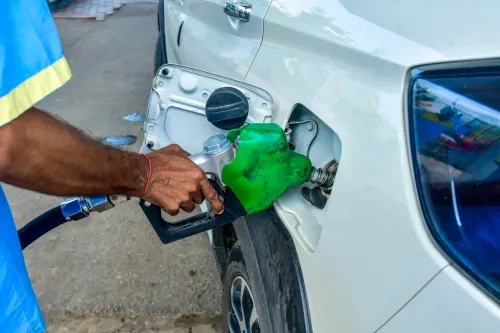
The Centre cut petrol and diesel excise duty by ₹10 per litre on 27 March 2026. As a result, Indian retail fuel prices have risen by only 8 to 9 per cent since the crisis began — compared to increases of 20 to 67 per cent in several neighbouring economies. Critics argue that the OMC profit debate obscures this comparative consumer protection record, which is among the more favourable in the region.
The Broader Context
For a commodity refiner of the OMCs' scale, a 3 to 4 per cent net margin is not exceptional — it is the minimum required to sustain capital-intensive operations, service debt, and fund the next cycle of capacity expansion. Analysts note that framing the headline profit figure without reference to turnover, dividend outflow, or the prior year's LPG absorption presents an incomplete picture of OMC financial performance.
Point of View
434 crore in government-mandated LPG absorption is not evidence of profiteering — it is evidence of accounting normalisation. The more uncomfortable question is whether the excise cut of ₹10 per litre on 27 March 2026 was timed to pre-empt exactly this political attack, or whether it was genuinely driven by consumer welfare. The data on retail price containment — 8 to 9 per cent against 20 to 67 per cent regionally — is a real achievement, but it should not be used to foreclose scrutiny of OMC pricing autonomy, which remains structurally limited and politically managed.
NationPress
11 Oct 2026
Frequently Asked Questions
What is the combined OMC profit for FY 2025-26?
India's three state-owned oil marketing companies reported a combined net profit of ₹77,821 crore in FY 2025-26, representing a 3 to 4 per cent net margin on combined turnover of approximately ₹20 lakh crore.
Why did OMC profits jump 130 per cent over FY 2024-25?
The 130 per cent rise is largely a base effect. In FY 2024-25, OMCs absorbed ₹40,434 crore in under-recoveries on domestic LPG pricing, which compressed that year's profit to ₹33,602 crore. FY26 profits, at ₹77,821 crore, are close to FY 2023-24 levels of ₹80,986 crore.
Does the West Asia crisis affect FY26 OMC profits?
The FY26 figures are largely insulated from the West Asia crisis because OMCs held 50 to 60 days of pre-conflict crude inventory. The financial impact of the disruption is expected to appear in Q1 FY 2026-27.
What has the government done to protect consumers from rising fuel prices?
The Centre reduced petrol and diesel excise duty by ₹10 per litre on 27 March 2026. Indian retail fuel prices have risen by 8 to 9 per cent since the crisis began, compared to increases of 20 to 67 per cent in several neighbouring economies.
Where do OMC profits go?
Roughly half of the combined OMC profit is returned to the Government of India as dividend, which funds roads, highways, railways, and public investment. The retained portion finances capital expenditure, including refinery expansions that individually cost ₹50,000 crore to ₹60,000 crore.