Pakistan petrol pump shutdown from Aug 15: Dealers demand 8% margin
Synopsis
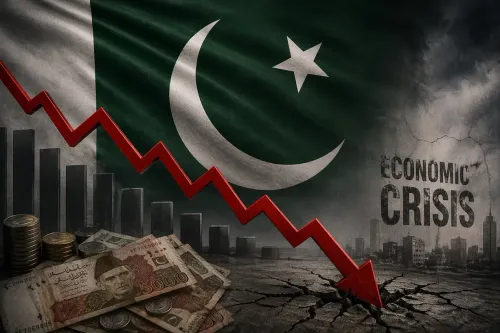
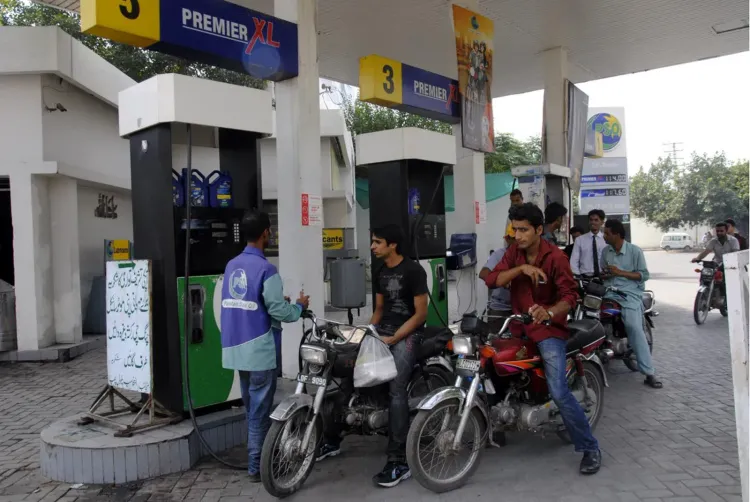
Pakistani petroleum dealers are shutting down petrol pumps nationwide from 15 August — Independence Day — demanding an 8% margin on sales. With 14,000 members backing the stir and a government deadline already expired, the shutdown could trigger fuel shortages across Pakistan at a politically sensitive moment.
Key Takeaways
Pakistan Petroleum Dealers Association announced a nationwide petrol pump closure from 15 August .
Dealers are demanding an 8% margin on petrol sales, backed by 14,000 members .
A 72-hour government ultimatum issued by the association has lapsed without resolution.
A prior shutdown on 22 July was postponed after Petroleum Minister Ali Pervaiz Malik promised action — that two-week window has now expired.
Pakistan shifted to daily fuel price revisions on 17 July , with rates set by OGRA based on international market trends.
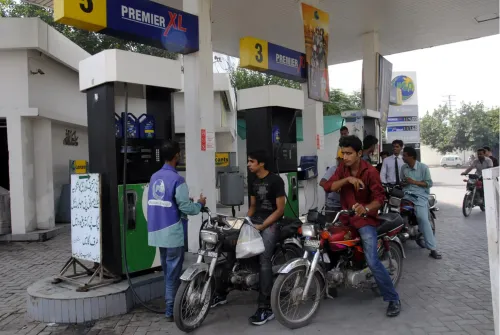
Petroleum dealers in Pakistan have announced a nationwide closure of petrol pumps beginning 15 August, warning they will sustain the shutdown until the government meets their demands. Pakistan Petroleum Dealers Association (PPDA) Chairman Malik Khuda Baksh made the announcement at a press conference on Tuesday, 11 August, citing unresolved margin grievances and mounting pressure from the association's 14,000 members.
Key Demands
The central demand is an eight per cent margin on petrol sales — a threshold dealers say is essential for operational viability. According to Malik Khuda Baksh, the association had already given the government a 72-hour ultimatum, warning that dealers cannot sustain operations under current terms. That deadline has since lapsed without a resolution.
Background: A Pattern of Postponements
This is not the first time Pakistani petroleum dealers have threatened a shutdown. On 22 July, the All Pakistan Petrol Pump Owners Association (APPPOA) postponed a planned closure by two weeks after Petroleum Minister Ali Pervaiz Malik assured dealers their concerns would be addressed. That two-week window has now expired, dealers say, without any concrete action from the government.
The APPPOA had also formally requested Pakistan's Ministry of Petroleum to review the policy under which fuel prices are revised on a daily basis — a mechanism introduced in July amid volatility in global oil markets.
The Daily Pricing Dispute
On 17 July, Petroleum Minister Ali Pervaiz Malik and Information Minister Atta Tarar announced that fuel prices would henceforth be revised daily, with rates published by the Oil and Gas Regulatory Authority (OGRA) on its website. The shift was attributed to renewed hostilities in West Asia and the resulting volatility in international crude markets. Prior to this, Pakistan had been revising fuel prices on a weekly basis since early March.
Dealers argue that daily price fluctuations make it impossible to plan margins and inventory, compounding existing financial stress. The move to daily pricing, they contend, has effectively eroded whatever thin margins they operated on.
What Happens Next
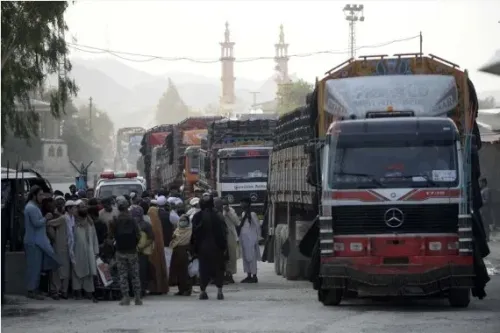
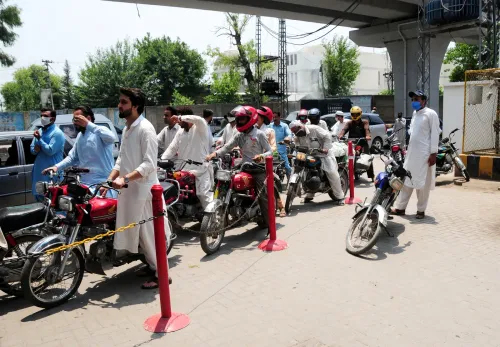
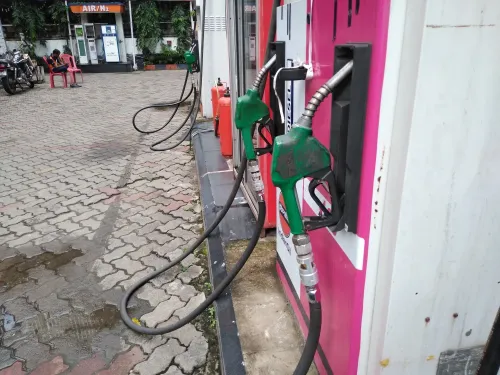
With the shutdown set to begin on 15 August — Pakistan's Independence Day — the timing carries symbolic weight and could amplify public pressure on the government. Fuel shortages, if the closure holds, would directly affect transport, logistics, and everyday commuters across major cities. The government has not issued a formal response to the latest ultimatum as of the time of reporting. Whether Islamabad moves to negotiate or allows the shutdown to proceed will likely determine how quickly the standoff is resolved.
Point of View
And the government's failure to act after its own July assurances has handed them the moral high ground. The shift to daily fuel pricing, framed as a market-responsive reform, has in practice destabilised dealer economics without any compensatory margin revision. If Islamabad does not move quickly, a fuel supply crunch on a national holiday could become a damaging symbol of policy drift — and a template for other trade associations watching how this standoff resolves.
NationPress
26 Sept 2026
Frequently Asked Questions
Why are Pakistan's petrol pump dealers going on strike from 15 August?
Pakistan's petroleum dealers are shutting petrol pumps from 15 August to press the government for an 8% margin on petrol sales. The association says its 14,000 members cannot sustain operations under current pricing terms, and a government deadline to resolve the issue has expired without action.
What is the Pakistan Petroleum Dealers Association demanding?
The Pakistan Petroleum Dealers Association is demanding an 8% margin on petrol. Dealers argue that the government's switch to daily fuel price revisions has made margins unpredictable and financially unviable.
Has this shutdown been attempted before?
Yes. The All Pakistan Petrol Pump Owners Association had planned a similar closure in July but postponed it for two weeks on 22 July after Petroleum Minister Ali Pervaiz Malik promised to address their concerns. That two-week window has now lapsed without a resolution.
What is OGRA's role in Pakistan's fuel pricing?
The Oil and Gas Regulatory Authority (OGRA) publishes daily fuel prices based on international market trends, following a policy announced on 17 July by the Petroleum and Information Ministers. Prior to this, prices were revised weekly since early March.
How could the petrol pump shutdown affect Pakistan?
A sustained closure could cause fuel shortages for transport, logistics, and everyday commuters across Pakistan. The shutdown beginning on 15 August — Independence Day — also carries political significance and could increase pressure on the government to negotiate quickly.