Islamabad markets ordered to shut by 8 pm amid Pakistan energy crisis
Synopsis
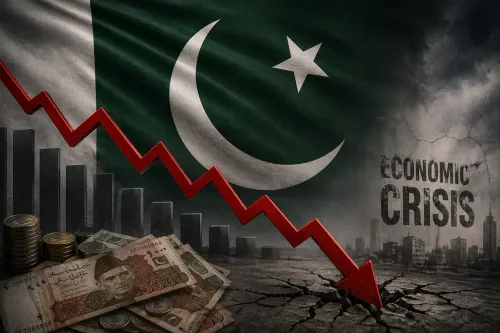
Pakistan has reimposed early market closure rules in Islamabad — shutting malls and markets by 8 pm — as fuel prices hit PKR 414.78 per litre and West Asia supply disruptions tighten the energy squeeze. With the Human Rights Council calling the price hike a 'direct assault' on ordinary citizens, the government faces a sharpening conflict between conservation targets and public hardship.
Key Takeaways
The Islamabad Capital Territory Administration ordered markets and malls to close by 8 pm effective 1 June .
Restaurants, grocery shops, bakeries, and wedding halls must shut by 10 pm ; essential services including pharmacies and petrol pumps are exempt.
The measure is linked to energy conservation amid supply constraints from the West Asia conflict and a sharp fuel price increase.
Pakistan recently raised petrol prices by PKR 14.92 per litre to PKR 414.78 and HSD by PKR 15 per litre to PKR 414.58 .
The Human Rights Council of Pakistan condemned the fuel hike as a 'direct assault' on poor, working-class, and middle-class families.
The Islamabad Capital Territory (ICT) Administration on 1 June reimposed early closure orders for commercial establishments across the capital, directing markets and shopping malls to shut by 8 pm as part of energy conservation measures linked to fuel price increases and supply constraints stemming from the conflict in West Asia, according to local media reports. The directive marks a fresh tightening of business hours as Pakistan grapples with mounting energy pressures.
What the New Orders Cover
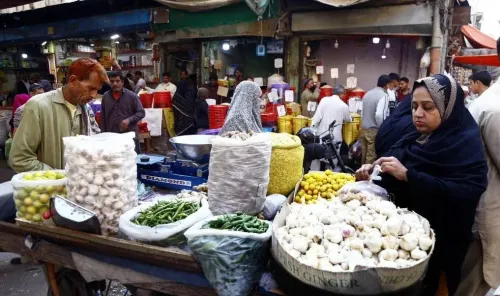
Under the orders that took effect on 1 June, all major markets and shopping centres in Islamabad are required to close by 8 pm. Restaurants, food outlets, grocery shops, bakeries, and fruit and vegetable stores have been given a slightly extended window, with a mandatory closure time of 10 pm. Wedding halls, lawns, and marquees are also required to shut by 10 pm.
Essential services remain exempt from the restrictions. Pharmacies, hospitals, medical stores, petrol pumps, and CNG stations will continue to operate on their normal schedules, according to reports citing Geo News.
Why the Government Acted
Officials cited the need to reduce energy consumption and streamline commercial activity during peak demand hours. The move follows a series of relaxations and adjustments to business hours over recent months as the government attempts to balance economic activity with energy-saving targets. This latest directive represents a reversal of some of those earlier concessions, reflecting the worsening supply situation.
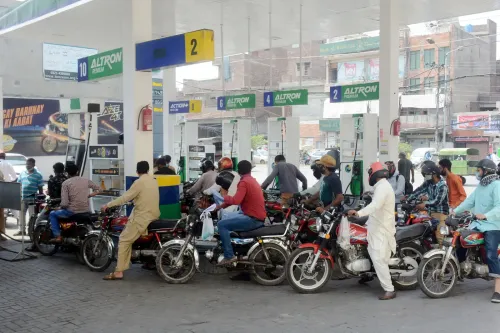
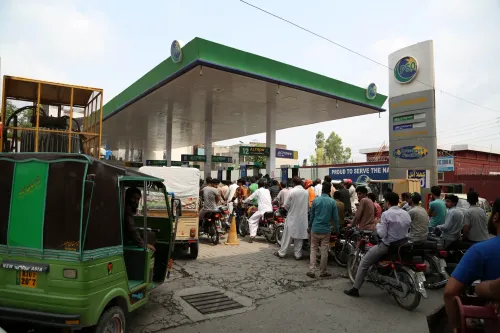
The broader context is a sharp escalation in fuel costs. The Pakistani government recently raised petrol prices by PKR 14.92 per litre and high-speed diesel (HSD) prices by PKR 15 per litre, bringing revised rates to PKR 414.78 per litre for petrol and PKR 414.58 per litre for HSD, according to the Petroleum Division's press release.
Rights Body Condemns Fuel Price Hike
Earlier in May, the Human Rights Council (HRC) of Pakistan strongly condemned the petroleum price increase, calling it a 'direct assault' on the public. The HRC warned that rising fuel costs cascade across the entire economy, driving up prices of flour, lentils, vegetables, milk, and medicines.
'This increase is not merely a change in numbers but a direct assault on the daily lives of millions of poor, working-class, and middle-class families. For the people already crushed under the burdens of inflation, unemployment, and low income, this decision is intolerable,' the HRC stated.
The body specifically flagged the impact on rickshaw drivers, daily wage labourers, transport workers, students, and the white-collar class, noting that the economic burden was compounding into 'severe mental stress, helplessness, and fear of the future.'
What the HRC Demanded
The rights body called on Pakistani authorities to immediately reverse the petroleum price hike and provide urgent relief by reducing what it described as unnecessary privileges enjoyed by the elite class. It also demanded an end to arbitrary increases in transport fares and essential commodity prices, urging the government to prioritise 'human compassion and public hardships' in its economic decisions.
'Human rights are not confined to speeches and resolutions. They are the fundamental right of every citizen to live a dignified and secure life,' the HRC noted.
With energy constraints showing no signs of easing, further adjustments to commercial hours in Islamabad and potentially other Pakistani cities cannot be ruled out in the weeks ahead.
Point of View
Then tightened again — reveal a government without a durable energy strategy, reacting to crises rather than managing them. The fuel price hike to over PKR 414 per litre, while fiscally motivated, has compounded the cost-of-living crisis for the very households that have the least capacity to absorb it. The HRC's condemnation is notable, but the harder question is structural: Pakistan's energy import dependence means every external shock — from West Asia or elsewhere — lands directly on domestic consumers. Early market closures are a blunt instrument that shifts the burden onto small traders and daily-wage workers while leaving larger systemic vulnerabilities unaddressed.
NationPress
24 Sept 2026
Frequently Asked Questions
What are the new market closure timings in Islamabad?
From 1 June, markets and shopping malls in Islamabad must close by 8 pm, while restaurants, grocery shops, bakeries, and wedding halls must shut by 10 pm. Essential services such as pharmacies, hospitals, petrol pumps, and CNG stations are exempt.
Why has Pakistan reimposed early market closure in Islamabad?
The Islamabad Capital Territory Administration cited energy conservation as the primary reason, with the measure linked to fuel supply constraints arising from the West Asia conflict and a recent sharp increase in petroleum prices. Officials said the aim is to reduce energy consumption during peak commercial hours.
How much have petrol prices increased in Pakistan?
The Pakistani government raised petrol prices by PKR 14.92 per litre and high-speed diesel by PKR 15 per litre, bringing revised rates to PKR 414.78 per litre for petrol and PKR 414.58 per litre for HSD, according to the Petroleum Division.
What did the Human Rights Council of Pakistan say about the fuel price hike?
The HRC of Pakistan called the increase a 'direct assault' on poor, working-class, and middle-class families, warning it would drive up prices of food, medicine, and transport. It demanded an immediate rollback of the hike and urged the government to prioritise public welfare over elite privileges.
Who is affected by the Islamabad market closure order?
All major commercial establishments in Islamabad are affected, including markets, malls, restaurants, bakeries, and wedding venues. The HRC specifically highlighted the impact on rickshaw drivers, daily wage labourers, transport workers, and students as among the most vulnerable groups.