Peshawar traders protest smart lockdown, demand fuel price cuts
Synopsis
Peshawar's business community has turned its frustration with Pakistan's smart lockdown into an open street protest — and the grievances go well beyond shop timings. With fuel prices hitting ordinary citizens hard enough to price them out of basic necessities, and transporters having raised fares five times in a single month, the Khyber-Pakhtunkhwa Traders' Organisation's warning of escalation carries real weight.
Key Takeaways
The Khyber-Pakhtunkhwa Traders' Organisation led a protest rally in Peshawar against the government's smart lockdown.
Traders demanded immediate rollback of the lockdown, lower petroleum prices, and anti-inflation measures.
Protesters argued the 8 pm shop-closure rule hurts summer trade without resolving the energy crisis.
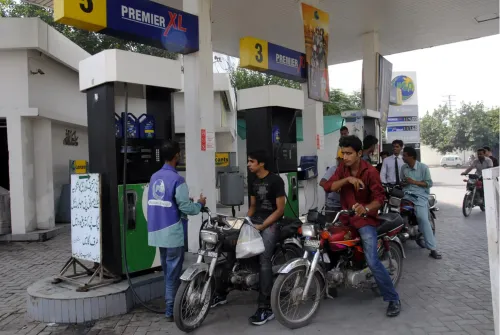
On 9 May , transporters in Peshawar and across Khyber Pakhtunkhwa also protested fuel price hikes at Hajji Camp Terminal .
Transport fares had been raised for the fifth time in a single month; non-AC bus fares rose by five per cent .
The traders' body warned of further escalation if the government does not meet their demands.
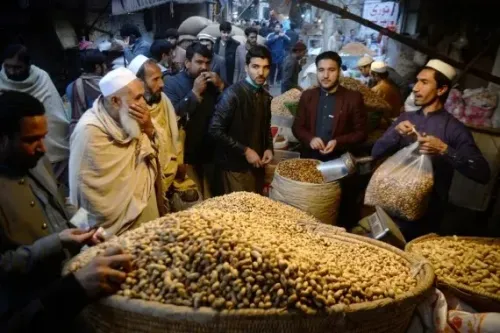
Traders and shopkeepers in Peshawar, Pakistan, took to the streets on Thursday against the government-imposed smart lockdown, demanding its immediate rollback alongside concrete measures to rein in soaring fuel prices and inflation. The protest, organised by the Khyber-Pakhtunkhwa Traders' Organisation, drew a large turnout of businessmen who warned of further escalation if their demands go unmet.
What the Protesters Said
Addressing the rally, a prominent leader of the traders' body delivered a sharp rebuke of the lockdown policy. 'The lockdown has neither benefited the government nor the traders. Shops are forced to shut down by 8 pm, but during the scorching summer, people begin their shopping only after evening. This decision has failed to resolve the energy crisis and offers no relief to the public on petroleum products,' the speaker said.
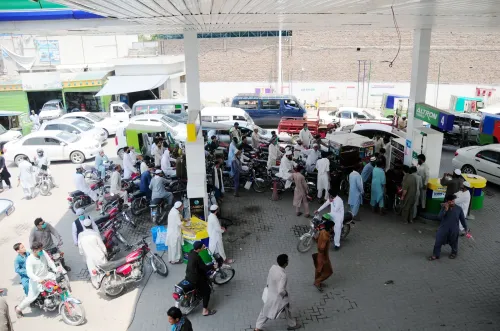
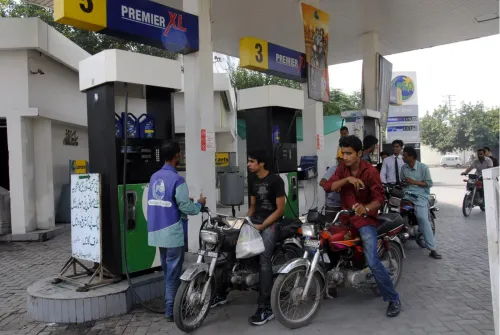
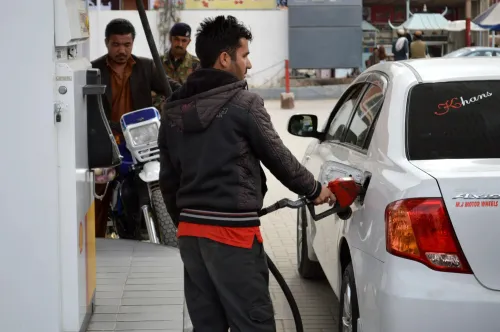
Protesters also voiced frustration over the relentless rise in petrol prices. 'Fuel prices have soared so high that an ordinary citizen can no longer afford basic necessities. The lockdown decision must be reversed immediately, and concrete steps must be taken to control inflation,' demonstrators said, according to reports.
Key Demands of the Business Community
The traders put forward three central demands: an immediate reversal of the smart lockdown, a reduction in petroleum product prices, and urgent government action to control inflation. The business community warned that failure to address these demands would lead to a further escalation of their protest movement.
Backdrop: Transporters Also Hit the Streets
This is not an isolated incident. On 9 May, transport operators in Peshawar and across Khyber Pakhtunkhwa province staged their own demonstrations at the Hajji Camp Terminal, protesting a hike in petroleum product prices. Transport leader Zubair Ahmed Qureshi told protesters that fuel prices were climbing while CNG supplies remained unavailable.
Notably, transporters had already raised fares for the fifth time within a single month following the latest fuel price adjustment. Fares for AC vehicles saw a steep increase, while non-AC bus fares rose by five per cent, according to reports. The compounding effect of fuel hikes on both commuters and the supply chain has deepened public frustration across the province.
Wider Economic Context
The protests reflect mounting economic stress in Pakistan, where successive fuel price revisions have pushed up the cost of basic commodities. The smart lockdown — designed to manage energy consumption — has instead become a flashpoint for broader economic grievances, with traders arguing it delivers no tangible benefit while inflicting direct losses on livelihoods. The situation in Peshawar mirrors similar discontent reported in other Pakistani cities grappling with inflation and energy shortfalls.
With the traders' organisation pledging to continue its struggle, the pressure on the provincial and federal governments to respond is set to intensify in the days ahead.
Point of View
It signals that the government's communication and compensation strategy has failed, not just its energy arithmetic. The five-fare-hike-in-a-month figure for transporters is the kind of statistic that turns economic discontent into political liability. Khyber Pakhtunkhwa's provincial leadership will need to move quickly, because the window for a managed resolution is narrowing.
NationPress
28 Sept 2026
Frequently Asked Questions
Why are traders protesting in Peshawar?
Traders in Peshawar are protesting against a government-imposed smart lockdown that forces shops to close by 8 pm, which they say cuts into peak summer shopping hours and damages business without resolving the energy crisis. They are also demanding lower petroleum prices and measures to control inflation.
Who organised the Peshawar trader protest?
The protest was organised by the Khyber-Pakhtunkhwa Traders' Organisation, which brought together a large number of shopkeepers and businessmen to rally against the lockdown and fuel price hikes.
What happened at the Hajji Camp Terminal protest on 9 May?
On 9 May, transport operators gathered at the Hajji Camp Terminal in Peshawar to protest rising petroleum prices and the unavailability of CNG. Transport leader Zubair Ahmed Qureshi addressed the rally, warning that fares had already been raised five times in a single month.
How much have transport fares increased in Khyber Pakhtunkhwa?
Fares for AC vehicles have seen a steep rise, while non-AC bus fares have increased by five per cent following the latest fuel price adjustment — the fifth such fare hike within a single month, according to reports.
What will happen if the government does not meet the traders' demands?
The Khyber-Pakhtunkhwa Traders' Organisation has warned of further escalation and pledged to continue its protest movement until the government rolls back the smart lockdown and takes concrete steps on fuel prices and inflation.