Will Pakistani Drama 'Case No 9' Expose the Weaponization of Blasphemy Accusations Against Religious Minorities?
Synopsis
A prime-time drama in Pakistan, 'Case No 9', bravely confronts the weaponization of blasphemy accusations against minorities, showcasing how these allegations are used as tools of oppression. This bold narrative unfolds through the story of Rohit, a Hindu character, revealing the grim realities faced by religious minorities in the country.
Key Takeaways
Highlighting the plight of religious minorities .
Addressing the misuse of blasphemy laws .
Exposing systemic oppression in Pakistan .
Encouraging dialogue on sensitive issues .
Demonstrating the power of media in social change .
Islamabad, Dec 12 (NationPress) A new prime-time drama in Pakistan - 'Case No 9' - has boldly addressed a taboo subject by shedding light on the weaponization of blasphemy accusations against religious minorities within the nation.
The series presents a subplot featuring a character named Rohit, who is a Hindu and serves as the business associate of a powerful entrepreneur named Kamran, accused of rape.
Rohit, as reported by Bitter Winter - an online publication focused on religious liberty and human rights - is part of a community that makes up only two percent of Pakistan's population, often regarded as second-class citizens.
The article states that in the landscape of Pakistani television, which is frequently dominated by melodramatic narratives and sanitized values, 'Case No. 9' stands out as an extraordinary piece, particularly with its gripping Episode 11, showcasing Seher's brave legal fight against her rapist Kamran, taking an even more audacious leap.
“It unveils a subplot so politically and socially sensitive that it is seldom portrayed on screen: the weaponization of blasphemy claims against religious minorities in Pakistan. Rohit, Kamran’s Hindu business partner, embodies integrity, fully aware of Kamran's guilt, yet chooses to shield him,” the Bitter Winter report explains.
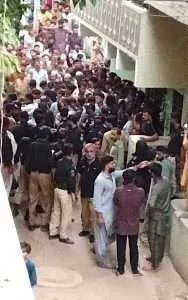
This haunting reality is revealed through a flashback where Rohit, as a university student, was falsely accused of blasphemy, with Kamran, a fellow student, rescuing him from an enraged mob.
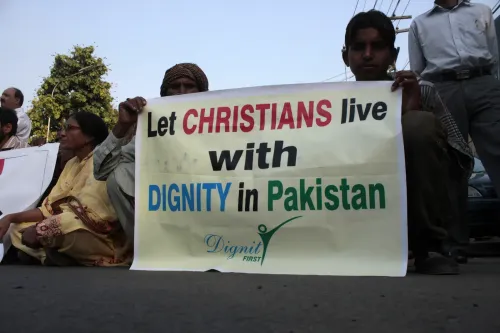
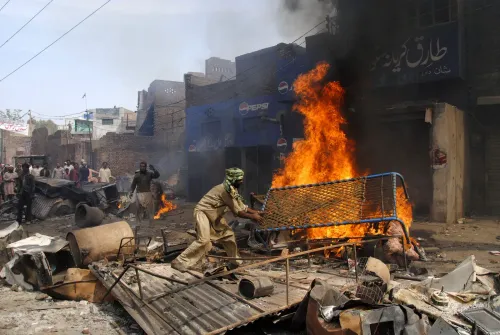
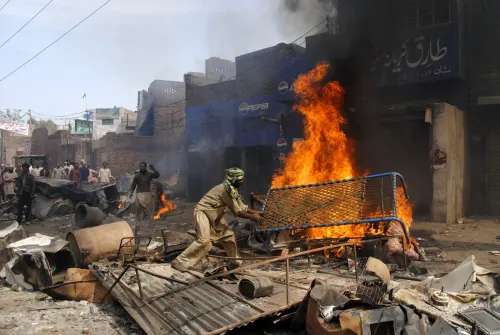
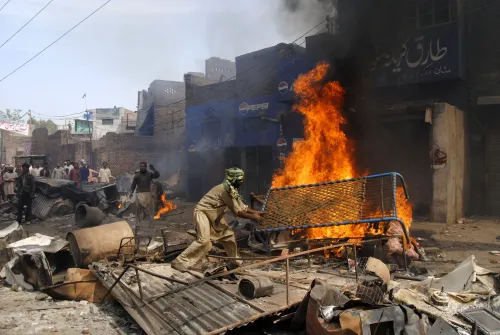
“In Pakistan, this narrative is not mere fiction—it's rooted in history. False blasphemy accusations have led to lynchings, wrongful imprisonments, and widespread fear within communities. The law, which imposes the death penalty for defaming the Prophet Muhammad or Islam, is often manipulated for personal vendettas against minorities. Human rights organizations report that numerous individuals have been extrajudicially killed after such allegations, with hundreds more confined in prison awaiting trial. By dramatizing this reality, 'Case No. 9' does something remarkable: it immerses the audience in the ethical complexities that such a system produces,” the report highlighted.
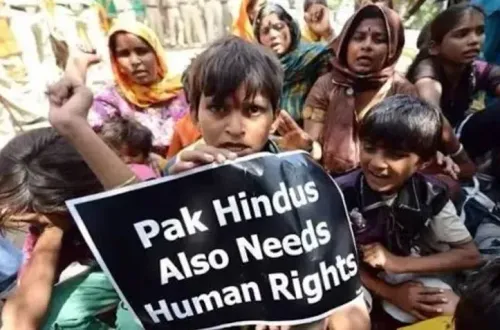
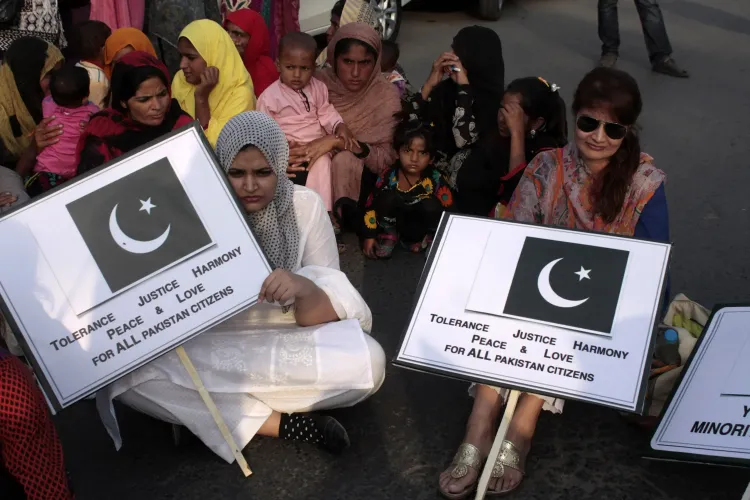
Pakistan is widely criticized for its deeply entrenched issues of bigotry, oppression, and systemic abuse of its minorities.
India has consistently pointed out Pakistan's institutionalized persecution of the Hindu, Christian, and Ahmadiyya minority communities with impunity in the guise of religion, an ongoing issue.
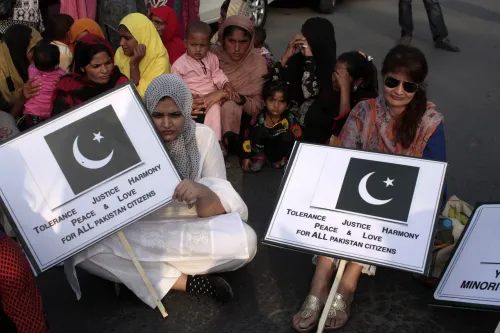
On December 2, the US Commission on International Religious Freedom (USCIRF) called on the Donald Trump Administration to collaborate with Pakistan in amending or revoking its blasphemy laws. They warned that this statute remains a principal cause of mob violence, wrongful imprisonments, and increasing threats against Christians, Ahmadiyya Muslims, and other religious minorities.
Beyond the legal repercussions of blasphemy charges, the USCIRF emphasized the significant social ramifications of a system where allegations are frequently utilized as weapons. They stated that Pakistani citizens have resorted to blasphemy accusations “to resolve personal disputes,” often resulting in “extrajudicial killings and mob violence disproportionately affecting religious minorities.”
The commission urged Washington to consider a binding agreement with Islamabad under the International Religious Freedom Act (IRFA) to promote specific corrective measures. These actions should include the release of individuals imprisoned under blasphemy laws, curtailing abuses linked to vigilante groups, and ultimately repealing the nation’s blasphemy statutes.
Point of View
Our stance remains firmly aligned with the nation's progress towards equality and justice. 'Case No 9' is a courageous attempt to bring forth the struggles of religious minorities, and it is imperative for the media to highlight these issues for the betterment of society.
NationPress
30 Sept 2026
Frequently Asked Questions
What is 'Case No 9' about?
It is a prime-time drama in Pakistan addressing the weaponization of blasphemy accusations against religious minorities.
How does the show depict religious minorities?
The show features a Hindu character, Rohit, who represents the struggles faced by minorities in Pakistan.
What are the implications of blasphemy laws in Pakistan?
Blasphemy laws have led to violence, wrongful imprisonment, and have been misused to target minority groups.
Who is Rohit in the show?
Rohit is a Hindu business partner of the accused rapist, showcasing the moral dilemmas faced by religious minorities.
Why is this show significant?
It brings attention to a crucial social issue that often goes unaddressed in mainstream media.