Is Pakistan Cornered Between the Devil and the Deep Sea Amid Iran Turmoil?

Synopsis
With escalating tensions in Iran and the looming threat of US intervention, Pakistan finds itself in a precarious position. This article explores the implications for Pakistan's security and diplomatic relations, highlighting the complex balance Islamabad must maintain amid regional unrest.
Key Takeaways
Pakistan is experiencing significant anxiety over Iran's instability.
The US's threats pose a potential risk of conflict, affecting regional dynamics.
Pakistan's military is stretched thin, complicating its response to multiple threats.
Public sentiment is a critical factor in Pakistan's strategic decisions.
Diplomatic efforts with regional allies are ongoing to mitigate potential fallout.
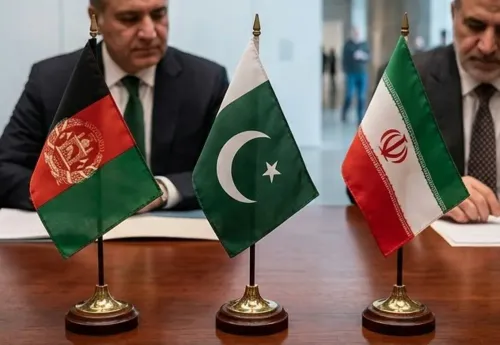
New Delhi, Jan 15 (NationPress) A wave of anxiety has engulfed Pakistan as the situation in Iran rapidly escalates. The ongoing protests in Iran, coupled with threats of regime change by US President Donald Trump, have plunged the Pakistani administration into turmoil.
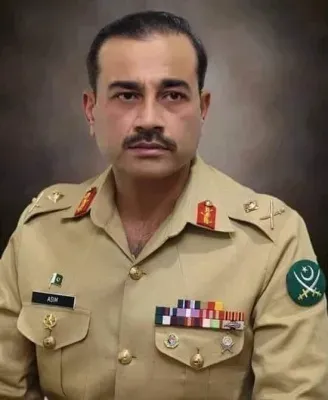
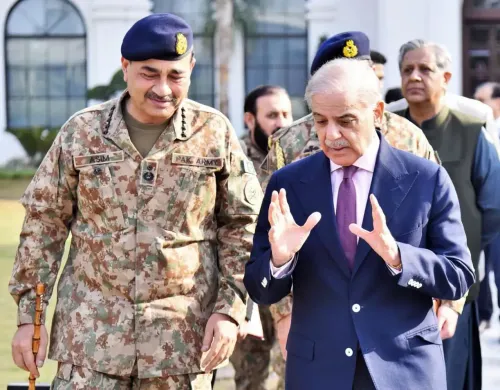
Multiple emergency meetings are underway, involving key figures such as army chief Field Marshal Asim Munir, ISI chief, and National Security Adviser General Asim Malik, alongside Southern Commander Lt General Rahat Naseem. Should a confrontation arise between the US and Iran, it would intensify tensions at the Pakistan-Iran border, already strained due to existing conflicts with the Taliban over the Durand Line.
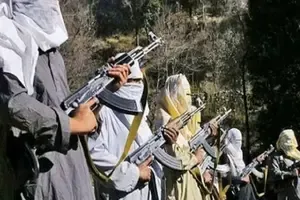
Officials warn that Pakistan cannot bear any more border stress at this juncture, especially with most of its forces engaged on the India-Pakistan border. The country is currently battling the Tehreek-e-Taliban Pakistan (TTP) and the Balochistan Nationalist Army (BLA).
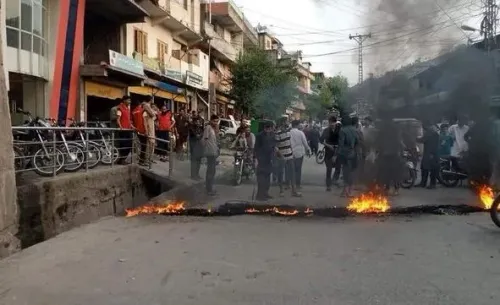
Moreover, issues are arising in Pakistan-occupied Kashmir (PoK). With a shortage of manpower and challenges at every border, Pakistan is reportedly enlisting terror groups like the Islamic State Khorasan Province (ISKP) and Lashkar-e-Tayba to aid in its fight against the TTP and BLA.
Initially, Pakistan believed the US threats towards Iran were mere bluster. It has now become apparent that these threats are serious, raising the specter of conflict between the US and Iran. While border volatility is a pressing concern, there are also questions regarding what the US might demand from Pakistan.
Sources indicate that in the event of a conflict, the US could request military bases in Pakistan for operations against Iran. There is also a possibility that Pakistan's airspace may be utilized. This predicament places Pakistan in a difficult position, as its previous overtures to the US, following Trump's ascension, now seem precarious.
High-level meetings in Pakistan are focused on strategizing responses, while the prospect of granting the US military access against Iran would tarnish Pakistan's image in the region. With many citizens already frustrated over the fight against the Taliban, any indirect support against Iran could further inflame public sentiment and raise questions about Pakistan's role against fellow Muslim nations.
An Intelligence Bureau official expressed that internal unrest is a significant concern if conflict breaks out in Iran. The public may demand a stance against the US, while the government may feel compelled to maintain its newfound ties with the US.
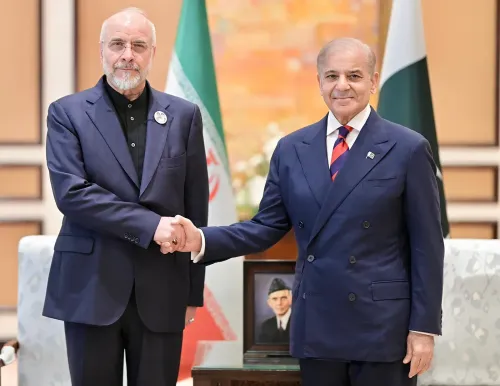
In the event of conflict, an influx of refugees into Pakistan could exacerbate the crisis amidst internal strife. Currently, Pakistan is on high alert, having opened diplomatic channels with Saudi Arabia and Turkey to express concerns over potential conflict in Iran.
Experts observe that Pakistan finds itself in a devil and deep sea scenario. On one side, it risks alienating its citizens, Iran, and Turkey, while on the other, it is ill-equipped to dismiss US demands for military bases and airspace.
Point of View
It is crucial to recognize Pakistan's delicate balance in maintaining its sovereignty while navigating international pressures. The nation's priority must always be its citizens' safety and stability, fostering diplomatic relations without compromising its integrity.
NationPress
3 Oct 2026
Frequently Asked Questions
What is the current situation in Iran?
The situation in Iran is marked by ongoing protests and threats of regime change from the US, creating regional instability.
How is Pakistan responding to the developments in Iran?
Pakistan is conducting emergency meetings involving military and security officials to strategize its response amid heightened tensions.
What are the potential implications for Pakistan?
A conflict between the US and Iran could lead to increased border tensions, internal unrest, and demands for military cooperation from the US.
What challenges does Pakistan face at its borders?
Pakistan is already engaged in conflicts with the Taliban and the BLA, lacking sufficient manpower to manage additional border stresses.
How might public sentiment affect Pakistan's decisions?
Public sentiment is crucial; any perceived alignment with US actions against Iran could exacerbate internal discontent and unrest.