Is Lashkar-e-Taiba Facing an Internal Uprising in Pakistan?
Synopsis
Is the Lashkar-e-Taiba on the verge of a split? Recent intelligence reports suggest escalating tensions within this key Pakistani proxy group, which could lead to unprecedented chaos in the region. Discover the factors fueling this internal conflict and what it means for Pakistan's stability and security.
Key Takeaways
The Lashkar-e-Taiba is facing significant internal dissent.
Concerns over alignment with ISI and Pakistan Army are growing.
Recent events indicate a potential split within the organization.
This internal conflict could destabilize Pakistan further.
Collaborations with ISKP are viewed unfavorably among operatives.
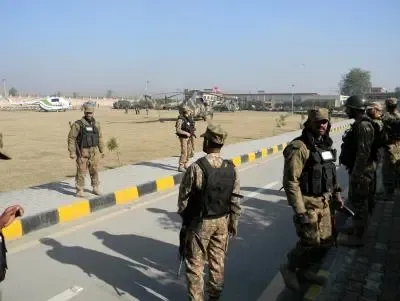
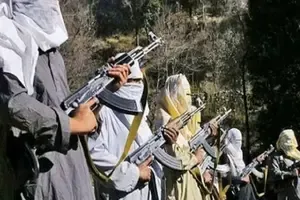
New Delhi, Jan 13 (NationPress) The Lashkar-e-Taiba appears to be on the brink of a significant division, raising concerns about escalating turmoil in Pakistan, according to findings from Indian Intelligence agencies. Historically, the Lashkar has served as Pakistan's preferred proxy, and this marks the first instance of dissent within its ranks.
Traditionally, the group has adhered to the directives of the ISI without deviation. An official from the Intelligence Bureau revealed that tensions have begun to surface, with several high-ranking leaders expressing dissatisfaction regarding specific decisions made in recent months.
The turning point came with Operation Sindoor, during which the organization suffered considerable loss of infrastructure. Following this, regrouping efforts faced challenges, leading many within the outfit to lose trust in the ISI and the Pakistan Army, feeling inadequately protected.
Although the ISI has attempted to resolve these differences and initiate regrouping, the strategy to engage the Lashkar-e-Taiba against the Taliban, Tehreek-e-Taliban Pakistan (TTP), and the Balochistan Nationalist Army (BLA) has not resonated well with a significant portion of its operatives.
Officials noted that members perceive the establishment as overly accommodating to both Chinese and Western interests. Both nations have vested interests in the rare earth elements found in Balochistan. The TTP and BLA are fiercely resisting the Pakistan Army in Balochistan and Khyber Pakhtunkhwa (KP). In response to these challenges, the army has opted to collaborate with the Islamic State Khorasan Province (ISKP), aligning it with the Lashkar-e-Taiba to counter the TTP and BLA.
The leadership within the Lashkar has started questioning the rationale behind fighting their own people to safeguard Chinese and Western interests. Furthermore, they find it unnatural to ally with the ISKP, given that they are viewed as adversaries of the Afghan Taliban.
Historically supportive of the Taliban, the Lashkar-e-Taiba is now incensed by the Pakistan Army's confrontations with the group in Afghanistan, further aggravating the leadership's frustrations, officials say.
Observers of Pakistan's political landscape assert that this discontent is becoming increasingly evident. Once a discreet matter, it is now openly discussed, with concerns that the establishment is placing excessive demands on the organization.
The leadership struggles to justify to its members the necessity of combating their compatriots, with many feeling that their focus should solely be on opposing India and Western forces.
Recently, a video featuring Lashkar-e-Taiba commander Mohammad Ashfaq Rana became viral, wherein he criticizes the establishment. He claims they have been exploited by Prime Minister Shehbaz Sharif and Army Chief Field Marshal Asim Munir.
In the video, Rana asserts that the establishment has, on one hand, failed to ensure their safety, while on the other, has led the nation to ruin. He discusses the nation’s crippling debt and emphasizes that had even half of the borrowed funds been utilized appropriately, the country could have thrived.
Officials indicate that these recent occurrences signal a substantial rift between certain members of the organization and the establishment.
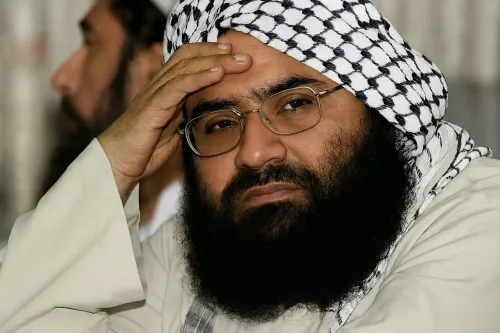
Moreover, the infrequent public appearances of Hafiz Saeed suggest that internal strife is brewing. A continued open rebellion from the Lashkar-e-Taiba against the establishment could lead to dangerous consequences.
The organization boasts highly loyal members, and instances of rebellion in the past are almost non-existent. Should any of these members defect to groups like the TTP, it would spell disaster for the Pakistan establishment.
If violence escalates in Pakistan and terrorist factions begin to operate independently, it poses a severe security threat to the region. An official noted that if turmoil unfolds within the Lashkar-e-Taiba, it may not be long before similar developments occur within Jaish-e-Mohammad as well.
Point of View
The situation surrounding the Lashkar-e-Taiba illustrates the complexities of Pakistan's security landscape. While the establishment has historically relied on this group, the current dissent highlights a critical juncture. It is essential for the nation to navigate these turbulent waters carefully, ensuring that internal conflicts do not jeopardize national stability.
NationPress
30 Sept 2026
Frequently Asked Questions
What has led to the internal conflict within Lashkar-e-Taiba?
The internal conflict appears to stem from dissatisfaction among leaders regarding recent decisions made by the group, particularly its engagements against the Taliban and other factions.
How might this conflict affect Pakistan's security?
If the Lashkar-e-Taiba continues to fracture, it could lead to increased violence and instability, posing significant risks to regional security.
Who is Mohammad Ashfaq Rana?
Mohammad Ashfaq Rana is a commander within the Lashkar-e-Taiba who has recently criticized the establishment in a viral video, raising concerns about the organization's direction.
What role does the ISI play in this conflict?
The ISI has historically directed the Lashkar-e-Taiba; however, recent decisions to engage against the Taliban have caused rifts within the organization.
What could be the consequences of this internal revolt?
Consequences could include a shift in alliances within militant groups and increased violence, posing a serious threat to Pakistan's national security.