Is Pakistan's Illegal Gun Culture a Result of Years of Conflict and Lenient Governance?
Synopsis
A recent report reveals the alarming connection between Pakistan's illicit gun culture and decades of instability, conflict, and weak governance. This in-depth analysis explores the complex interplay between organized crime, cultural traditions, and state policies that have contributed to the flourishing underground arms market.
Key Takeaways
Pakistan's gun culture stems from years of conflict and governance issues.
Arms trafficking is linked to organized crime and cultural norms.
Social media facilitates the illegal arms trade.
Millions of firearms remain unregistered in the country.
The Afghan conflict has worsened the arms situation in Pakistan.
Islamabad, Feb 4 (NationPress) The illicit gun culture in Pakistan is not merely coincidental; it stems from a long history of instability and is the result of decades of conflict, lenient governance, and a deeply rooted societal association with firearms, according to a report.
Fatima Chaudhary, a lecturer at a private university in Punjab, stated, "The current landscape of arms trafficking and illegal gun ownership in the country is situated at the crossroads of geopolitics, criminal activity, and cultural customs. This environment of state fragility and societal norms mutually reinforce one another, enabling the proliferation of small arms and light weapons."
She further elaborated, "The last twenty years marked by militancy, suicide attacks, and assaults on security personnel have fostered a conducive environment for organized crime. The state's focus and resources were predominantly directed towards counterterrorism, allowing criminal markets to expand covertly. The rise of heroin trafficking coincided with an escalating domestic addiction crisis, with weapons being transported along the same routes and networks."
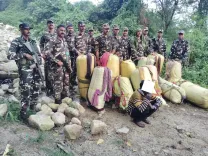
In 2023, Interpol’s Operation Trigger Salvo II highlighted the magnitude of this underground economy, resulting in the seizure of hundreds of firearms, components, and ammunition in Pakistan, particularly in border regions with Afghanistan. These seizures only represent a small fraction of the weapons circulating in the area.
The withdrawal of US forces from Afghanistan in 2021 exacerbated the issue. The Taliban's acquisition of considerable quantities of US-supplied military equipment, left behind by retreating forces, further complicated the situation. Pakistan has also obtained these arms through smuggling and established tribal networks. Although gun ownership in Pakistan requires licenses, millions of rounds of ammunition remain unregistered, with illegal firearms readily available in markets, workshops, and online.
According to the Small Arms Survey, Pakistan ranks among the top 25 nations in civilian gun ownership, with an estimated 22 firearms for every 100 civilians. However, unlike in the United States, where gun ownership is highly commercialized, Pakistan's arms economy is predominantly illicit.
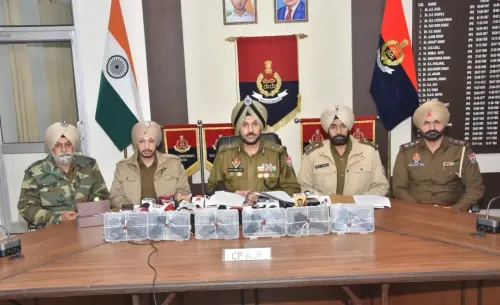
Chaudhary noted, "Small arms are integral to the operations of criminal organizations, militant groups, and urban gangs. The arrest of a serving policeman in Khyber Pakhtunkhwa in April 2024 for smuggling small arms into Karachi underscores the depth of these networks. Buyers place orders through social media, local dealers manage the supply, and couriers like the arrested officer transport the weapons across provincial boundaries. Demand remains high, while risks are minimal."
In many regions of Pakistan, particularly Khyber Pakhtunkhwa, carrying arms is not only accepted but is woven into the cultural identity. Craftsmen in places like Darra Adamkhel have created handmade replicas of MP5 submachine guns, M16s, and AK-47s. Many choose these affordable 'Khyber Pass' firearms, often sold at a third of the price of their legitimate counterparts.
In addition to these informal workshops, modern commercial firearm producers in and around Peshawar utilize industrial equipment. Government policies have contributed to the crisis, as civilians and private militias have gained arms ownership through the distribution of gun licenses, often used as political favors. Moreover, online platforms, particularly social media, have emerged as marketplaces for unlicensed weapons.
The report from the Afghan Diaspora Network stated, "Pakistan’s role as a transit point for drug trafficking intertwines narcotics and arms smuggling. Shared routes, financiers, and transport networks enable the simultaneous movement of arms and drugs. The Organized Crime Index indicates that between 2021 and 2023, Pakistan’s arms trafficking market deteriorated, scoring 8.5 out of 10, placing it among nations with entrenched criminal economies."
Point of View
It is crucial for us to recognize the complexities surrounding Pakistan's illicit arms culture. While the report highlights the serious implications of governance and conflict on society, our focus must remain on fostering a collaborative approach to address these challenges and work towards a safer future for all citizens.
NationPress
20 Sept 2026
Frequently Asked Questions
What factors contribute to Pakistan's gun culture?
Pakistan's gun culture is influenced by decades of conflict, permissive governance, and deep-seated social relationships with firearms.
How does arms trafficking affect Pakistan?
Arms trafficking fosters organized crime, supports militant groups, and threatens public safety, leading to instability.
What role does social media play in illegal arms trade?
Social media facilitates communication between buyers and sellers, allowing for the discreet ordering and transport of illegal firearms.
Why are many firearms unregistered in Pakistan?
Despite licensing requirements, millions of rounds of ammunition remain unregistered, and illegal firearms are widely available.
What is the impact of the Afghan conflict on Pakistan's arms situation?
The US withdrawal from Afghanistan allowed the Taliban to acquire US-supplied weapons, exacerbating the illegal arms situation in Pakistan.