Plastic waste threatens Tungnath-Chopta trek, Uttarakhand experts urge action
Synopsis
One of Uttarakhand's most sacred Himalayan trekking corridors is choking on plastic waste — and a Padma Shri environmentalist says blanket bans won't fix it. The real solution, according to HESCO founder Anil Prakash Joshi, lies in building local alternatives and changing tourist mindsets before the fragile Kedar Valley ecosystem reaches a tipping point.
Key Takeaways
The Tungnath-Chopta trekking route in Uttarakhand is increasingly littered with plastic bottles, food wrappers, and single-use packaging.
Anil Prakash Joshi , Padma Shri awardee and founder of HESCO , warns that plastic bans without viable alternatives will create practical challenges.
Joshi cited Sikkim as a model — the state implemented a successful plastic ban only after thorough preparation and development of alternatives.
Approximately 70 per cent of food products are packaged in plastic for on-the-go consumption, making abrupt bans difficult to enforce.
Experts advocate integrating local agriculture and horticulture with tourism to reduce plastic dependence and boost hill-region employment.
Environmentalists stress the need for a mindset shift among tourists, not just regulatory action, to protect the Kedar Valley ecosystem.
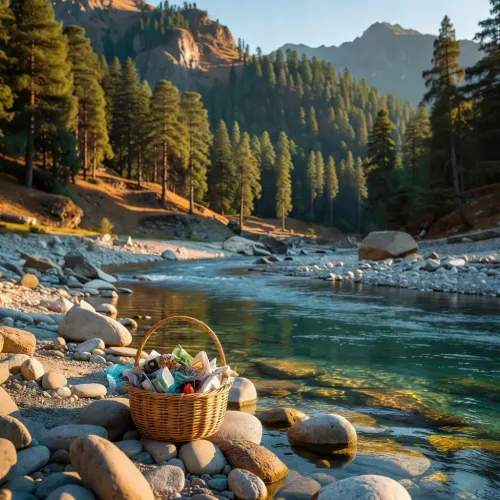
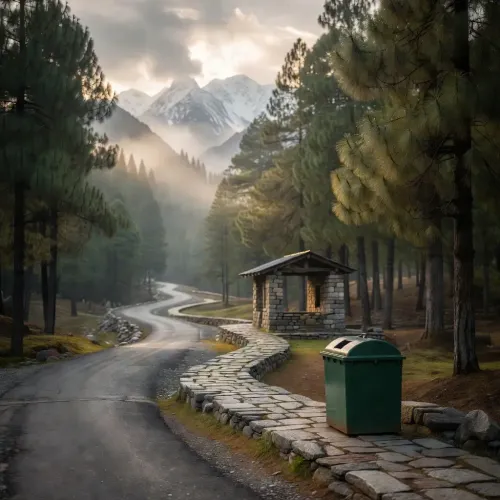
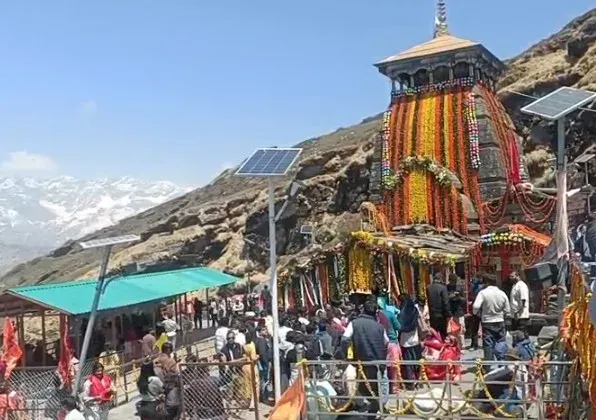
The Tungnath-Chopta corridor in Uttarakhand's Garhwal Himalayas — home to the revered Tungnath Temple, the third Kedar — is facing a mounting plastic waste crisis, with environmentalists warning of irreversible damage to the fragile Himalayan ecosystem if corrective steps are not taken urgently. Thousands of devotees, trekkers, and nature enthusiasts visit the region annually, but their footprint is increasingly visible in the form of discarded plastic bottles, food wrappers, and packaging strewn along the trekking route.
Scale of the Problem
The Tungnath-Chopta trekking trail is now visibly littered with single-use plastic waste. Locals and environmental groups note that despite a steady rise in tourist and pilgrim footfall, awareness about responsible waste disposal remains critically low. The accumulation of garbage against a backdrop of lush mountain greenery is being treated as a serious ecological warning sign by conservation experts.
What Experts Are Saying
Anil Prakash Joshi, Padma Shri awardee, noted environmentalist, and founder of the Himalayan Environmental Studies and Conservation Organisation (HESCO), cautioned that outright bans alone cannot resolve the crisis. Citing the example of Sikkim, Joshi noted that the state succeeded in implementing a plastic ban only after extensive groundwork and the development of viable alternatives.
'Today, approximately 70 per cent of food products are designed for on-the-go consumption and rely entirely on plastic packaging. Consequently, if a ban is imposed without first developing viable alternatives, numerous practical challenges are bound to arise,' Joshi said.
Local Economy as Part of the Solution
Joshi argued that reducing plastic dependence requires integrating local agriculture and horticulture with the tourism sector. He pointed to the established reputation of mountain-grown potatoes from the hill regions, suggesting that locally manufactured food products — such as chips and packaged snacks — could replace imported plastic-heavy goods while simultaneously generating employment.
'By integrating agriculture and horticulture with the tourism sector, both local employment opportunities can be boosted, and the usage of plastic can be curtailed,' he said.
The Mindset Gap
Beyond policy, Joshi stressed that regulations without a corresponding shift in tourist behaviour would fall short. 'Simply formulating regulations will not suffice; rather, it is imperative to cultivate a sense of understanding and sensitivity towards nature among travellers and tourists. Tourists visit this place, offer their prayers, and depart; however, truly experiencing the essence of nature — and, crucially, safeguarding it — is a responsibility of equal importance,' he said.
He called for a new conservation mindset to take root in the Kedar Valley itself, so that the spiritual and natural heritage of the Tungnath-Chopta region remains intact for future generations.
What Needs to Happen Next
Environmental experts are urging the Uttarakhand government and tourism authorities to develop a comprehensive waste management framework for the region — one that combines enforceable regulations, locally sourced alternatives to plastic, and sustained awareness campaigns targeting pilgrims and trekkers. Without coordinated action, the ecological damage to one of India's most sacred Himalayan corridors could become irreversible.
Point of View
But waste infrastructure and tourist accountability have not kept pace. Joshi's Sikkim comparison is instructive — successful plastic bans require months of supply-chain preparation, not just a gazette notification. The deeper problem is that sacred landscapes attract both reverence and recklessness, often from the same visitor. Until Uttarakhand ties tourism permits to verifiable waste compliance — as some Himalayan nations have done — the regulatory conversation will remain largely symbolic.
NationPress
10 Oct 2026
Frequently Asked Questions
What is the plastic waste problem at Tungnath-Chopta?
The Tungnath-Chopta trekking corridor in Uttarakhand's Garhwal Himalayas is increasingly littered with discarded plastic bottles, food packets, and wrappers left behind by tourists and pilgrims. Environmentalists warn the accumulation poses a serious long-term threat to the fragile Himalayan ecosystem.
Who is Anil Prakash Joshi and what has he said about this issue?
Anil Prakash Joshi is a Padma Shri awardee and founder of the Himalayan Environmental Studies and Conservation Organisation (HESCO). He has cautioned that imposing plastic bans without first developing local alternatives will be ineffective, pointing to Sikkim's model of thorough preparation before enforcement.
Why can't a simple plastic ban solve the problem?
According to Joshi, approximately 70 per cent of food products rely on plastic packaging for on-the-go consumption. A ban without viable substitute products and supply chains already in place would create significant practical difficulties for vendors, tourists, and local communities.
What solution has been proposed for reducing plastic use in the region?
Experts recommend integrating local agriculture and horticulture with the tourism sector — for instance, manufacturing food products such as chips from locally grown mountain potatoes. This approach would simultaneously reduce plastic imports and create employment in hill communities.
What role do tourists play in the Tungnath-Chopta pollution crisis?
Environmentalists argue that regulatory measures alone are insufficient without a corresponding shift in tourist behaviour. Joshi has called for cultivating environmental sensitivity among visitors, noting that the responsibility to protect nature is as important as the act of pilgrimage or trekking itself.