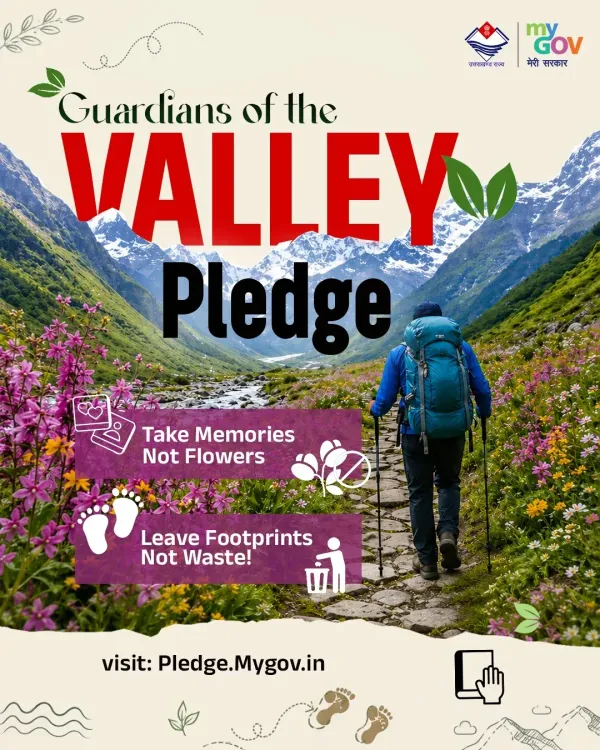
CM Dhami urges citizens to join Guardians of the Valley Pledge
Synopsis
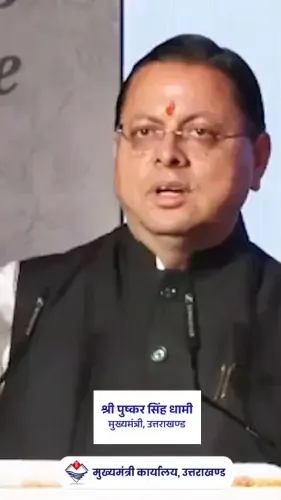
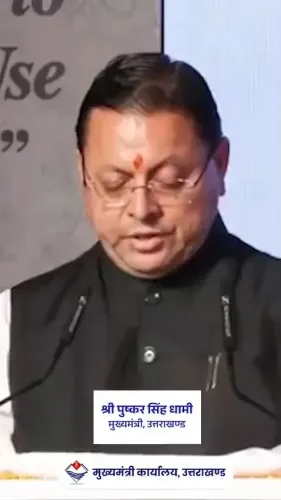
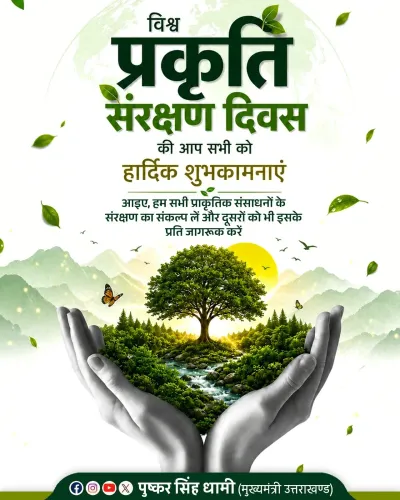
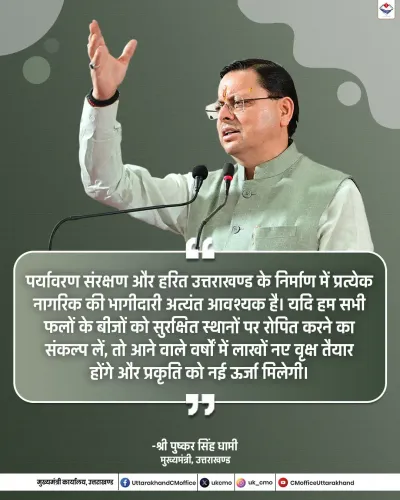
Uttarakhand Chief Minister Pushkar Singh Dhami on 17 June 2026 called on citizens and tourists to join the 'Guardians of the Valley Pledge' via Pledge.Mygov.in, framing Himalayan ecology protection as a collective public responsibility and urging environmentally responsible behaviour across the state.
Key Takeaways
CM Pushkar Singh Dhami on 17 June 2026 publicly promoted the Guardians of the Valley Pledge for Himalayan conservation.
Citizens and tourists can register the pledge at Pledge.Mygov.in , the Government of India's citizen engagement platform.
Dhami described protection of Uttarakhand's natural heritage — including Himalayan ecology and biodiversity — as a collective responsibility .
The initiative aligns with Uttarakhand's State Action Plan on Climate Change (2014) and the national Himalayan Ecosystem Mission .
The state's conservation legacy includes the Chipko movement of the 1970s , a globally cited model of community-based forest protection.
Practical impact will depend on whether pledge registrations translate into regulatory changes for tourism and waste management in sensitive zones.
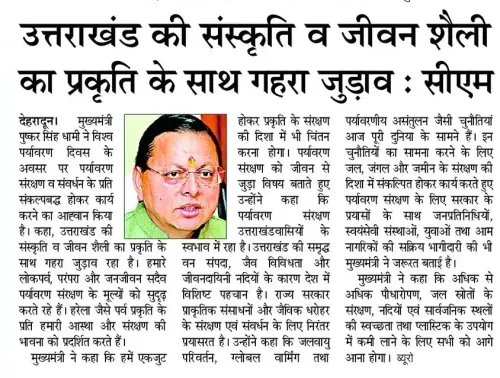
Uttarakhand Chief Minister Pushkar Singh Dhami on Wednesday, 17 June 2026, called on residents and tourists alike to join the 'Guardians of the Valley Pledge', a citizen-led conservation initiative aimed at protecting the Himalayan ecosystem, biodiversity, and the scenic landscapes of Uttarakhand. Dhami shared the appeal on X, directing the public to register their commitment at Pledge.Mygov.in.
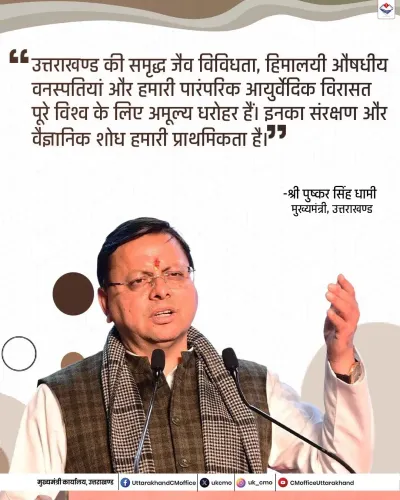
Posting in Hindi, the Chief Minister wrote: 'Uttarakhand ki anupam prakritik dharohar, Himalayee paristhitiki, jaiv vividhata tatha suramya vadiyan hamari amulya virasat hain' — ('Uttarakhand's unique natural heritage, Himalayan ecology, biodiversity, and scenic valleys are our priceless legacy'). He described the protection of these natural assets as a 'collective responsibility' of every citizen and visitor, urging them to adopt environmentally sensitive and accountable behaviour.
Context
Uttarakhand, carved out of Uttar Pradesh in 2000, is among India's most ecologically significant Himalayan states. It hosts major glaciers, biodiversity hotspots, and pilgrimage corridors that draw millions of tourists annually. The state has repeatedly faced the tension between accommodating tourism-driven economic growth and preserving fragile mountain ecosystems.
The Guardians of the Valley Pledge is a citizen commitment initiative promoted by the Uttarakhand government to mobilise public participation in Himalayan ecology protection. Dhami's post directs users to the MyGov platform — the Government of India's citizen engagement portal, launched in 2014 — where individuals can formally register their pledge.
Policy Backdrop
Uttarakhand adopted its State Action Plan on Climate Change in 2014, acknowledging the acute vulnerability of Himalayan ecosystems to climate shifts. The state's conservation history stretches back to the Chipko movement of the 1970s, when local communities — particularly women — physically embraced trees to prevent felling, establishing a globally recognised model of community-based forest protection.
At the national level, the National Mission for Sustaining the Himalayan Ecosystem — one of eight missions under India's National Action Plan on Climate Change — provides a policy framework within which state-level initiatives like this pledge operate. Digital platforms such as MyGov have increasingly become the delivery mechanism for such participatory conservation drives across Indian states.
Stakeholders and Impact
The pledge targets a broad constituency: Uttarakhand's permanent residents, the forest-dependent communities whose livelihoods are tied to ecological health, and the large volume of domestic and foreign tourists who visit the state's pilgrimage sites, hill stations, and national parks each year. Dhami's framing of conservation as a 'jan abhiyan' — a people's movement — signals an intent to build grassroots ownership rather than rely solely on regulatory enforcement.
The 2013 Kedarnath disaster, one of India's worst flash-flood tragedies, remains a reference point in Uttarakhand's policy discourse on ecological risk. More recent warnings about glacial lake outburst floods have intensified calls for both infrastructure resilience and behavioural change among visitors to high-altitude zones.
What's Next
The tangible measure of this initiative's reach will be the registration numbers logged on Pledge.Mygov.in. Analysts and civil society groups are likely to watch whether the pledge translates into concrete regulatory action — such as updated waste-management rules for tourist zones or stricter carrying-capacity norms for ecologically sensitive areas. CM Dhami's framing of small, positive individual actions as collectively decisive suggests the government may follow up with awareness campaigns tied to the tourist season. Whether a public pledge platform evolves into enforceable policy will determine its long-term impact on Uttarakhand's Himalayan conservation goals.
Point of View
The state government simultaneously aligns itself with national digital-governance branding and shares the logistical burden of mobilisation. The deeper policy question is whether a voluntary pledge mechanism can meaningfully shift behaviour in a state where tourism pressure on fragile Himalayan terrain has historically outpaced regulatory capacity. If registration numbers remain the primary metric of success, the initiative risks becoming symbolic rather than structural.
NationPress
18 Sept 2026
Frequently Asked Questions
What is the Guardians of the Valley Pledge?
The Guardians of the Valley Pledge is a citizen commitment initiative promoted by the Uttarakhand government to encourage environmentally responsible behaviour for protecting the state's Himalayan ecology and biodiversity. Citizens and tourists can register their pledge at Pledge.Mygov.in.
How can I register for the Guardians of the Valley Pledge?
You can register your pledge at the official MyGov platform by visiting Pledge.Mygov.in. The portal is run by the Government of India and allows citizens to formally commit to conservation actions.
Why is CM Dhami promoting environmental conservation in Uttarakhand?
Uttarakhand is home to critical Himalayan glaciers, biodiversity hotspots, and pilgrimage sites that face growing ecological pressure from tourism and climate change. Chief Minister Dhami has framed conservation as a collective responsibility of both residents and visitors.
What is MyGov and how does it relate to this pledge?
MyGov is the Government of India's citizen engagement platform, launched in 2014, used for participatory governance initiatives including public pledges. The Guardians of the Valley Pledge is hosted on its subdomain Pledge.Mygov.in.
What is Uttarakhand's history of environmental conservation?
Uttarakhand has a strong conservation legacy, most notably the Chipko movement of the 1970s where communities embraced trees to prevent deforestation. The state also adopted a State Action Plan on Climate Change in 2014 to address Himalayan ecosystem vulnerabilities.