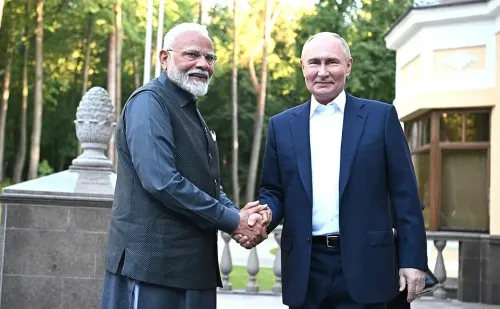
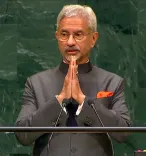
How Do PM Modi and Putin Talks Illustrate India's Diplomatic Balancing Act?
Synopsis
India's recent summit with President Putin demonstrates its strategic balancing act between Russia and the US amidst trade tensions. Former White House official Lisa Curtis provides insights on the implications of this diplomatic maneuvering for India’s future, particularly in technology and defense partnerships.
Key Takeaways
India balances ties with Russia and the US amid tensions.
Agreements target increasing trade with Russia and defense cooperation.
Concerns over technology risks with Russia.
Future gains may align with US partnerships .
Diplomatic maneuvers reflect India's strategic interests.
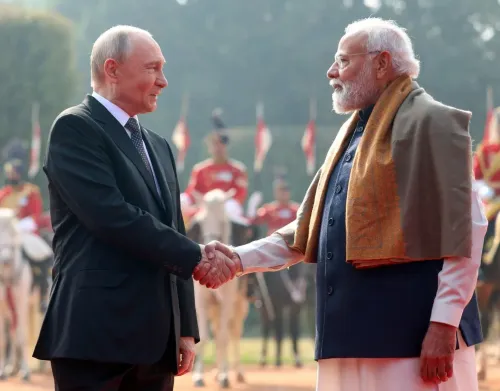
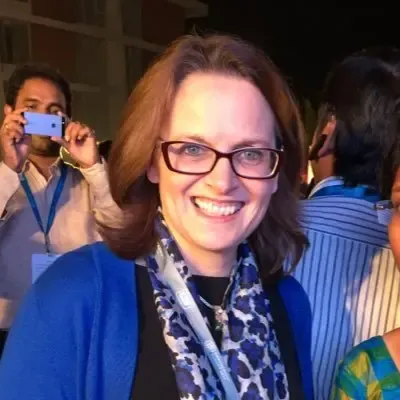
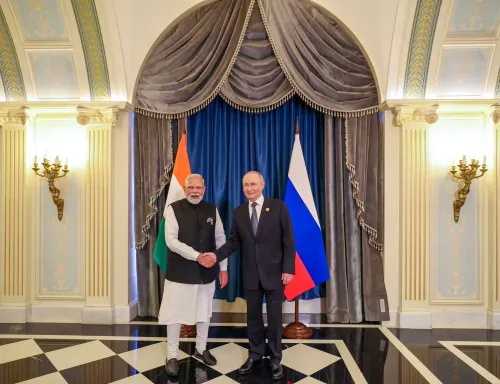
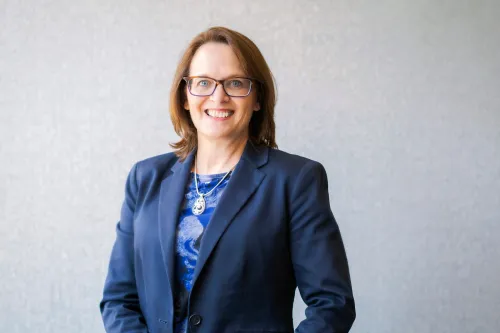
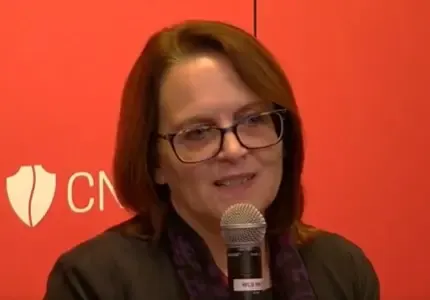
Washington, Dec 6 (NationPress) India's initiative to extend a warm welcome to President Vladimir Putin during this week's summit in New Delhi signifies a thoughtful attempt to navigate its relationships with both Moscow and Washington, as observed by Lisa Curtis, a former official in the White House for South Asia. She highlighted that this visit occurred amidst tensions in US-India relations related to trade tariffs and perceived shifts in policy.
Curtis, who currently serves as the Senior Fellow and Director of the Indo-Pacific Security Program at the Centre for a New American Security (CNAS), noted that the agreements made in New Delhi showcased the ongoing commitment of India to its historical defense and economic ties with Russia.
“They have set a target to boost trade to USD 100 billion by 2030,” she remarked, adding that “US-India trade is projected to reach USD 500 billion by 2030. This means US-India trade is five times greater than that with Russia.”
Curtis pointed out that India has also “finalized defense agreements, indicating that India is likely to import more S-400 systems from Russia.”
Simultaneously, she emphasized that India's military collaboration with Washington remains strong, referencing a recent agreement on helicopter maintenance. “A deal worth USD 1 billion was just signed for the upkeep and enhancement of its US-manufactured helicopters.”
Curtis stated that New Delhi's diplomatic maneuvers should be viewed in light of recent tensions with Washington.
“The deterioration we've observed in US-India relations, due to the imposition of 50 percent tariffs and perceived favoritism towards Pakistan following the India-Pakistan conflict in May, likely prompted India to extend an even warmer welcome to President Putin,” she explained.
However, she cautioned that India may encounter rising risks in its technological collaborations with Russia. “A recent report in the Washington Post highlighted how Russia is attempting to leverage India to establish a sovereign technology system separate from the West and the US, aiming to integrate into India’s cybersecurity and IT networks, which could be detrimental for India.”
Such collaborations, she warned, could have ramifications that extend beyond the bilateral relationship. Russia maintains a close partnership with China. Therefore, any advanced technological engagements with Russia could potentially grant China access to Indian technology.”
She argued that India's future advancements are more likely to arise from its partnership with Washington, particularly in emerging technologies.
“India faces a pivotal decision… Will it gain more by collaborating with the US, especially in the AI race and other sectors?” she inquired. Despite India’s enduring alliance with Russia, “the future appears more promising for India in strengthening its ties with the United States.”
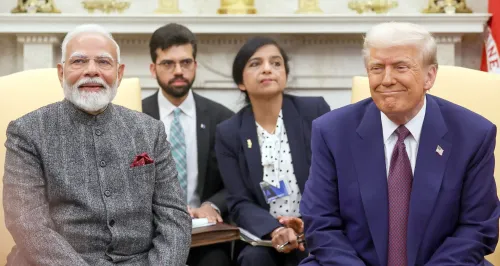
Regarding Washington's potential reaction to the PM Modi-Putin meeting, Curtis stated, “We’ll have to wait and see,” predicting a possibly muted response due to other global priorities. “The president is unpredictable in his reactions,” she noted about President Trump, adding, “This time, I doubt we’ll witness the same strong response” as seen after Modi's earlier meetings with Xi Jinping and Putin in China.
Curtis previously served as the senior director for South and Central Asia on the National Security Council during the Trump Administration from 2017 to 2020 and is recognized as a leading authority on India policy in Washington. India has consistently maintained a strong defense partnership with Russia while simultaneously enhancing its security, technology, and strategic cooperation with the United States, particularly within the Quad framework.
Point of View
This meeting illustrates India's deft navigation of complex international relationships, emphasizing its need to maintain strong ties with Russia while fostering a burgeoning partnership with the United States. This balancing act is pivotal for India's strategic interests and its role in the Indo-Pacific region.
NationPress
27 Sept 2026
Frequently Asked Questions
What is the significance of PM Modi's meeting with Putin?
The meeting symbolizes India's efforts to balance its relationships with both Russia and the United States amid trade tensions.
How does this summit impact US-India relations?
The summit highlights ongoing defense and economic cooperation while addressing recent strains in US-India relations.
What agreements were made during the summit?
Agreements included a target to boost trade with Russia to USD 100 billion and increased defense cooperation.
What are the risks of India's technology partnership with Russia?
There are concerns regarding potential access that China could gain to Indian technology through Russian collaborations.
What does the future hold for India’s international partnerships?
India's future gains are expected to align more closely with its partnership with the United States, especially in emerging technologies.