PoK protests put Pakistan's EU GSP+ trade privileges at risk
Synopsis
Pakistan's EU trade lifeline — the GSP+ scheme covering 85% of its exports to Europe duty-free — is now directly in the crosshairs of the PoK crackdown. With up to 90 civilians reportedly killed, internet shutdowns enforced, and journalists detained, Brussels is watching. The question is no longer whether Pakistan is in breach of GSP+ conditions, but whether the EU will act on it.
Key Takeaways
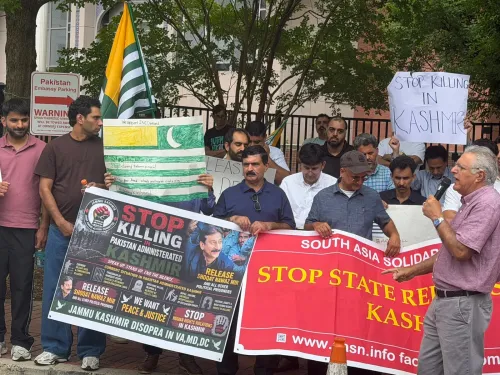
Up to 90 civilians have reportedly been killed in Pakistan-occupied Kashmir (PoK) by Pakistani security forces since early June .
Amnesty International confirmed at least 40 deaths up to 28 July ; local sources put the toll above 70 .
Pakistan's EU GSP+ status — covering more than 85% of its exports to Europe duty-free — is conditional on human rights compliance.
EU monitors have also flagged the trial of civilians in military courts, detention of former PM Imran Khan , and curbs on political opposition.
Reporters Without Borders (RSF) on 14 August called for the release of detained journalists and an end to the PoK media crackdown.
Pakistan's cybercrime agency blocked YouTube channels of journalists and opposition figures during the crackdown.
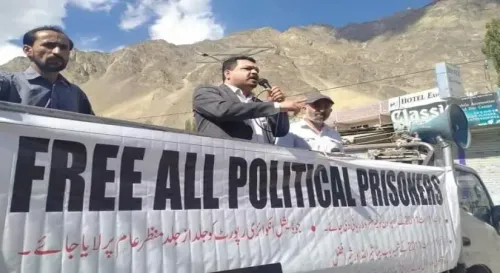
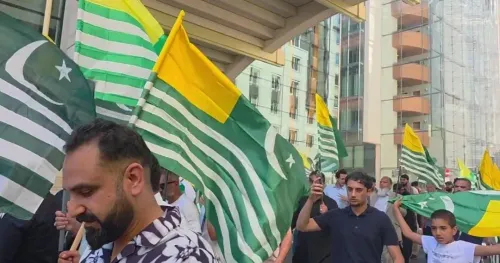
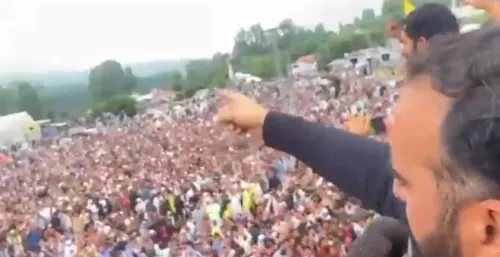
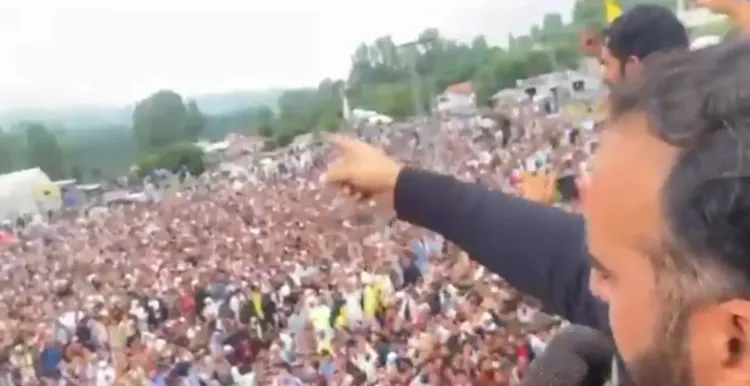
The violent crackdown on protests in Pakistan-occupied Kashmir (PoK) — marked by the killing of dozens of civilians, sweeping communication blackouts, and the deployment of anti-terrorism laws against local activists — directly threatens the conditions under which Pakistan retains privileged, duty-free access to the European Union market, according to a detailed report published in The European Conservative.
Scale of the Crackdown
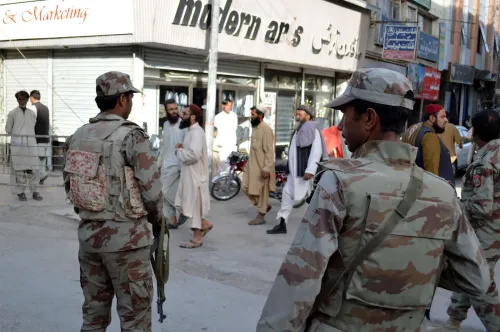
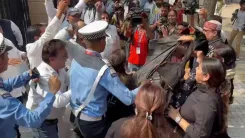
As many as 90 people have reportedly been killed in PoK by Pakistani security forces since early June. Amnesty International documented at least 40 deaths up to 28 July, while local sources placed the toll above 70. Beyond the fatalities, authorities imposed sweeping restrictions on telephone and internet services, effectively cutting off information flow from the region. Pakistan's national cybercrime agency also blocked YouTube channels belonging to journalists and opposition figures, according to Spanish journalist and analyst Javier Villamor, writing in The European Conservative.
What the EU's GSP+ System Requires
Since 2014, Pakistan has benefited from the EU's Generalised Scheme of Preferences Plus (GSP+), which grants zero import duties on more than two-thirds of its tariff lines. Currently, more than 85 per cent of Pakistan's exports to Europe enter duty-free and quota-free under the arrangement. However, these benefits are conditional, not unconditional.
'The EU requires the effective implementation of international conventions covering civil rights, freedom of expression and association, judicial guarantees, the prohibition of torture, labour rights, and protection against forced and child labour. Signing the treaties is not enough; Pakistan must also demonstrate a proactive approach in these areas,' Villamor wrote.
The EU has been actively monitoring developments in Pakistan. The PoK protests and the state's response to them fall squarely within the human rights benchmarks that GSP+ eligibility hinges upon.
Broader Concerns Flagged by EU Monitors
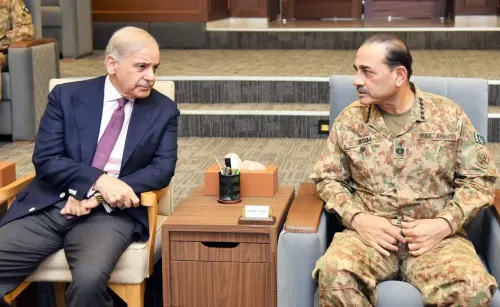
The crackdown in PoK is not the only issue drawing European scrutiny. According to the report, EU monitoring has also highlighted the trial of civilians by military courts, the detention of former Prime Minister Imran Khan, and systematic restrictions on political opposition activity — all of which compound Pakistan's compliance risks under the scheme.
Press Freedom Under Siege
On 14 August, leading international press freedom organisation Reporters Without Borders (RSF) called on Pakistani authorities to release detained journalists and end what it described as a sweeping crackdown on media professionals in PoK. RSF expressed grave concern over internet outages, the blocking of international outlet Al Jazeera, journalist arrests, travel restrictions on foreign reporters, court summons, and a broader pattern of press freedom violations escalating at an alarming rate.
The organisation noted that protests demanding electoral reform in PoK — ahead of the so-called 'legislative assembly elections' held from 27 July — were violently suppressed, resulting in mass arrests and intensified media restrictions in the region.
What Comes Next
The EU has the authority to initiate a formal GSP+ review and, in extreme cases, suspend preferential access. Pakistan's economic dependence on the arrangement — which covers the bulk of its textile and garment exports to Europe — makes any downgrade consequential. Whether Brussels moves from monitoring to formal action will depend on how Islamabad responds to mounting international pressure in the weeks ahead.
Point of View
And Brussels is now being forced to decide whether to use it. Pakistan's crackdown in PoK ticks nearly every box that triggers a formal review: civilian killings, communication blackouts, press suppression, and military courts trying civilians. What is notable is that the EU has been monitoring all of this, yet formal suspension proceedings have not begun. That gap between documented violations and institutional response is the real story — and it raises legitimate questions about whether trade interests are quietly shaping the pace of accountability.
NationPress
12 Oct 2026
Frequently Asked Questions
What is the EU GSP+ scheme and why does it matter for Pakistan?
The EU's Generalised Scheme of Preferences Plus (GSP+) grants Pakistan zero import duties on more than two-thirds of its tariff lines, with over 85% of its exports to Europe entering duty-free and quota-free. The arrangement, in place since 2014, is critical to Pakistan's textile and garment export economy. It is conditional on Pakistan upholding international conventions on civil rights, labour standards, and press freedom.
How do the PoK protests affect Pakistan's GSP+ status?
The violent suppression of protests in Pakistan-occupied Kashmir — including civilian killings, internet shutdowns, and journalist detentions — directly violates the human rights conditions attached to GSP+ eligibility. The EU has been monitoring these developments, and a sustained pattern of violations can trigger a formal review or suspension of preferential access.
How many people have been killed in the PoK crackdown?
Up to 90 people have reportedly been killed by Pakistani security forces in PoK since early June, according to reports. Amnesty International documented at least 40 deaths up to 28 July, while local sources placed the toll above 70.
What has Reporters Without Borders said about the situation in PoK?
On 14 August, Reporters Without Borders (RSF) called on Pakistani authorities to release detained journalists and end the crackdown on media professionals in PoK. RSF flagged internet outages, the blocking of Al Jazeera, journalist arrests, travel restrictions on foreign reporters, and escalating attacks on press freedom as deeply alarming.
What other issues is the EU monitoring in Pakistan beyond PoK?
Beyond the PoK crackdown, EU monitors have flagged the trial of civilians by military courts, the ongoing detention of former Prime Minister Imran Khan, and restrictions on political opposition activity — all of which compound Pakistan's compliance risks under the GSP+ framework.