PoK protests expose governance crisis, coercive rule: report
Synopsis
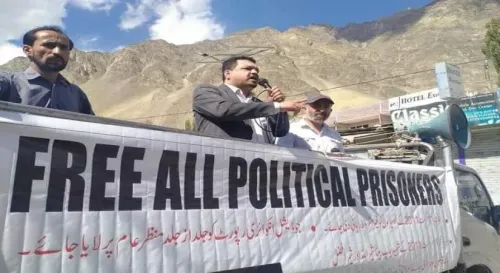
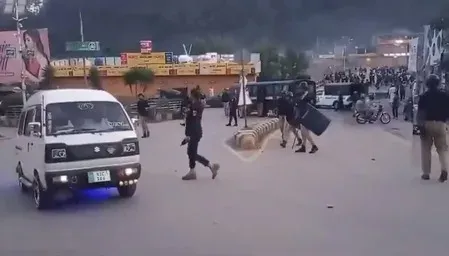
A new report tears through Islamabad's Kashmir custodian narrative: PoK's recurring protests are not random unrest but the predictable output of managed representation, suppressed dissent, and a government that answers flour-and-electricity grievances with bans and batons. The JAAC crackdown is the latest proof that coercion has replaced governance as the default policy tool.
Key Takeaways
A One World Outlook report says PoK unrest reflects 'managed representation, coercive policing, and a long habit of treating local grievances as a security problem.' The crackdown on the Joint Awami Action Committee (JAAC) is described as an effort to suppress protests rather than address underlying grievances.
Local activists allege that reserved assembly seats allow Pakistan 's mainstream parties to shape PoK 's legislature, reducing local accountability.
Recurring flashpoints centre on affordable access to flour and electricity — essentials authorities have repeatedly failed to provide at affordable prices.
The report warns that framing demands for price relief and governance reform as a 'security threat' signals authorities have 'no better answer than force.'
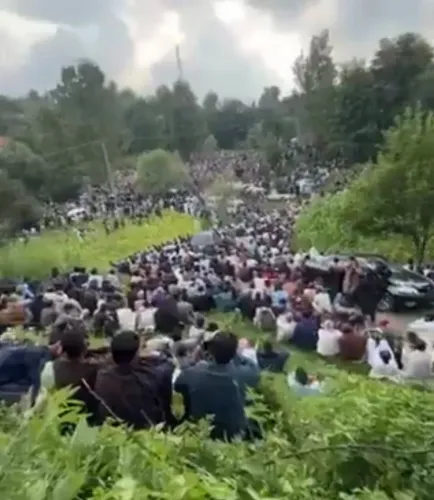
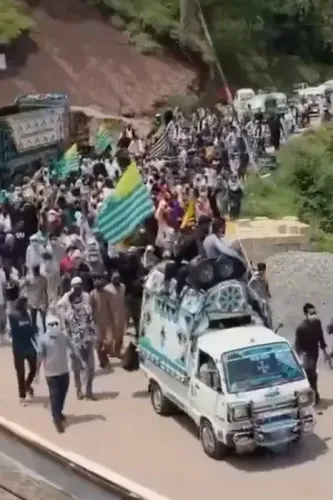
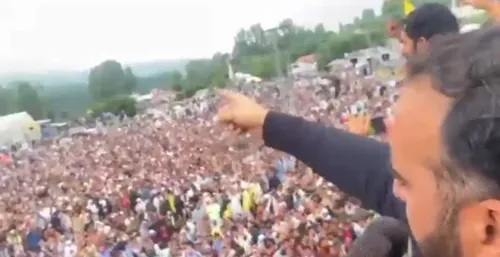
Massive protests in Pakistan-occupied Kashmir (PoK) have laid bare a deepening governance crisis, with a new report arguing that Islamabad's repeated use of coercive measures against its own population contradicts its long-standing claim of being the custodian of Kashmiri interests. The findings, published in One World Outlook, describe a political order built on structural failures rather than isolated unrest.
More Than a Periodic Flare-Up
According to the report, the unrest in PoK reflects a political system founded on 'managed representation, coercive policing, and a long habit of treating local grievances as a security problem rather than a governance failure.' What began as a dispute over reserved assembly seats has since expanded into a broader question of whether the region's residents are treated as rights-bearing citizens or as subjects expected to comply without dissent.
The report characterises the current crisis not as an isolated episode but as the culmination of longstanding failures — authorities' inability to ensure affordable essential services, responsive governance, and meaningful political representation for the people of PoK.
The Crackdown on JAAC
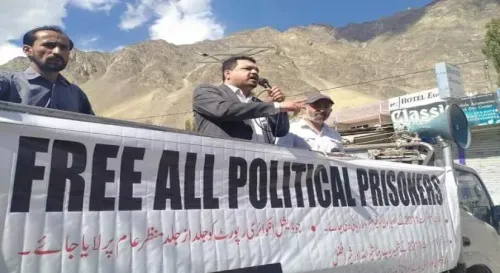
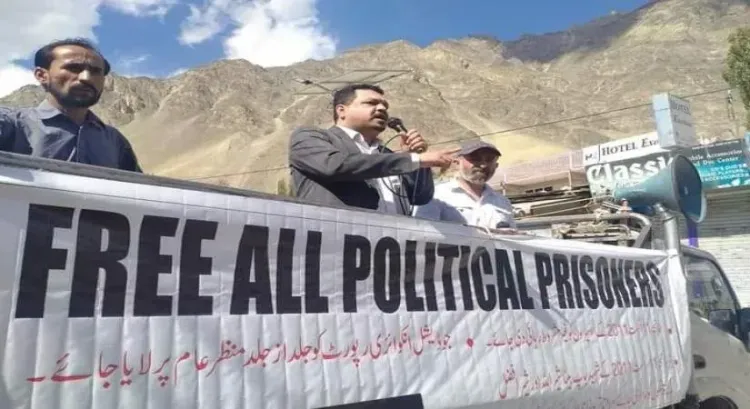
The report singles out the move against the Joint Awami Action Committee (JAAC) as particularly revealing. Rather than addressing the grievances that fuelled the protest movement, authorities opted to suppress it. 'Banning a protest movement does not solve its grievances; it only narrows the space for peaceful bargaining and raises the political cost of compromise,' the report noted.
When demands centred on price relief, governance reform, and opposition to reserved-seat manipulation are framed as a security threat, the report argues, authorities effectively signal that they 'have no better answer than force.'
Reserved Seats and Captured Institutions
Local activists, according to the report, maintain that reserved assembly seats are used by Pakistan's mainstream political parties to shape PoK's political landscape — diminishing the influence of local inhabitants over their own affairs. The report cautions against dismissing this as narrow factionalism.
'A legislature that is partly shaped by political actors outside the territory is not fully accountable to the people who bear the consequences of its decisions. If the region's residents believe that their assembly is an instrument for external influence, then every policy failure, every subsidy shortfall, and every policing excess will be interpreted through the lens of captured institutions,' the report stated.
Flour, Electricity, and the Economics of Survival
The report stresses that the recurring flashpoints in PoK are not abstract constitutional disputes — they are rooted in the everyday economics of survival. Essentials such as flour and electricity have repeatedly become sources of public anger as authorities struggle to supply them at prices ordinary residents can afford.
When emergency relief is extended only after deadly protests, the report argues, authorities are effectively conceding that their earlier approach was 'unsustainable.' It describes this pattern as 'the classic authoritarian bargain in miniature: cheap legitimacy through selective patronage, followed by coercion when the bill comes due.'
Why the Cycle Keeps Repeating
The report is unambiguous on why these episodes recur: 'Protesters may be imperfect, sometimes unruly and at times violent, but the underlying grievance is legitimate when an impoverished population sees elite privilege protected while its own cost of living rises.' Without structural reforms addressing both political representation and basic service delivery, analysts warn, the cycle of protest and crackdown is likely to continue.
Point of View
It has already conceded it cannot win the argument on merits. What the report calls 'the classic authoritarian bargain' — patronage followed by force — is not sustainable, and the recurring protest cycles are the evidence. The reserved-seats controversy deserves particular scrutiny: a legislature partly populated by actors from outside the territory is, by definition, only partially accountable to the territory's residents. Until that structural contradiction is addressed, every subsidy failure and every policing excess will be read as confirmation of a captured system.
NationPress
13 Sept 2026
Frequently Asked Questions
What triggered the latest protests in Pakistan-occupied Kashmir?
The immediate trigger was a dispute over reserved assembly seats, but the protests have since widened to encompass demands for price relief on essentials like flour and electricity, governance reform, and opposition to what activists describe as external political interference in PoK's legislature. The One World Outlook report characterises the unrest as the culmination of longstanding governance failures rather than a single flashpoint.
What is the Joint Awami Action Committee (JAAC) and why was it targeted?
The JAAC is a protest movement in PoK that has led agitations around price relief, governance reform, and reserved-seat manipulation. Authorities moved to ban the committee, a step the One World Outlook report describes as an attempt to suppress dissent rather than address the grievances driving it.
Why does the reserved-seats controversy matter in PoK?
Local activists argue that reserved seats are used by Pakistan's mainstream parties to shape PoK's political landscape, reducing local residents' influence over their own governance. The report warns that a legislature partly shaped by outside political actors is not fully accountable to the people who live with its decisions.
How does the report describe Islamabad's governance approach in PoK?
The report describes it as 'managed representation, coercive policing, and a long habit of treating local grievances as a security problem rather than a governance failure.' It argues that extending emergency relief only after deadly protests amounts to admitting the earlier approach was unsustainable.
Why do protests in PoK keep recurring?
According to the report, the cycle recurs because structural problems — unaffordable essentials, unaccountable institutions, and suppressed political representation — remain unaddressed. It describes the pattern as 'the classic authoritarian bargain': selective patronage followed by coercion, which resolves nothing and guarantees future unrest.