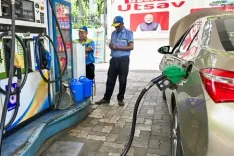
Punjab Assembly passes resolution urging Centre to suspend E-20 petrol rollout
Synopsis
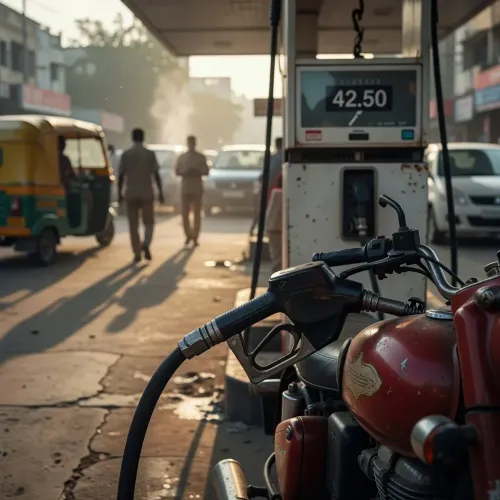
Punjab's Legislative Assembly has formally challenged the Centre's E-20 petrol mandate, passing a resolution that warns of engine damage, mileage loss, and economic harm to farmers and commuters — and demanding a suspension until independent scientific evaluation is complete. With the rollout timeline already advanced by five years, state-level resistance to the fuel transition is now on the legislative record.
Key Takeaways
The Punjab Legislative Assembly passed a resolution on 4 August urging the Centre to suspend mandatory E-20 petrol implementation for non-compatible vehicles.
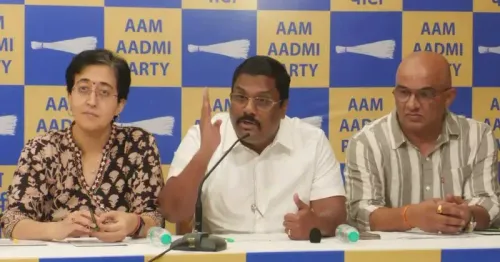
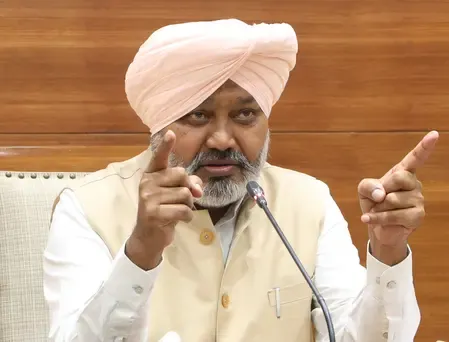
The resolution was moved by Finance Minister Harpal Singh Cheema and cited risks including engine wear, reduced mileage, and warranty disputes.
The E-20 rollout deadline was advanced by five years from the original 2030 target, giving stakeholders inadequate preparation time, according to the resolution.
The economic burden is expected to fall on farmers, transporters, middle-class families, and daily commuters , the House warned.
The Assembly demanded an independent scientific evaluation of E-20's impact on mileage, engine life, and total cost of ownership before mandatory enforcement continues.
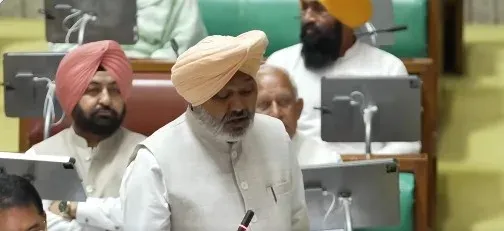
The Punjab Legislative Assembly on 4 August passed a resolution urging the Centre to review and suspend the mandatory nationwide implementation of E-20 petrol for vehicles not originally designed or certified for it, until compatibility, consumer safety, and state-specific concerns are fully addressed. The resolution was moved by Punjab Finance Minister Harpal Singh Cheema, who cited the policy's potential economic harm to consumers across the state.
What the Resolution Demands
The House called on the Central government to halt mandatory E-20 enforcement for non-compatible vehicles until an independent scientific evaluation of the fuel's impact on mileage, engine life, maintenance requirements, and total cost of ownership is made fully transparent. The resolution underlined that consumers should not be compelled to use any fuel whose real-world effects have not been independently verified.
Key Concerns Raised by the Assembly
The resolution flagged several technical and economic risks associated with mandatory E-20 use. These include engine compatibility issues, accelerated wear and tear of fuel system components, reduced fuel efficiency and mileage, increased maintenance costs, warranty disputes, and a decline in the resale value of existing vehicles.
The House noted that millions of vehicles across the country — including a large number in Punjab — were manufactured before E-20-compatible engines became standard. It also pointed out that the implementation target was advanced by five years from the original 2030 schedule, leaving vehicle manufacturers, citizens, and farmers with inadequate time to prepare.
Economic Burden on Vulnerable Groups
The resolution warned that the economic burden of the transition is likely to fall most heavily on middle-class families, farmers, transporters, small business owners, employees, students, and daily commuters. It added that higher operational and transportation costs could push up agricultural expenses and freight costs for essential commodities, placing additional financial strain on ordinary citizens.
Punjab's Case for Consultation
While acknowledging the national importance of reducing crude oil dependency, strengthening energy security, and promoting eco-friendly fuels, the resolution emphasised that such policies must be implemented transparently, scientifically, and with due sensitivity towards citizens and state governments. Highlighting Punjab's significant contribution to national food security alongside its environmental and groundwater challenges, the House asserted that 'Punjab has every right to meaningful consultation before the rollout of policies carrying far-reaching economic and environmental implications.'
The resolution marks a direct legislative challenge from a state government to a Central fuel policy, and signals that state-level pushback on the E-20 mandate could intensify as the rollout progresses.
Point of View
But for what it concedes — the Assembly explicitly endorsed the goals of reducing crude dependency and promoting cleaner fuels, making this a process objection rather than an outright rejection of ethanol blending. That framing is politically astute: it shifts the burden of proof onto the Centre to demonstrate compatibility safeguards rather than defend the policy's environmental rationale. The five-year acceleration of the 2030 deadline is the sharpest grievance and the hardest for the Centre to dismiss, since it is a verifiable timeline change that left the supply chain, automakers, and consumers with little runway. If other opposition-ruled states adopt similar resolutions, the E-20 mandate could face a broader federal stress test that the Centre has not yet publicly prepared for.
NationPress
18 Sept 2026
Frequently Asked Questions
What is E-20 petrol and why is Punjab opposing it?
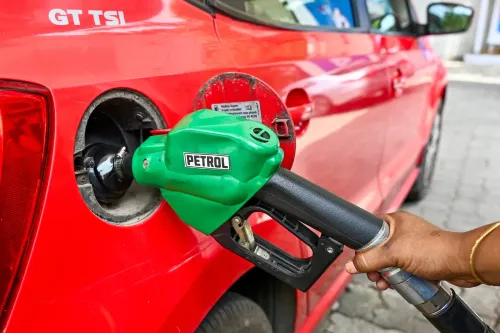
E-20 petrol is a blend of 20% ethanol and 80% conventional petrol, which the Central government has mandated for nationwide supply. Punjab's Legislative Assembly has passed a resolution opposing its mandatory implementation for vehicles not designed or certified for E-20, citing concerns over engine damage, reduced mileage, increased maintenance costs, and economic harm to farmers and commuters.
What does the Punjab Assembly resolution specifically demand?
The resolution urges the Centre to review and suspend mandatory E-20 implementation for non-compatible vehicles until compatibility, consumer safety, and state-specific concerns are comprehensively addressed. It also calls for an independent scientific evaluation of E-20's impact on mileage, engine life, and total cost of ownership before enforcement continues.
Why was the E-20 implementation timeline considered rushed?
According to the resolution, the original target for E-20 implementation was 2030 , but it was advanced by five years , leaving vehicle manufacturers, citizens, and farmers with inadequate time to prepare for the transition.
Who is most affected by the mandatory E-20 fuel policy?
The resolution states that the economic burden is likely to fall most heavily on middle-class families, farmers, transporters, small business owners, employees, students, and daily commuters — particularly those owning older vehicles not designed for E-20-compatible engines.
Does Punjab oppose the broader goal of ethanol blending?
No. The resolution explicitly acknowledged that reducing crude oil dependency, strengthening energy security, and promoting eco-friendly fuels are important national objectives. Punjab's objection is to the manner and pace of implementation, not the policy's environmental intent.