Rajya Sabha walkout: Nadda says Opposition has no agenda, dodges debate
Synopsis
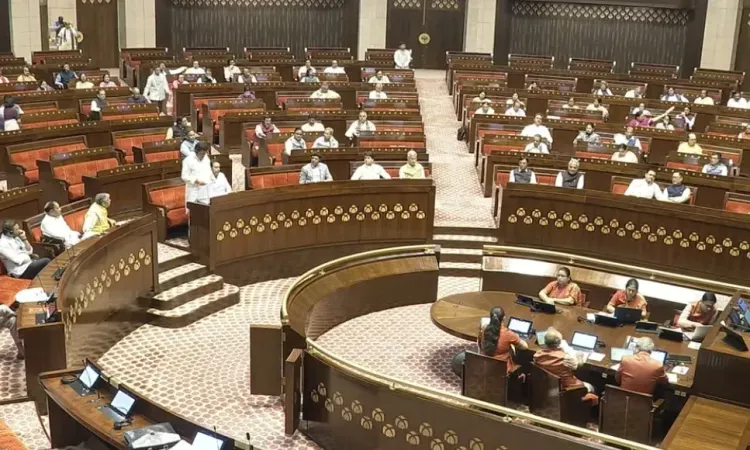
The Rajya Sabha descended into sloganeering on 30 July as the Opposition demanded the Home Minister appear in the House over alleged use of force on students — then walked out when the Chair declined. Leader of the House J.P. Nadda's blunt counter — that the Opposition has no agenda and collapses whenever real debate begins — sharpens a growing accountability battle this session.
Key Takeaways
Opposition members staged a walkout in the Rajya Sabha on 30 July after Chairman Radhakrishnan declined their demand for the Home Minister's presence.
Congress member Pramod Tiwari invoked Article 75 , citing the collective responsibility of the Council of Ministers to the House.
Leader of the House J.P.
Nadda called the Opposition's conduct 'utterly irresponsible,' saying the government was ready to debate all issues.
Members from BJP and AAP raised regional issues including sugarcane farmers in Uttar Pradesh , water scarcity in Rajasthan , and yak conservation in Sikkim .
Despite the disruption, the House completed significant business on external affairs, science, earth sciences, and culture.
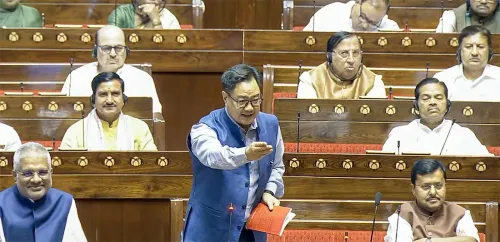
Opposition members staged a walkout in the Rajya Sabha on Thursday, 30 July, after the Chair declined their demand for the Home Minister's presence in the House. Leader of the House J.P. Nadda responded sharply, asserting that the Opposition had no agenda and consistently avoided substantive discussion, while the Narendra Modi-led government remained prepared to debate every issue.
How the Disruption Unfolded
The trouble began shortly after the House assembled following the laying of papers, reports, and ministerial statements. Congress member from Rajasthan, Pramod Tiwari, invoked Article 75 of the Constitution, stressing the collective responsibility of the Council of Ministers to the House, and demanded that the Home Minister appear in the chamber.
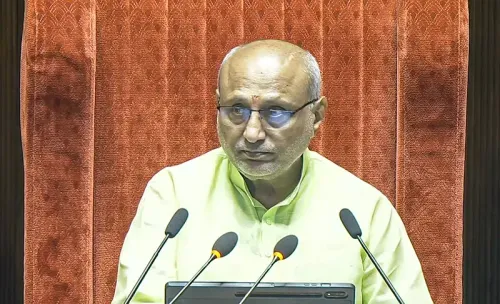
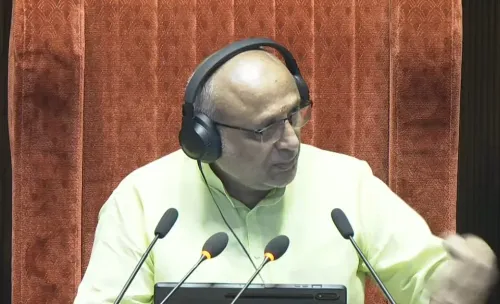
Treasury benches objected, but Chairman Radhakrishnan allowed Tiwari to speak before declining his point of order on the grounds that it was not linked to the listed business. Despite proceedings moving forward, Opposition members continued to raise slogans — 'Home Minister Sadan Mein Aao' (Home Minister, come to the House) — drowning out other voices.
Members Raise Regional Concerns
Several members used the time to flag constituency-level issues. Prakash Chik Baraik of the Bharatiya Janata Party (BJP) from West Bengal and Sanjay Singh of the Aam Aadmi Party (AAP) raised the problems of sugarcane farmers in Uttar Pradesh. Ghanshyam Tiwari of the BJP spoke on drinking water scarcity in the Shekhawati region of Rajasthan.
Kanad Purkayastha of the BJP sought establishment of a logistics park under the PM Gati Shakti project in Assam. Govindbhai Laljibhai Dholakia from Gujarat called for wider promotion of natural farming across India. Rekha Sharma of the BJP from Haryana drew attention to the wastage of leftover food prepared by Indian Railways and suggested it be redirected to those in need rather than discarded.
Opposition Walkout and Nadda's Rebuke
Congress member Rajiv Shukla observed that the House was not in order and that Opposition views would not come on record. Tiwari was again permitted to speak, reiterating the demand for the Home Minister's presence and citing the Constitution's collective responsibility clause. He specifically referred to what he described as 'lathi charge and bullets' used on students, arguing the Home Minister owed the House a direct reply.
When Chairman Radhakrishnan again ruled the point of order out of order and called Dorjee Tshering Lepcha of the BJP from Sikkim, Opposition members walked out. Lepcha subsequently raised the issue of yak conservation in Sikkim.
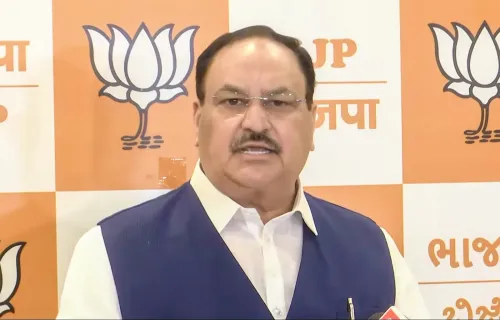
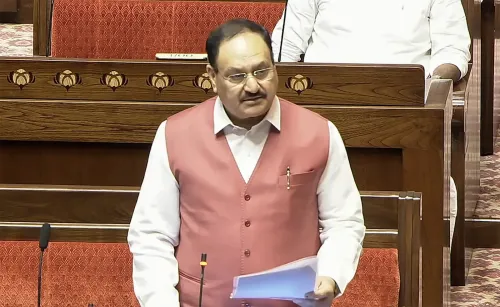
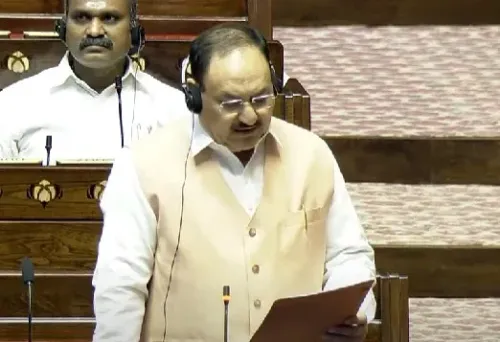
Nadda then addressed the House, accusing the Opposition of habitually 'shifting the goalpost' and describing their conduct as 'utterly irresponsible.' He reiterated that whenever discussions were held, the Opposition 'fell flat,' and that the government remained open to debating all matters.
Substantive Business Conducted
Despite the disruption, the Rajya Sabha conducted significant legislative business. Dr John Brittas and Ratanjit Pratap Narain Singh laid the 14th and 15th reports of the Parliamentary Standing Committee on External Affairs. Dr Jitendra Singh made statements on the implementation of recommendations from the Standing Committee on Science and Technology concerning Demands for Grants (2026-27) for the Department of Science and Technology and the Ministry of Earth Sciences. Gajendra Singh Shekhawat made a statement on the Ministry of Culture's demands for grants (2025-26). The House then continued with its listed agenda.
The walkout is the latest in a series of parliamentary disruptions this session, underscoring the widening standoff between the ruling alliance and the Opposition over the government's accountability on law-and-order matters.
Point of View
But by an opposition that leaves.
NationPress
13 Sept 2026
Frequently Asked Questions
Why did the Opposition walk out of Rajya Sabha on 30 July?
The Opposition walked out after Chairman Radhakrishnan declined their demand for the Home Minister to appear in the House, ruling the point of order was not linked to the listed business. Congress member Pramod Tiwari had cited Article 75 and collective ministerial responsibility, including over the alleged use of force on students.
What did J.P. Nadda say after the walkout?
Leader of the House J.P. Nadda said the Opposition was in the habit of shifting the goalpost and described their conduct as 'utterly irresponsible.' He asserted that the Modi-led government was always prepared to discuss all issues, and that whenever discussions took place, the Opposition 'fell flat.'
What is Article 75 and why did the Opposition invoke it?
Article 75 of the Indian Constitution establishes that the Council of Ministers is collectively responsible to the House of the People. Congress member Pramod Tiwari invoked it to argue that the Home Minister was constitutionally obliged to be present in the Rajya Sabha to answer questions, particularly regarding the alleged use of force on students.
What other issues were raised in the Rajya Sabha session?
Members raised a range of regional concerns including sugarcane farmer distress in Uttar Pradesh, drinking water scarcity in Rajasthan's Shekhawati region, a logistics park under PM Gati Shakti in Assam, natural farming promotion, and wastage of Indian Railways food. The House also conducted substantive business on external affairs, science, earth sciences, and culture.
Did the Rajya Sabha complete any legislative business despite the disruption?
Yes. The House laid the 14th and 15th reports of the Parliamentary Standing Committee on External Affairs and received ministerial statements on science, earth sciences, and culture demands for grants. The House then continued with its listed agenda.