RSS Advocates for Global Peace Amid West Asia Tensions and Plans Nationwide Expansion
Synopsis
The RSS emphasizes the need for peace in West Asia while announcing plans for organizational growth as it nears its centenary. General Secretary Dattatreya Hosabale highlights government efforts for national interest and the importance of peaceful mourning.
Key Takeaways
RSS advocates for peace in West Asia.
Organization expanding as it nears its 100th year.
Government actions aligned with national interest.
Mourning should remain peaceful according to Indian tradition.
Akhil Bharatiya Pratinidhi Sabha is the apex decision-making body.
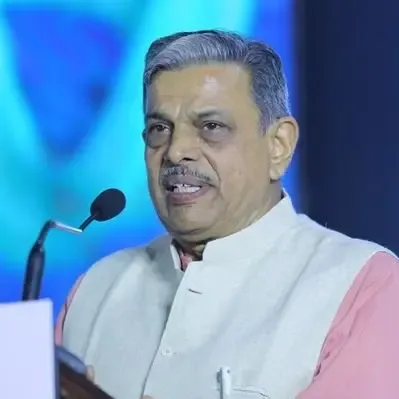
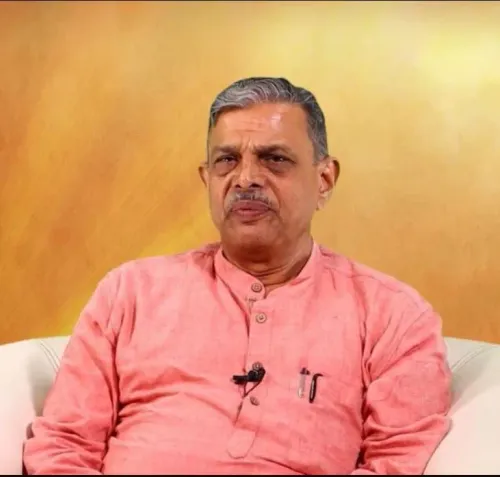
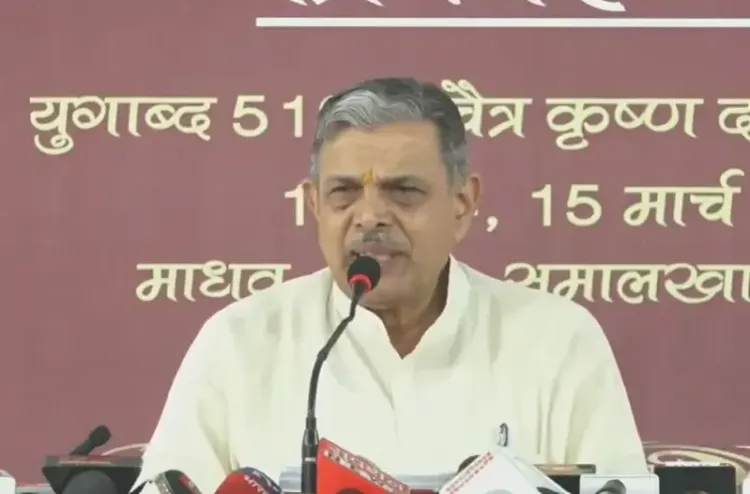
New Delhi, March 15 (NationPress) The Rashtriya Swayamsevak Sangh (RSS) has advocated for peace amidst the escalating tensions in West Asia, while also detailing its initiatives to broaden its reach across the nation as it nears its centenary, stated RSS General Secretary Dattatreya Hosabale on Sunday.
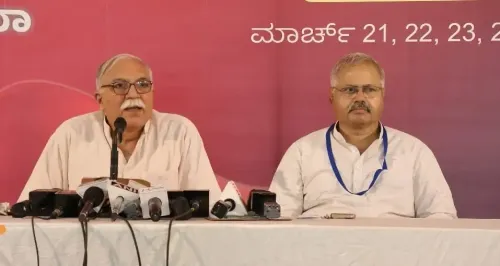
During a press conference at the Akhil Bharatiya Pratinidhi Sabha (ABPS) meeting, Hosabale expressed hope for a swift resolution to the ongoing conflicts in West Asia and underscored the importance of peace.
“The current situation lacks peace. Our organisation aspires for global harmony. In the nation where you reside and thrive, your actions should benefit that country. Conflicts arise for numerous reasons, but we yearn for their quick resolution and for peace to prevail,” he articulated.
He further remarked that the Indian government is undertaking measures aligned with the nation's overall interests.
“The Indian government is exerting its utmost efforts, ensuring that the actions taken are in the supreme interest of the nation,” he added.
In response to inquiries about the unrest following the reported death of Iran’s Supreme Leader Ayatollah Khamenei, Hosabale emphasized that expressions of grief should be conducted in a peaceful manner.
“If individuals wish to mourn, it should be done without unrest. It is a customary tradition in India that, following a passing, no one is considered an adversary, and the RSS has consistently advocated for sorrowful expressions to remain peaceful and devoid of agitation,” he mentioned.
Regarding organisational affairs, the RSS General Secretary stated that the Sangh is concentrating on expanding its activities nationwide as it approaches its 100th anniversary.
“As we near our centenary, we have resolved at the organisational level to establish an RSS branch and hold weekly meetings throughout the country. Currently, 88,949 branches are operational across 55,683 locations,” he stated.
Hosabale also described the structure of the Akhil Bharatiya Pratinidhi Sabha and the selection process for its members.
“It brings joy that the Akhil Bharatiya Representative Assembly session is taking place for the second time in this venue. According to the Sangh’s protocol, members of this assembly are either elected or appointed for a three-year term. Some are elected, while others are designated,” he articulated.
He added that the organisation routinely assesses its operations from both organisational and social perspectives.
“From an organisational standpoint, we evaluated two aspects, and from a social viewpoint, three aspects. Organisationally, we focused on the Sangh’s growth across diverse regions of the country, working over recent years to increase the number of branches, weekly gatherings, and daily meetings. Significant progress has been made in this regard,” Hosabale remarked.
Clarifying how the Sangh delineates its operational areas, he stated that the organisation has specific definitions for both rural and urban locations.
“I will briefly elaborate, as the Sangh employs specific terminologies to define locations. At present, we have identified 55 locations in rural regions. In urban contexts, a city—particularly a Mahanagar (metropolitan area)—may encompass five to eight towns, which collectively are viewed as a single location,” he explained.
On potential organisational restructuring, Hosabale mentioned that any changes would be formally communicated.
“If there are any alterations in responsibilities, they will be publicly announced,” he stated.
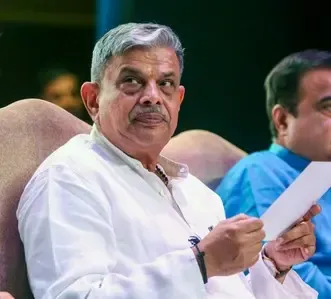
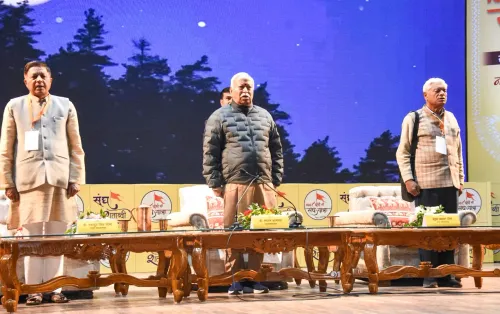
These comments were made during the ongoing session of the RSS’s principal decision-making body, the Akhil Bharatiya Pratinidhi Sabha. This crucial three-day meeting commenced earlier on Friday in Samalkha, Haryana, where senior leaders evaluated the organisation’s activities over the past year and deliberated on future plans.
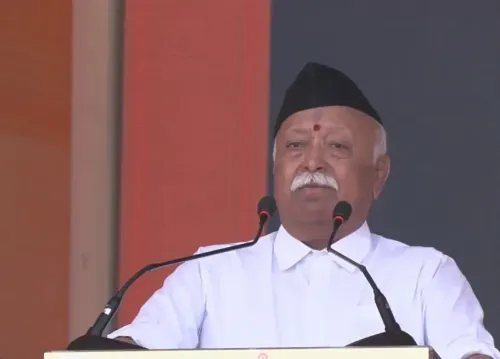
The meeting was inaugurated on Friday by RSS Chief Mohan Bhagwat, alongside General Secretary Dattatreya Hosabale.
From the RSS’s organisational viewpoint, the Akhil Bharatiya Pratinidhi Sabha serves as the highest decision-making entity of the Sangh, where significant policy decisions and future strategies are deliberated.
Point of View
It's evident that the organization is not only advocating for peace in West Asia but also striving for significant growth across India. This dual focus reflects a commitment to national interests and a broader understanding of global dynamics, urging a peaceful resolution to conflicts.
NationPress
5 Oct 2026
Frequently Asked Questions
What is the main message of the RSS regarding West Asia?
The RSS is advocating for peace in West Asia amidst rising tensions and hopes for a resolution to conflicts.
How is the RSS planning to expand its presence?
As it approaches its centenary, the RSS is focusing on establishing branches and holding weekly meetings across the country.
What did Hosabale say about the Indian government's actions?
Hosabale mentioned that the Indian government is taking steps aligned with the nation's supreme interests.
What is the Akhil Bharatiya Pratinidhi Sabha?
It is the highest decision-making body of the RSS where major policy decisions and future strategies are discussed.
How does the RSS categorize its operational areas?
The RSS defines operational areas specifically for rural and urban locations, identifying various regions accordingly.