VB-G RAM G Act: Rural employment raised to 125 days from July 1
Synopsis
Chouhan said. An unemployment allowance will also be paid if employment is not provided on demand.
Transition from MGNREGA
Chouhan clarified that all provisions of MGNREGA will continue during the transition period. Unfinished works under the existing scheme will be completed before the new framework takes full effect. The Centre is conducting extensive consultations with states to finalise implementation rules, with most states given up to six months to complete preparations.
Notably, if any state is unable to finish preparations by 1 July 2025, the funding pattern for works undertaken after that date will still shift to the VB-G RAM G framework. The priority, according to Chouhan, is to ensure no worker is deprived of employment during the changeover.
Financial Outlay
On the financial side, the Centre has allocated more than ₹95,000 crore in the Union Budget under Prime Minister Narendra Modi's leadership. With states also making budgetary provisions, the combined annual allocation of the Centre and states is expected to exceed ₹1.51 lakh crore.
The administrative expenditure component has also been raised from 6% to 9%, a move aimed at ensuring timely salary payments to staff handling the scheme — a persistent bottleneck under MGNREGA.
Scope of Works Covered
The scheme will fund a wide range of rural infrastructure, including water conservation, roads, bridges, culverts, schools, Anganwadi buildings, and farm-related infrastructure. Working sheds for self-help groups and Farmer Producer Organisations (FPOs) can also be developed under the programme.
What Comes Next
This comes amid longstanding concerns over delayed wage payments and administrative inefficiencies under MGNREGA, which the new framework explicitly attempts to address. Chouhan expressed confidence that the Act would improve rural livelihoods and advance the vision of developed villages for a developed India. With a combined outlay exceeding ₹1.51 lakh crore and a July 1 rollout date, the implementation quality — particularly in states still finalising rules — will be the defining test of this ambitious overhaul.
Key Takeaways
The VB-G RAM G Act has been notified by the Centre and will be implemented across India from 1 July 2025 .
Guaranteed rural employment is raised from 100 days to 125 days per worker.
The Centre has allocated more than ₹95,000 crore ; combined Centre-state outlay will exceed ₹1.51 lakh crore annually.
Wages will be credited within 15 days via Direct Benefit Transfer ; delayed payments will attract compensation.
Administrative expenditure raised from 6% to 9% to ensure timely staff salaries.
All MGNREGA provisions continue during the transition; most states have up to six months to prepare.
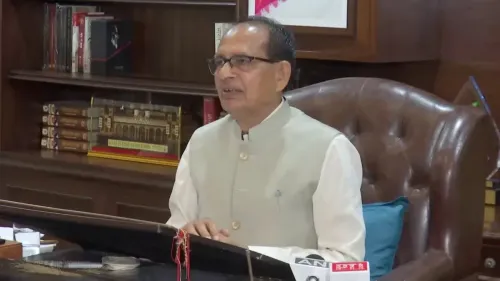
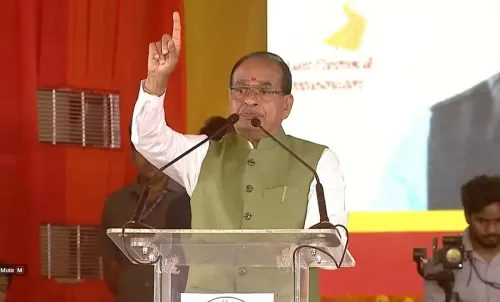
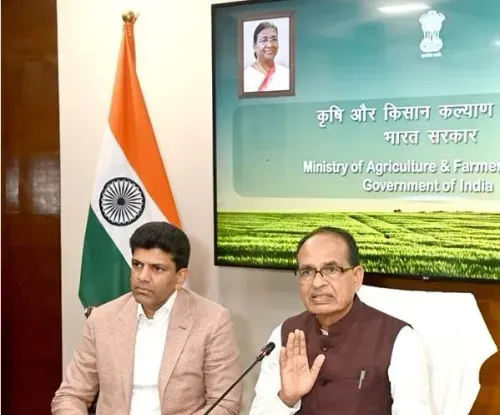
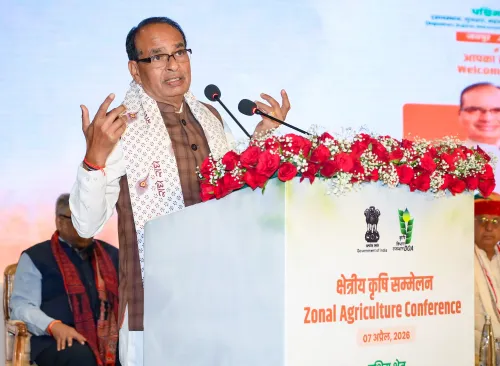
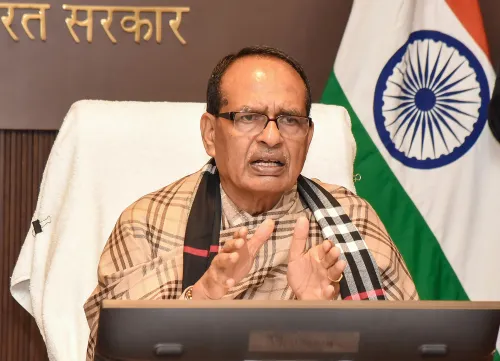
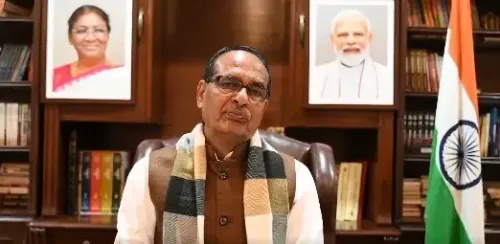
The Centre has notified the Viksit Bharat–Guarantee for Rozgar and Aajeevika Mission (Gramin), or VB-G RAM G Act, which will be implemented across India from 1 July 2025, Union Agriculture Minister Shivraj Singh Chouhan announced on Monday, 11 May. The new law raises guaranteed rural employment from 100 days to 125 days for workers seeking work, marking the most significant overhaul of India's rural jobs guarantee framework in years.
Key Provisions of the New Act
Addressing reporters in Bhopal, Chouhan said the Act is designed to expand job opportunities and strengthen livelihood security for labourers, women, farmers, and self-help groups. Wages will be transferred directly into workers' bank or post office accounts through Direct Benefit Transfer (DBT).
Point of View
At its core, MGNREGA with a higher day-count and a rebranded identity — and that framing matters. The real test lies not in the headline number of 125 days but in whether the structural fixes — faster DBT payments, higher administrative allocation, unemployment allowance — actually hold at the ground level. MGNREGA's chronic failures were never about intent; they were about implementation: delayed wages, ghost workers, and state governments treating the scheme as a fiscal burden. Raising the administrative component from 6% to 9% is a pragmatic acknowledgement of that problem, but it is a modest correction. With a combined outlay of over ₹1.51 lakh crore, the stakes are high — and so is the risk of the same inefficiencies simply scaling up under a new name.
NationPress
23 Sept 2026
Frequently Asked Questions
What is the VB-G RAM G Act?
The VB-G RAM G Act, or Viksit Bharat–Guarantee for Rozgar and Aajeevika Mission (Gramin) Act, is a new rural employment guarantee law notified by the Centre that will replace the MGNREGA framework from 1 July 2025. It raises guaranteed employment from 100 days to 125 days per worker and introduces faster wage payment timelines through Direct Benefit Transfer.
When will the VB-G RAM G Act come into effect?
The Act is scheduled to be implemented across India from 1 July 2025. States that are not ready by that date will still see the funding pattern shift to the new framework for works undertaken after that date.
How does VB-G RAM G differ from MGNREGA?
The new Act raises guaranteed employment from 100 to 125 days, mandates wage payment within 15 days via DBT, introduces delayed payment compensation, and raises the administrative expenditure cap from 6% to 9%. All existing MGNREGA provisions continue during the transition period.
How much money has been allocated for the scheme?
The Centre has allocated more than ₹95,000 crore in the Union Budget for the scheme. With states also making budgetary provisions, the combined annual outlay of Centre and states is expected to exceed ₹1.51 lakh crore.
Who benefits from the VB-G RAM G Act?
The scheme covers rural labourers, women, farmers, and self-help groups seeking employment. It also funds infrastructure such as water conservation works, roads, bridges, schools, Anganwadi buildings, and working sheds for Farmer Producer Organisations.