Russia warns Japan over US Typhon missile deployment in Kagoshima
Synopsis
Russia has formally warned Japan and threatened countermeasures after US Typhon missile systems — capable of striking targets up to 1,600 km away — were deployed at Kanoya Air Base in Kagoshima. With a diplomatic protest already lodged and Moscow invoking its red lines on the Southern Kuril Islands, this is shaping up as one of the sharpest Russia-Japan confrontations in years, set against Japan's quiet but consequential pivot away from its pacifist defence posture.
Key Takeaways
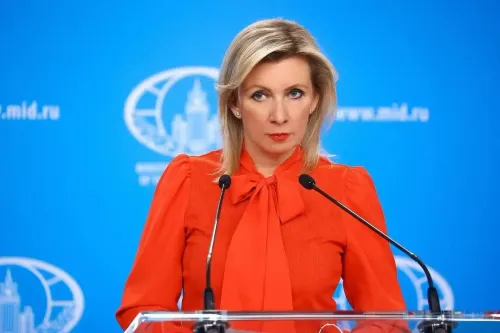
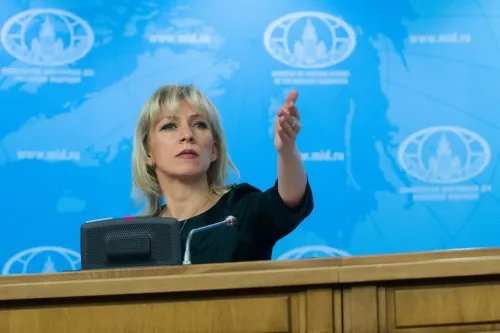
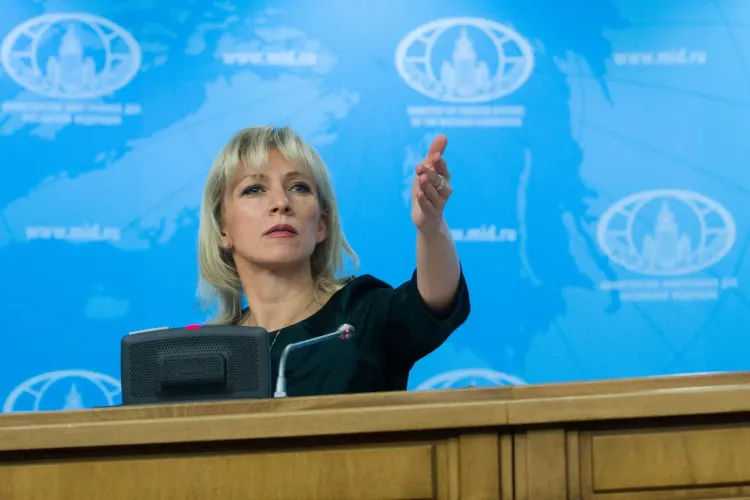
Russian Foreign Ministry spokeswoman Maria Zakharova warned Japan of countermeasures on 1 September over the deployment of US Typhon missile systems .
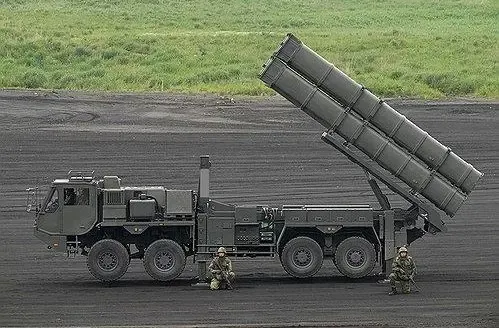
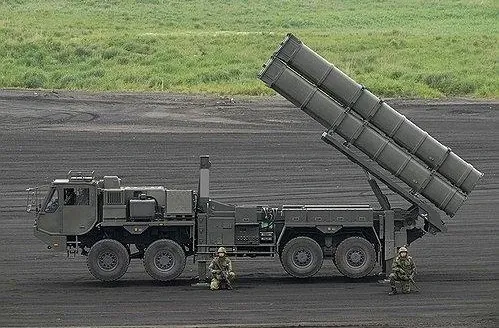
The Typhon system at Kanoya Air Base , Kagoshima Prefecture , can carry Tomahawk missiles with a range of up to 1,600 km — the longest-range ground-based system deployed in Japan.
Russia lodged a formal diplomatic protest with the Japanese Embassy on Monday , a day before Zakharova's public statement.
The systems are part of the Valiant Shield and Orient Shield joint exercises running from June to September ; they will move to a US base for storage after the drills.
The Typhon system was first deployed in Japan in September last year in Yamaguchi Prefecture , drawing local opposition after it stayed longer than announced.
Zakharova also reiterated Russia's claim over the Southern Kuril Islands and called on Japan to return to its pacifist policy.
Russia has formally warned Japan of possible countermeasures following the deployment of US Typhon missile systems on Japanese soil, Russian Foreign Ministry spokeswoman Maria Zakharova said on Tuesday, 1 September. The warning was delivered at a briefing on the sidelines of the Eastern Economic Forum in Vladivostok, marking a sharp diplomatic escalation between Moscow and Tokyo.
What Russia Said
'The Japanese Embassy was clearly informed that the deployment of this type of weaponry on Japanese territory, even under the pretext of military exercises, is absolutely unacceptable, as it poses a threat to Russia's security,' Zakharova said. She added that Moscow had warned of retaliatory measures to safeguard its national security interests.
The Russian Foreign Ministry had lodged a formal diplomatic protest with the Japanese Embassy on Monday over the planned military exercises — a day before Zakharova's public remarks.
The Typhon System and Its Capabilities
The Typhon missile system, deployed at Kanoya Air Base in Kagoshima Prefecture for the Valiant Shield exercises, is capable of carrying Tomahawk missiles with a range of up to 1,600 km, according to Japanese media reports from late June. It is the longest-range ground-based weapons system ever deployed in Japan.
The systems — including the High Mobility Artillery Rocket System (HIMARS) — are expected to remain in Japan through the Orient Shield and Valiant Shield joint exercises running between June and September. Once the drills conclude, both systems are set to be moved to a US military base in Japan for storage, according to reports citing sources familiar with the matter.
A Pattern of Contested Deployments
This is not the first time the Typhon system has triggered controversy on Japanese soil. It was first deployed in Japan in September of last year during large-scale joint exercises in Yamaguchi Prefecture, western Japan — a deployment that drew sharp criticism from local residents after the system remained in place far longer than authorities had initially indicated.
In May, reports emerged of plans to deploy the Typhon mid-range launcher and HIMARS to southwestern Japan, following strong local opposition to the earlier deployment. This recurring pattern of community pushback underscores the domestic political sensitivity surrounding US military hardware on Japanese territory.
Russia's Broader Demands
Zakharova also called on Japan to return to its traditional pacifist foreign policy, and reiterated that Russian sovereignty over the Southern Kuril Islands — a longstanding territorial dispute between the two countries — was 'beyond question.' The remarks signal that Moscow views the missile deployment not in isolation but as part of a broader shift in Japan's strategic posture under its revised defence guidelines.
What Comes Next
With diplomatic protests now formally lodged and Russia publicly threatening countermeasures, the episode is set to test the durability of Japan–US security cooperation against rising regional pressure. Tokyo has not publicly responded to Moscow's warning as of the time of this report. How Japan navigates the dual pressure — from a US alliance deepening its forward presence and from a Russia increasingly willing to escalate diplomatically — will be closely watched across the Indo-Pacific.
Point of View
Effectively bundling two separate flashpoints into one pressure campaign. Japan, meanwhile, is caught in a structural bind: its revised defence guidelines and US alliance commitments push it toward greater forward military cooperation, while geography and history keep Russia a neighbour it cannot ignore. The recurring pattern of local opposition to Typhon deployments also suggests Tokyo faces an internal political cost that Beijing and Moscow will continue to exploit. What mainstream coverage misses is that this is less about the Typhon system per se and more about whether Japan's pacifist constitutional identity can survive the Indo-Pacific security architecture being built around it.
NationPress
17 Oct 2026
Frequently Asked Questions
Why has Russia warned Japan over the Typhon missile deployment?
Russia has warned Japan because the US Typhon missile system, deployed at Kanoya Air Base in Kagoshima Prefecture, is capable of carrying Tomahawk missiles with a range of up to 1,600 km — a capability Moscow says poses a direct threat to its national security. Russian Foreign Ministry spokeswoman Maria Zakharova stated the deployment was 'absolutely unacceptable' even under the cover of military exercises.
What is the US Typhon missile system deployed in Japan?
The Typhon is a ground-based mid-range missile launcher capable of firing Tomahawk cruise missiles with a range of up to 1,600 km, making it the longest-range ground-based weapons system ever deployed in Japan. It was stationed at Kanoya Air Base in Kagoshima Prefecture for the Valiant Shield and Orient Shield joint exercises.
What action has Russia taken diplomatically?
Russia lodged a formal diplomatic protest with the Japanese Embassy on Monday, a day before Foreign Ministry spokeswoman Maria Zakharova publicly threatened countermeasures at the Eastern Economic Forum in Vladivostok. Moscow has said it clearly informed the Japanese Embassy that the deployment is unacceptable.
Has the Typhon system been deployed in Japan before?
Yes. The Typhon system was first deployed in Japan in September of the previous year during large-scale joint exercises in Yamaguchi Prefecture, western Japan. That deployment drew criticism from local residents after the system remained in place longer than initially stated by authorities.
What happens to the Typhon and HIMARS systems after the exercises end?
According to reports citing sources familiar with the matter, both the Typhon missile system and the High Mobility Artillery Rocket System (HIMARS) will be moved to a US military base in Japan for storage once the Valiant Shield and Orient Shield exercises conclude in September.