Russia warns US-Japan Typhon missile drills threaten its Far East borders
Synopsis
Moscow has put Tokyo — and Washington — on notice: deploying Typhon missile systems on Japanese soil is a red line. With Russia formally abandoning its medium-range missile moratorium and threatening 'compensatory military-technical measures,' the US-Japan exercise season running June to September could become a flashpoint in the broader Indo-Pacific security contest.
Key Takeaways
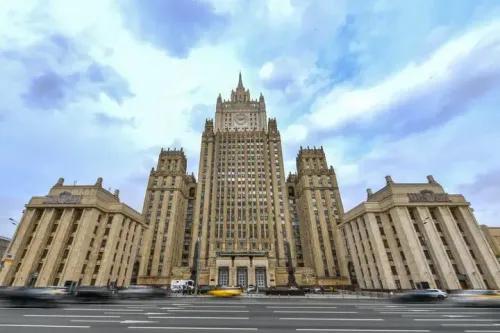
Russia's Foreign Ministry on 28 May 2025 warned that US-Japan joint exercises deploying the Typhon missile system threaten its Far Eastern borders.
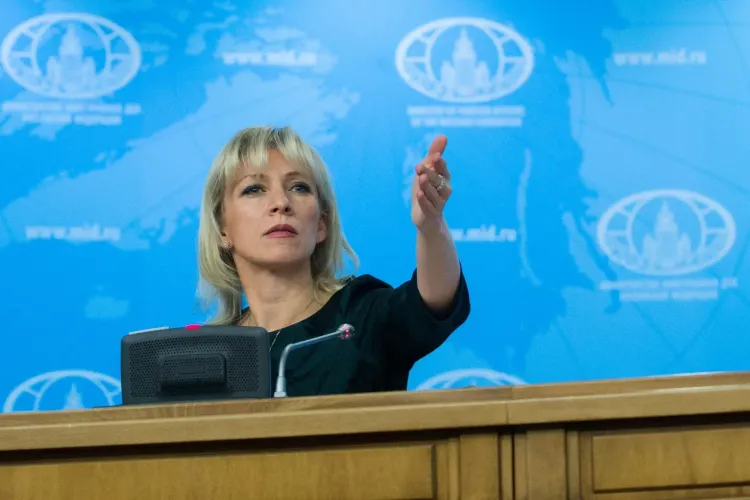
Spokesperson Maria Zakharova said Russia is preparing 'compensatory military-technical measures' in response.
Russia declared in August 2025 that it no longer considers itself bound by its moratorium on ground-based medium- and short-range missiles.
The US plans to deploy Typhon and HIMARS systems to Kanoya Air Base in Kagoshima Prefecture from June to September .
Japanese Foreign Minister Toshimitsu Motegi on 12 May confirmed Tokyo will not change its anti-Russian foreign policy stance.
Russia's Foreign Ministry on 28 May 2025 declared that US-Japan joint military exercises involving the deployment of the Typhon medium-range missile system on Japanese soil represent a direct threat to Moscow's security interests and its Far Eastern borders. The warning marks a sharp escalation in diplomatic rhetoric between Moscow and Tokyo over the expanding US military footprint in the Asia-Pacific.
What Moscow Said
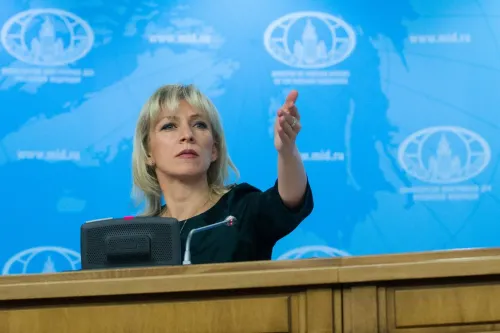
Foreign Ministry spokesperson Maria Zakharova stated that Russia views the provision of Japanese territory for the deployment of American medium- and shorter-range missile systems — 'regardless of whether this is done on an episodic, rotational, or permanent basis' — as a step that 'has a serious negative impact on the stability and security of the Asia-Pacific region and creates a direct threat to our Far Eastern borders.'
Zakharova further warned that 'the strategic risks arising from such provocative actions will be thoroughly analysed to develop the necessary compensatory military-technical measures of the strictest and longest possible nature,' signalling that Russia is preparing a formal military-technical response.
The Moratorium Russia No Longer Respects
Zakharova also recalled Russia's diplomatic statement from August 2025, in which Moscow declared it no longer considers itself bound by its self-imposed moratorium on the deployment of ground-based medium- and short-range missiles. That moratorium had been a unilateral Russian gesture following the collapse of the Intermediate-Range Nuclear Forces (INF) Treaty in 2019. Its formal abandonment now removes a key restraint on Russian missile deployments in the region.
The Exercises in Question
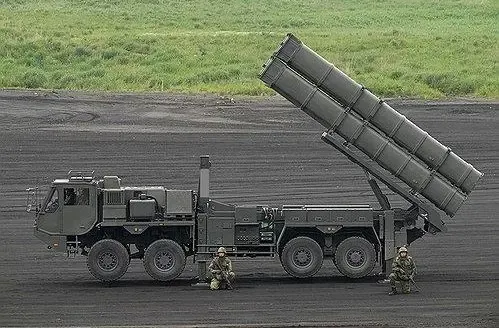
The trigger for Moscow's statement is a planned US military deployment to the Japan Self-Defence Force (JSDF) Kanoya Air Base in Kagoshima Prefecture, scheduled to run from June to September. According to reports citing Japanese news agency Kyodo, the US military intends to station Typhon medium-range missile systems at the base during this period. High Mobility Artillery Rocket System (HIMARS) multiple launch rocket systems are also set to be deployed as part of the exercises.
Japan's Position and the Ukraine Linkage
Russia's warning comes against a backdrop of deteriorating bilateral ties between Moscow and Tokyo. Zakharova referenced earlier Russian calls for Japan to rebuild the relationship, noting that on 12 May, Japanese Foreign Minister Toshimitsu Motegi stated that Tokyo, while recognising the importance of ties with Russia as a neighbouring state, 'does not intend to change its current anti-Russian foreign policy course.'
Zakharova argued that the dismantling of bilateral relations 'was initiated precisely at Japan's initiative,' and that Tokyo linked further cooperation with Russia to the situation in Ukraine — doing so, she claimed, 'under pressure, not from its own public, but from Washington.' Japan has not responded publicly to the latest Russian statement.
Strategic Context
This is not the first time Russia has raised objections to US missile systems being stationed near its borders. The Typhon system, which can launch Tomahawk cruise missiles and SM-6 interceptors, has drawn Russian concern wherever it has been deployed in the Indo-Pacific. Notably, this deployment comes as Washington deepens its security architecture across the region, with Japan having recently committed to a significant expansion of its own defence budget. How Moscow translates its 'compensatory military-technical measures' from rhetoric into action will be closely watched by regional capitals.
Point of View
Not spontaneous outrage. By invoking the abandoned INF moratorium and threatening 'military-technical countermeasures,' Russia is signalling it views the Indo-Pacific security build-up as directly linked to its own strategic posture — not a separate theatre. What mainstream coverage underplays is that the Typhon's range puts Russian Far East assets within strike distance, making this more than diplomatic noise. Tokyo's refusal to delink its Russia policy from Ukraine, and its deference to Washington over domestic opinion, has effectively closed the diplomatic off-ramp Moscow claims to be offering. The real question is whether Russia's 'compensatory measures' materialise as deployments in Kaliningrad, the Kurils, or somewhere closer to Japan — and whether that triggers a further ratchet in the US-Japan alliance posture.
NationPress
12 Oct 2026
Frequently Asked Questions
Why is Russia objecting to the US-Japan Typhon missile deployment?
Russia views the deployment of US medium- and shorter-range missile systems on Japanese territory as a direct threat to its Far Eastern borders and regional stability. Moscow argues that such deployments — whether temporary or permanent — undermine the security balance in the Asia-Pacific.
What is the Typhon missile system?
The Typhon is a US Army ground-based mid-range missile launcher capable of firing Tomahawk cruise missiles and SM-6 interceptors. It has a range that covers significant portions of the western Pacific, making its deployment in Japan a strategic concern for both Russia and China.
What exercises are planned and where?
The US military plans to deploy Typhon and HIMARS systems to the Japan Self-Defence Force's Kanoya Air Base in Kagoshima Prefecture for exercises running from June to September 2025, according to reports citing Japanese news agency Kyodo.
What did Russia mean by abandoning its missile moratorium?
In August 2025, Russia declared it no longer considers itself bound by its self-imposed moratorium on deploying ground-based medium- and short-range missiles — a restraint it had maintained unilaterally after the collapse of the INF Treaty in 2019. This opens the door for Russia to station such missiles closer to its western and eastern frontiers.
What is Japan's position on its Russia policy?
Japanese Foreign Minister Toshimitsu Motegi stated on 12 May that Tokyo recognises the importance of relations with Russia as a neighbour but will not change its current anti-Russian foreign policy course, which is linked to the situation in Ukraine.