Russia warns Japan's remilitarisation threatens its national security
Synopsis
Moscow has formally warned Tokyo that Japan's expanding military footprint near Russia's Far East — including medium-range missile deployments — constitutes a direct national security threat. With bilateral ties already frozen since Japan joined Western sanctions in 2022, Russia is now threatening 'compensatory measures,' raising the stakes in an already volatile Northeast Asian security environment.
Key Takeaways
Russia's Foreign Ministry warned on 16 September 2026 that Japan's remilitarisation and missile deployments near its Far Eastern borders threaten its national security.
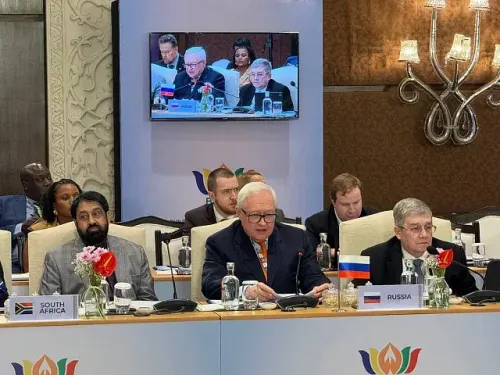
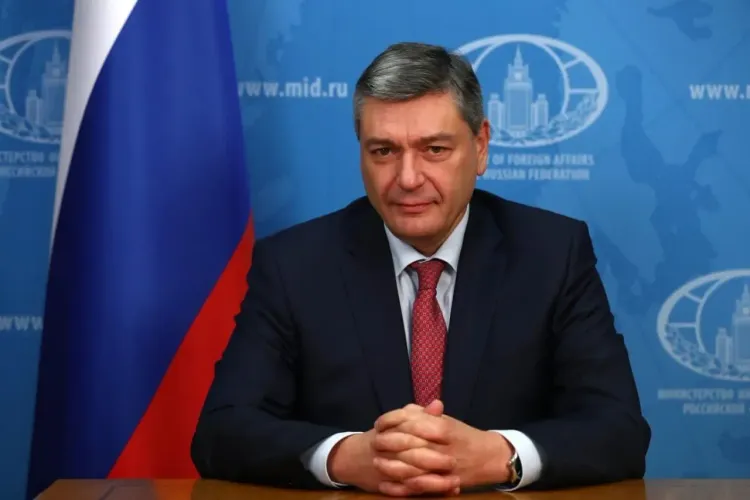
Deputy Foreign Minister Andrey Rudenko conveyed the warning directly to Japanese Ambassador Akira Muto during a meeting in Moscow .
Russia threatened 'necessary compensatory measures' if Japan's military activities near its borders continue.
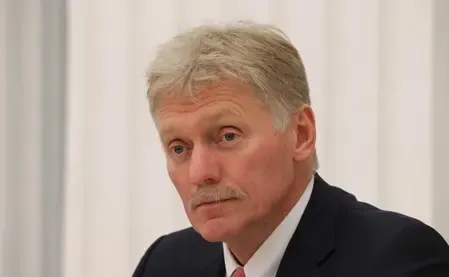
Kremlin spokesperson Dmitry Peskov called Japan's stance 'extremely unfriendly,' citing its participation in anti-Russia sanctions.
Since 2022 , Russia has suspended bilateral peace treaty talks, halted visa-free access to the Southern Kuril Islands , and withdrawn from joint economic activity negotiations.
Russia's Foreign Ministry on Wednesday, 16 September 2026 formally warned that Japan's remilitarisation and the deployment of medium-range missile systems near Russia's Far Eastern borders constitute a direct threat to Russian national security. The warning was delivered during a high-level diplomatic meeting in Moscow, signalling a sharp deterioration in already-strained bilateral ties.
Key Developments
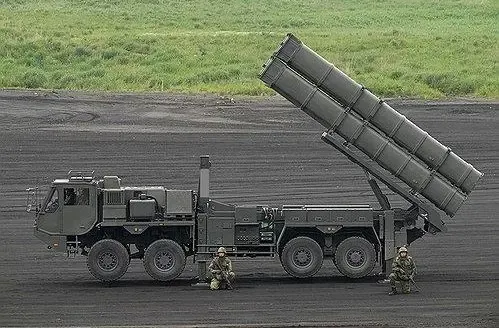
Russian Deputy Foreign Minister Andrey Rudenko conveyed the concerns directly to Japanese Ambassador to Russia Akira Muto during a formal meeting. Rudenko criticised Japan's expanding military cooperation with the United States and other Western allies in the region, with particular focus on the stationing of medium-range missile systems on Japanese territory in proximity to Russia's eastern frontier.
'All these moves constitute a direct threat to Russia's national security, as well as peace and stability in Northeast Asia,' the Russian Foreign Ministry said in an official statement. Moscow added that if such activities continue, Russia will take 'necessary compensatory measures' to maintain an adequate level of its defence capability.
Kuril Islands and Bilateral Friction
The Russian side also took aim at Tokyo's protest over President Vladimir Putin's recent visit to the Southern Kuril Islands — referred to as the Northern Territories in Japan — as well as Japan's expanded military assistance to Kyiv. The Kuril Islands dispute has been a decades-long flashpoint between the two nations, and Putin's visit deepened that wound.
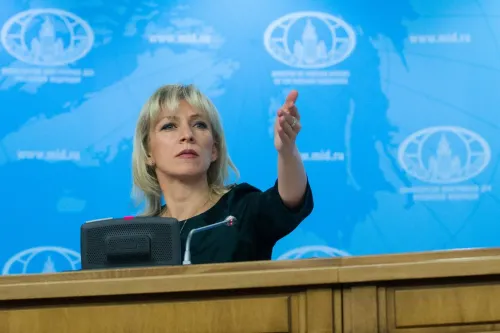
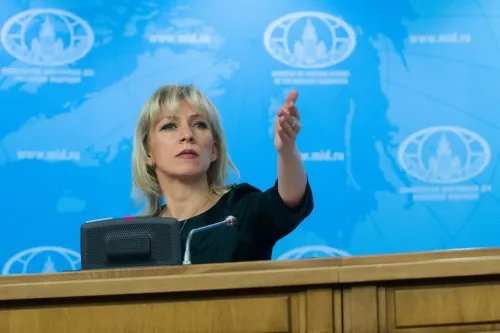
Foreign Ministry spokeswoman Maria Zakharova, speaking on the sidelines of the International Festival of Youth in Yekaterinburg, responded to Tokyo's call to resume visa-free visits by Japanese citizens to the Kuril Islands. 'One simply needs to behave decently, remember that diplomacy exists and stop creating additional problems on top of all those already created by them in bilateral relations,' Zakharova said.
Kremlin's Position
Kremlin spokesperson Dmitry Peskov described Japan's current posture as an 'extremely unfriendly position' toward Russia, pointing to Japan's participation in Western-led anti-Russia sanctions as the chief obstacle to any diplomatic reciprocity. Peskov indicated that meaningful concessions from Moscow's side remain unlikely under present circumstances.
Background: How Relations Unravelled
Japan's alignment with Western sanctions against Russia following the 2022 invasion of Ukraine triggered a cascade of retaliatory measures from Moscow. Russia suspended bilateral peace treaty negotiations — a process that had been ongoing for decades without resolution — halted visa-free travel for Japanese nationals to the Southern Kuril Islands, and withdrew from talks on joint economic activities in the disputed islands. The latest exchange marks a further hardening of both sides' positions and dims prospects for near-term normalisation.
What Happens Next
Analysts will watch whether Japan responds through diplomatic channels or deepens its security cooperation with Washington, particularly given ongoing discussions under the US-Japan Mutual Defense Treaty. Russia's threat of 'compensatory measures' leaves open questions about the nature of any potential military posturing in the Far East. The standoff also adds fresh complexity to the broader Northeast Asian security architecture, already under pressure from tensions over the Korean Peninsula and the Taiwan Strait.
Point of View
Leaving Moscow maximum flexibility to escalate militarily in the Far East without committing to a specific response. What is notable is the timing: as NATO's eastern flank hardens and US-Japan security ties deepen, Russia is signalling that it views the Pacific theatre as another front in its broader confrontation with Western alliances. Tokyo, caught between economic interdependence with the West and geographical proximity to Russia, faces shrinking room for manoeuvre. The Kuril Islands dispute, unresolved since 1945, now carries fresh military weight — and the window for the low-stakes diplomacy that once kept it manageable appears to be closing.
NationPress
16 Sept 2026
Frequently Asked Questions
Why is Russia warning Japan about remilitarisation?
Russia's Foreign Ministry warned Japan on 16 September 2026 that its expanding military cooperation with the US and Western allies, including the deployment of medium-range missiles near Russia's Far Eastern borders, poses a direct threat to Russian national security. Moscow has pledged to take compensatory measures if the activities continue.
What are the Southern Kuril Islands and why do they matter?
The Southern Kuril Islands are a chain of Russian-administered islands claimed by Japan, which calls them the Northern Territories. The dispute dates to the end of World War II and has prevented the two countries from signing a formal peace treaty for over seven decades. Russia's suspension of related talks since 2022 has further deepened the impasse.
How have Russia-Japan relations deteriorated since 2022?
After Japan joined Western-led sanctions against Russia in 2022 over the invasion of Ukraine, Moscow suspended bilateral peace treaty negotiations, halted visa-free visits by Japanese nationals to the Southern Kuril Islands, and withdrew from talks on joint economic activities in the islands. The latest exchange marks a further hardening of positions.
What did Kremlin spokesperson Dmitry Peskov say about Japan?
Peskov described Japan's current posture as an 'extremely unfriendly position' toward Russia, citing its participation in anti-Russia sanctions as the main obstacle to diplomatic reciprocity. He indicated that Moscow sees little basis for concessions under present circumstances.
What could Russia's 'compensatory measures' involve?
Russia has not specified what compensatory measures it would take, leaving the threat deliberately ambiguous. Analysts suggest it could include enhanced military deployments in Russia's Far East, increased naval activity near Japanese waters, or further suspension of diplomatic and economic engagement with Tokyo.