Foreign powers back regime change bid: Assam CM Himanta on CEC protests
Synopsis
Assam CM Himanta Biswa Sarma has accused foreign powers of backing a regime-change plot in India, tying the recent protests against CEC Gyanesh Kumar to forces frustrated by the Modi government's crackdown on Naxalism, peace in the Northeast, and military action against Pakistan — without naming the powers or citing evidence.
Key Takeaways
Assam CM Himanta Biswa Sarma alleged on 12 October that foreign powers are encouraging a regime-change bid in India without popular support.
He linked protests against CEC Gyanesh Kumar to 'frustrated elements' allegedly backed by anti-India foreign interests.
Sarma cited the Modi government's actions against Naxalism , peace in the Northeast , and military action inside Pakistan as triggers for the alleged campaign.
The Chief Minister did not name the foreign powers or provide specific evidence for his claims.
The remarks escalate the BJP 's political offensive, framing opposition challenges as threats to national interest rather than legitimate democratic dissent.
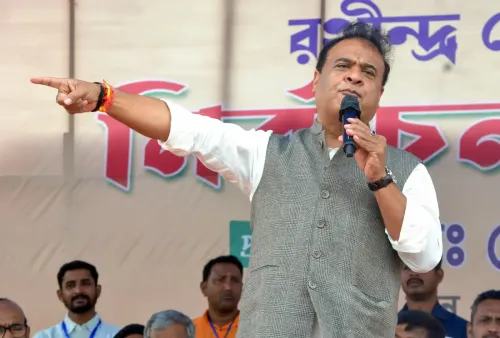
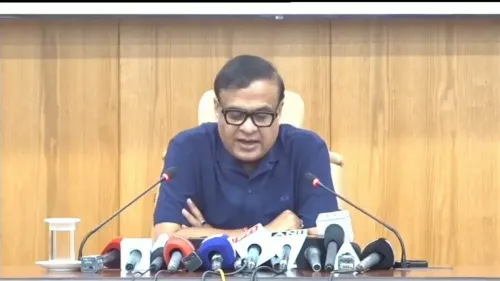
Assam Chief Minister Himanta Biswa Sarma on Monday, 12 October alleged that certain political forces were orchestrating a regime change in India without popular mandate, claiming the effort was being actively encouraged by foreign powers opposed to the country's rise as a stronger nation. His remarks, made to reporters in Guwahati, came amid heightened confrontation between the ruling Bharatiya Janata Party (BJP) and the opposition over democratic institutions and the conduct of elections.
The Allegation and Its Context
Sarma directly linked the recent protests centred on allegations against Chief Election Commissioner (CEC) Gyanesh Kumar to what he described as a coordinated campaign by 'frustrated elements.' He argued that the protests were not organic political dissent but part of a broader effort to destabilise the Narendra Modi government. 'There is an attempt to inflict a regime change in India without popular support,' Sarma said, alleging that foreign powers who did not want India to grow were backing the movement.
Notably, the Chief Minister did not provide specific evidence in his remarks to reporters, nor did he identify by name the foreign powers he claimed were involved in the alleged plot.
Security Policies at the Heart of the Charge
Sarma argued that frustration among these forces stemmed from the Modi government's decisive actions on multiple security fronts. He cited strong Centre action against Naxalism, the restoration of peace in the Northeast, and India's military response inside Pakistan as developments that had unsettled forces opposed to India's emergence as a powerful nation. The Assam Chief Minister has repeatedly defended the Centre's security policies and reinforced his position on Monday by framing these achievements as the very reason dissenting groups were escalating their campaign.
The term 'dimagi Naxal' — used in political discourse to describe those accused of supporting Naxal ideology through intellectual or political means — has also featured in the broader national debate over the government's approach to dissent and internal security, providing context for the rhetorical escalation seen in Sarma's remarks.
BJP's Political Offensive Against the Opposition
Sarma's latest statement signals an escalation in the BJP's political offensive, framing the challenge to the Modi government not merely as electoral opposition but as an alleged attempt to undermine India's national interests. The remarks position the ruling party's critics as operating in alignment with anti-India foreign interests — a characterisation that the opposition is expected to firmly contest.
This comes amid the Congress and other opposition parties raising pointed questions about the functioning of democratic institutions, including the role and conduct of the Election Commission of India. The BJP's counter-narrative, articulated by Sarma, seeks to delegitimise those questions by associating them with foreign-backed destabilisation efforts.
Opposition Expected to Push Back
The allegations are likely to sharpen the political exchange between the BJP and Congress in the days ahead. The opposition is expected to contest Sarma's characterisation of its activities as anti-national, and may demand that the Chief Minister substantiate his claims about foreign backing. Critics argue that invoking foreign interference without evidence is a pattern used to deflect accountability over democratic concerns. The political temperature is set to rise further as both sides entrench their positions ahead of upcoming electoral cycles.
Point of View
Reframe the critique as foreign-backed subversion. Tying protests over the CEC to Naxalism and Pakistan without a shred of named evidence is a rhetorical manoeuvre, not an intelligence briefing. The more important story is what the protests are actually about — concerns over the Election Commission's independence — which this framing is designed to crowd out. That the country's fourth-largest state's chief minister is making unsubstantiated foreign-interference claims against domestic protesters should itself draw scrutiny, not just the protests that prompted it.
NationPress
12 Oct 2026
Frequently Asked Questions
What did Assam CM Himanta Biswa Sarma allege about foreign powers?
Sarma alleged on 12 October 2026 that foreign powers opposed to India's growth were backing an attempt to bring about a regime change in India without popular support. He made the remarks in Guwahati while speaking to reporters, though he did not name the foreign powers or provide specific evidence.
How did Sarma link the CEC protests to foreign interference?
Sarma described the recent protests centred on allegations against Chief Election Commissioner Gyanesh Kumar as the work of 'frustrated elements' whose campaign was being encouraged by foreign powers. He argued these protests were part of a broader destabilisation effort rather than legitimate political opposition.
Why does Sarma say these forces are frustrated with the Modi government?
He claimed the frustration stems from the Modi government's strong action against Naxalism, its success in restoring peace in the Northeast, and India's military response inside Pakistan — developments he says have upset those who do not want India to emerge as a powerful nation.
What is the broader political context of Sarma's remarks?
The remarks come amid heightened confrontation between the BJP and the Congress, with the opposition raising questions about democratic institutions and the Election Commission's conduct. Sarma's statements represent an escalation in the BJP's political offensive, framing opposition criticism as an alleged anti-national effort.
What is 'dimagi Naxal' and why is it relevant here?
'Dimagi Naxal' is a term used in Indian political discourse to describe individuals accused of supporting Naxal ideology through intellectual or political means rather than armed action. It has featured in the wider debate over the government's approach to dissent and national security, providing context for the rhetorical register Sarma's remarks operate within.