SC upholds Bombay HC: 'Dua' for poll victory not a religious appeal
Synopsis
The Supreme Court has ruled that offering 'Dua' for electoral success is not a corrupt practice under election law — drawing a firm legal line between spiritual expression and soliciting votes on religious grounds. The ruling, which affirms the Bombay High Court's view, is set to become a reference point in Indian election law on religious conduct during campaigns.
Key Takeaways
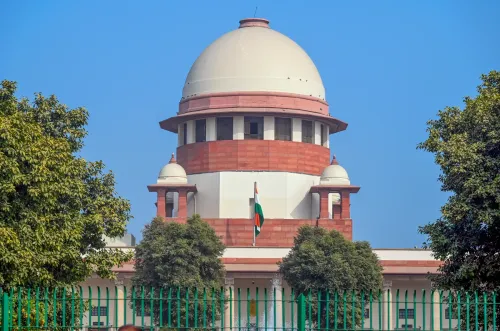
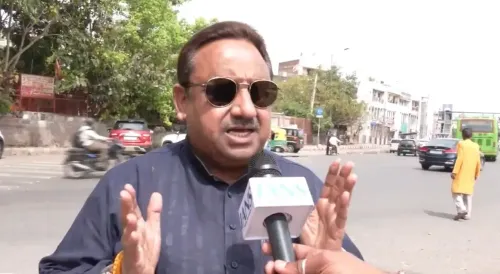
The Supreme Court on 25 September 2026 dismissed an appeal against the election of Mufti Mohammad Ismail Abdul Khalique (AIMIM) from Malegaon Central , Maharashtra.
The court upheld the Bombay High Court's finding that offering 'Dua' for electoral success does not amount to undue influence or soliciting votes on religious grounds.
The High Court held that saying 'Amen' in response to a prayer is 'materially distinct' from making a formal pledge to vote.
The legal test applied was Section 123(3) of the Representation of the People Act, 1951 — mere reference to religion without a direct appeal to vote on that basis does not constitute a corrupt practice.
The ruling was delivered by a Bench of Justices Vikram Nath, Augustine George Masih, and Sandeep Mehta .
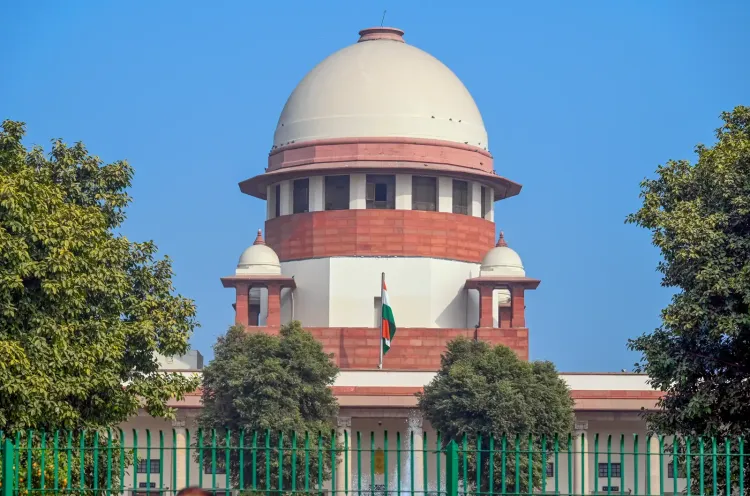
The Supreme Court on 25 September 2026 upheld the Bombay High Court's ruling that offering 'Dua' (prayer) for electoral success does not, by itself, constitute undue influence or solicitation of votes in the name of religion. The apex court dismissed an appeal challenging the election of All India Majlis-e-Ittehadul Muslimeen (AIMIM) candidate Mufti Mohammad Ismail Abdul Khalique from Maharashtra's Malegaon Central Assembly constituency.
The Bench and the Dismissal
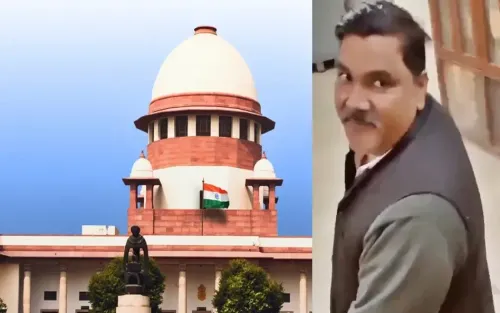
A three-judge Bench comprising Justice Vikram Nath, Justice Augustine George Masih, and Justice Sandeep Mehta dismissed the appeal filed by Samajwadi Party (SP) candidate Shaan-e-Hind Nihal Ahmed. Ahmed had challenged the Bombay High Court's earlier judgment that upheld Mufti Ismail's victory in the November 2024 Maharashtra Assembly elections.
The Core Allegation: 'Amen' as a Pledge
The central controversy before the High Court revolved around instances where Mufti Ismail allegedly offered 'Dua' for his electoral success at prayers and campaign meetings. The election petitioner contended that when attendees responded with 'Amen' to these prayers, it amounted to a collective pledge to vote for the candidate — and therefore constituted a corrupt practice under the Representation of the People Act, 1951.
The Bombay High Court rejected this argument. A single-judge Bench of Justice N. J. Jamadar held: 'By saying Amen, the person can be said to have agreed with or seconded the prayer for the electoral success of the Respondent No.1 (Mufti Ismail). However, saying Amen is materially distinct from making the pledge, which is in the nature of a formal promise or undertaking.'
Legal Test Under Section 123(3)
Applying the legal standard under Section 123(3) of the Representation of the People Act, the High Court concluded that a mere reference to religion or religious organisations, without an explicit appeal to vote for a candidate on religious grounds, does not by itself constitute a corrupt practice. Justice Jamadar further observed: 'As the Dua is essentially a form of communication by the believer with God, saying prayer for success in the election neither amounts to exercise of undue influence nor soliciting votes in the name of the religion.'
The election petition was rejected at the threshold, with the High Court finding it failed to make out a complete cause of action warranting a full trial.
Significance and What Stands Affirmed
With the Supreme Court dismissing Nihal Ahmed's appeal, all findings of the Bombay High Court — including its interpretation of 'Dua' in the electoral context — stand affirmed. This ruling adds to an evolving body of case law on what constitutes a religious appeal in election law. Notably, the judgment draws a clear legal distinction between spiritual expression during campaigning and a direct solicitation of votes on religious grounds. Critics of the decision may argue the line between the two remains difficult to define in practice, but the court has drawn it firmly here. The ruling is likely to be cited in future election petitions involving religious conduct during campaigns.
Point of View
Consistent with the High Court's, is that intent and directness matter: a prayer addressed to God is not an appeal addressed to voters. What the judgment does not fully resolve is how election tribunals should assess cases where the religious and political are more deliberately intertwined. As communal polarisation in electoral contests draws increasing scrutiny, this precedent will be tested in far murkier scenarios than the one before the court. The burden on future petitioners to demonstrate a direct, explicit link between religious appeal and vote-seeking has now been set considerably higher.
NationPress
25 Sept 2026
Frequently Asked Questions
What did the Supreme Court rule about offering 'Dua' during election campaigns?
The Supreme Court ruled that offering 'Dua' (prayer) for electoral success does not, by itself, constitute undue influence or solicitation of votes on religious grounds. It upheld the Bombay High Court's view that a prayer addressed to God is legally distinct from an appeal to voters based on religion.
What was the Bombay High Court's finding on respondents saying 'Amen'?
The Bombay High Court held that saying 'Amen' in response to a prayer for a candidate's electoral success is 'materially distinct' from making a formal pledge to vote. The court found it could not be equated with a collective commitment to vote for the candidate.
Which legal provision was at the centre of this case?
The case turned on Section 123(3) of the Representation of the People Act, 1951, which defines corrupt practices in elections. The High Court held that a mere reference to religion, without a direct appeal to vote on religious grounds, does not meet the threshold for a corrupt practice under this section.
Who were the parties in this Supreme Court case?
The appellant was Samajwadi Party candidate Shaan-e-Hind Nihal Ahmed, who challenged the election of AIMIM's Mufti Mohammad Ismail Abdul Khalique from Malegaon Central in the November 2024 Maharashtra Assembly elections. The Supreme Court Bench was led by Justice Vikram Nath.
What is the broader significance of this ruling for Indian election law?
The ruling affirms that spiritual or devotional expression during a campaign does not automatically amount to a corrupt practice. It raises the evidentiary bar for future election petitions alleging religious appeals, and is likely to be cited as a precedent in cases involving religious conduct during campaigning.