Supreme Court issues notice on PIL for women police protection during protests
Synopsis
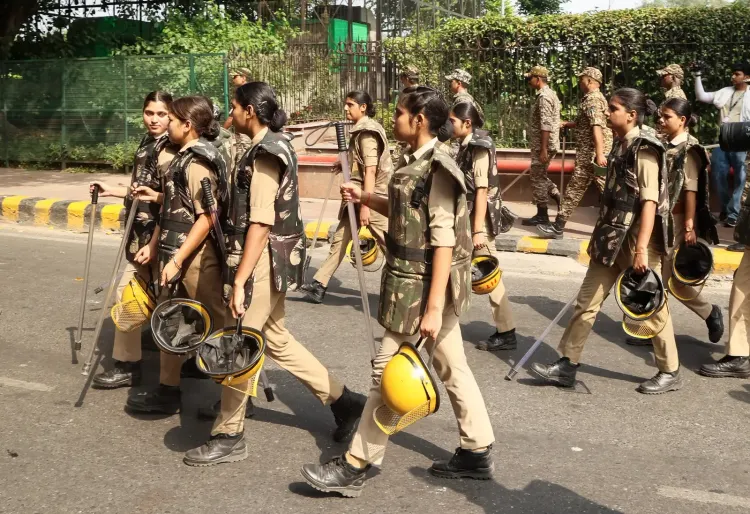
The Supreme Court has admitted a PIL demanding India's first standardised protocol for women police deployed at protests — covering field safety, AI-evidence authentication, and independent redressal. Filed against the backdrop of Delhi protests over electoral-roll revisions, the case puts a spotlight on a gap in national policing law that has never been formally addressed.
Key Takeaways
The Supreme Court issued notice to the Centre on 27 October 2026 on a PIL seeking a uniform women police protection protocol.
A Bench of CJI Surya Kant , Justice Joymalya Bagchi , and Justice V.
Mohana tagged the matter with related pending petitions; next hearing on 3 November .
The PIL, filed by advocate Ashish Gopal Garg , demands a Women Police Personnel Protection and Protest Management Protocol covering safety, evidence preservation, and redressal.
The petition references protests in New Delhi over the Special Intensive Revision (SIR) of electoral rolls and demands for CEC Gyanesh Kumar's resignation.
Key demands include mandatory preservation of CCTV and body-worn camera footage, forensic authentication of AI-generated material , and an independent complaints mechanism for women officers.
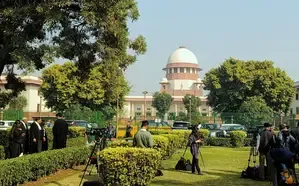
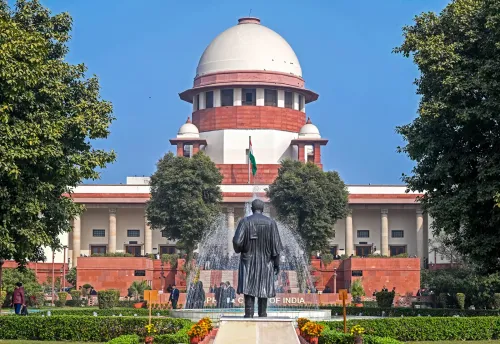
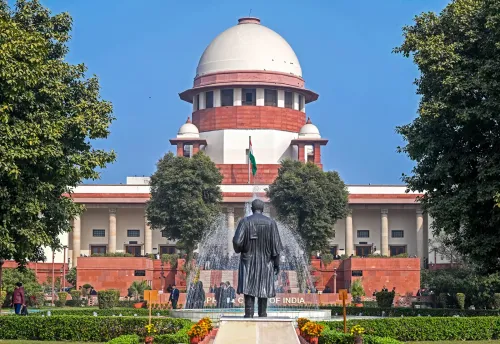
The Supreme Court of India on Tuesday, 27 October 2026, issued notice to the Centre on a public interest litigation (PIL) seeking a uniform national protocol for the safety of women police personnel deployed in public-order and protest-management duties. The matter has been tagged with a cluster of related pending petitions and listed for further hearing on 3 November.
The Bench and the Petition
A Bench comprising Chief Justice of India Surya Kant and Justices Joymalya Bagchi and V. Mohana admitted the notice on a petition filed by advocate Ashish Gopal Garg, through advocate-on-record (AoR) Shweta Garg. The PIL demands that the Centre frame a comprehensive legal and operational framework addressing three broad concerns: the safety of women police personnel in volatile deployments, the preservation and forensic authentication of electronic evidence including AI-generated material, and an independent redressal mechanism for misconduct allegations against police personnel.
What Prompted the Plea
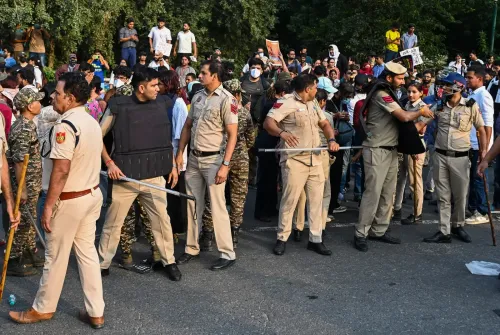
The petition references recent incidents in New Delhi connected to protests over the Special Intensive Revision (SIR) of electoral rolls and demands for the resignation of Chief Election Commissioner (CEC) Gyanesh Kumar. The petitioner flagged allegations of violence against police personnel, including women officers and constables, and raised alarm over the circulation of digitally manipulated material on social media that could distort evidence before courts or investigating agencies independently examine it.
Notably, the plea underscores a specific gender dimension to the risk — arguing that women police personnel are repeatedly deployed in crowded and volatile situations where they face dangers distinct from those confronting their male counterparts, yet no published protocol uniformly addresses their safety or provides for reporting and redressal of sexual harassment in the field.
Key Demands in the PIL
The petition has sought the framing of a Women Police Personnel Protection and Protest Management Protocol, along with directions for the mandatory preservation of CCTV footage, body-worn camera recordings, control-room footage, and related electronic evidence. It also calls for a standardised framework for the forensic authentication of disputed digital material, an effective complaints mechanism specifically for women police personnel, and an independent examination of all allegations of misconduct or violence involving police personnel at protests.
The petitioner has argued that the constitutional framework simultaneously obliges the state to protect the right to peaceful assembly and to act against violence, unlawful use of force, and sexual misconduct — both obligations demanding an objective assessment of reliable, authenticated evidence.
Broader Significance
This is not the first time the apex court has been asked to intervene on policing protocols. This comes amid a broader judicial conversation about police accountability and the integrity of digital evidence in an era where manipulated videos and images can rapidly influence public discourse and legal proceedings. The absence of a uniform national framework for women police deployed at protests has long been flagged by civil-society organisations, making the PIL's scope — spanning safety, evidence standards, and redressal — particularly comprehensive.
With the next hearing scheduled for 3 November, the Centre's response will be closely watched, particularly given the ongoing sensitivity around electoral-roll protests and the scrutiny on law-enforcement conduct in the capital.
Point of View
Viral videos of disputed authenticity, and allegations from multiple sides. The AI-evidence clause is the most forward-looking element; Indian courts have no settled framework for handling manipulated digital material, and the absence of one creates a structural vulnerability in any future prosecution or defence arising from protest incidents. The Centre's response to the notice will test whether the government treats this as a routine PIL or as an opportunity to set a national standard that is long overdue.
NationPress
27 Oct 2026
Frequently Asked Questions
What is the PIL filed in the Supreme Court about women police personnel?
The PIL seeks a court-directed national protocol for the safety of women police deployed at protests, covering field protection, reporting of sexual harassment, independent redressal of misconduct allegations, and the preservation and forensic authentication of electronic evidence including AI-generated material. It was filed by advocate Ashish Gopal Garg and admitted by the Supreme Court on 27 October 2026.
Why was this PIL filed now?
The petition was prompted by incidents during recent protests in New Delhi over the Special Intensive Revision (SIR) of electoral rolls and calls for Chief Election Commissioner Gyanesh Kumar's resignation. These protests involved allegations of violence against women police personnel and the circulation of digitally manipulated material on social media.
What specific protocol does the PIL demand?
The petition demands a Women Police Personnel Protection and Protest Management Protocol, along with mandatory preservation of CCTV footage, body-worn camera recordings, and control-room footage. It also calls for a forensic authentication framework for disputed digital material and an independent complaints mechanism for women police personnel.
When is the Supreme Court's next hearing on this matter?
The Supreme Court has listed the matter for further hearing on 3 November, having tagged it with a clutch of related pending petitions. The Centre is required to respond to the notice before that date.
Why does the PIL specifically address AI-generated evidence?
The petitioner flagged the risk that fabricated or digitally manipulated material — including AI-generated content — could be circulated as evidence before investigating agencies or courts can independently verify its authenticity. India currently lacks a uniform forensic standard for authenticating such material in protest-related legal proceedings, which the PIL seeks to address.