Why Did SC Refuse to Entertain Jan Suraaj's Petition Against Bihar Assembly Poll Results?
Synopsis
The Supreme Court has dismissed a plea from Jan Suraaj, led by Prashant Kishor, contesting the Bihar Assembly elections. The court's refusal to examine the case under Article 32 raises important questions about election fairness and the implications of financial incentives on democratic processes.
Key Takeaways
Supreme Court dismissed Jan Suraaj's petition.
Concerns raised about financial incentives in elections.
Petitioner encouraged to approach Patna High Court.
Broader issues of freebies under Supreme Court review.
Importance of maintaining electoral fairness emphasized.
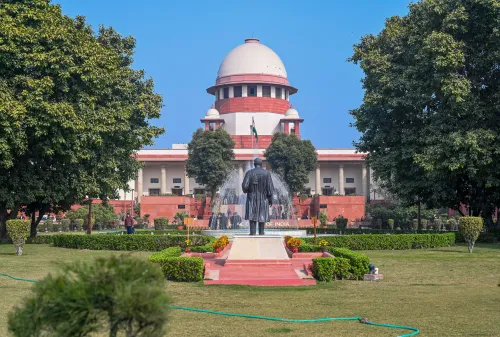
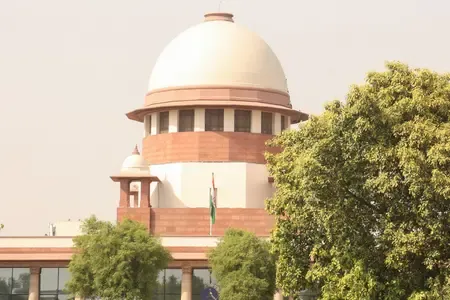
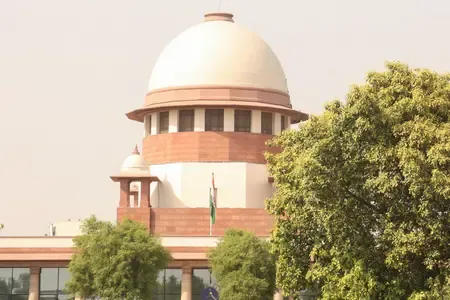
New Delhi, Feb 6 (NationPress) The Supreme Court on Friday declined to hear a writ petition submitted by Jan Suraaj, an organization established by political strategist Prashant Kishor, which contested the legitimacy of the 2025 Bihar Assembly elections and sought a directive for conducting new elections.
A panel consisting of Chief Justice of India (CJI) Surya Kant and Justice Joymalya Bagchi showed reluctance to scrutinize the case under Article 32 of the Constitution. Consequently, the petitioner opted to withdraw the petition while retaining the right to approach the Patna High Court.
Upon granting this liberty, the CJI-led panel dismissed the petition as withdrawn.
Senior advocate Chander Uday Singh, representing Jan Suraaj, argued that the Supreme Court was already considering the broader issue of the distribution of "freebies" during elections.
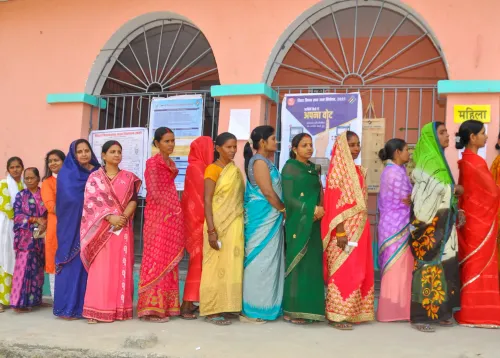
He claimed that in a financially strained state like Bihar, which holds a significant debt burden, the announcement of a scheme providing Rs 10,000 to women voters during the election period disrupted the level playing field and breached the Model Code of Conduct (MCC).
"How many votes did you secure? Once people reject you, you resort to the judicial system for relief!" the Apex Court remarked, adding that if the scheme was indeed problematic, it should have been contested at the appropriate time.
The CJI-led panel noted that the writ petition resembled a "composite election petition" seeking an overarching directive to annul the entire election.
It highlighted that the petition lacked a specific request to contest the cash transfer scheme itself.
When the senior counsel representing the petitioner suggested that the requests could be separated to specifically address the issue of freebies, the Supreme Court advised the petitioner to approach the Patna High Court.
The Apex Court clarified its intention to continue deliberating on the broader issue of freebies in other pending cases, but would not consider the current petition from a party that had lost the election.
"We will take the freebies issue seriously, but we must also assess the bona fides," it stated.
In its petition filed with the Top Court, Jan Suraaj argued that the disbursement of Rs 10,000 each via Direct Benefit Transfer (DBT) to one woman per family during the MCC and elections undermined the principles of free and fair elections.
It claimed that the Bihar government extended benefits under the Mukhyamantri Mahila Rojgar Yojana to approximately 25–35 lakh women voters during the Assembly election period, amounting to “gratification, bribery, and corrupt practices” by the ruling party.
The petition, submitted through advocate Aditya Singh, sought a declaration that the recent addition of beneficiaries under the scheme and the payments made during the election period were illegal, unconstitutional, and violated Articles 14, 21, 112, 202, and 324 of the Constitution.
Claiming extensive voter inducement, Jan Suraaj urged the Apex Court to instruct the Election Commission of India (ECI) to act under Article 324 of the Constitution and Section 123 of the Representation of the People Act, asserting that the DBT payments constituted corrupt electoral practices by the ruling party in Bihar.
The plea also questioned the presence of approximately 1.80 lakh women beneficiaries linked to self-help groups at polling booths during both voting phases, labeling it illegal and unjust.
Furthermore, it sought to establish comprehensive guidelines regarding freebies and DBT-based welfare schemes, advocating for a minimum time gap, ideally six months, for implementing such schemes prior to election announcements.
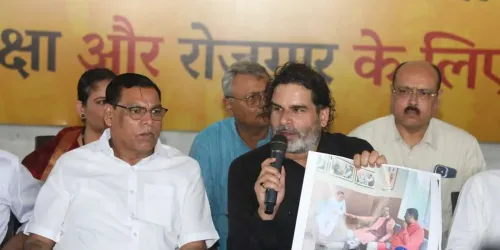
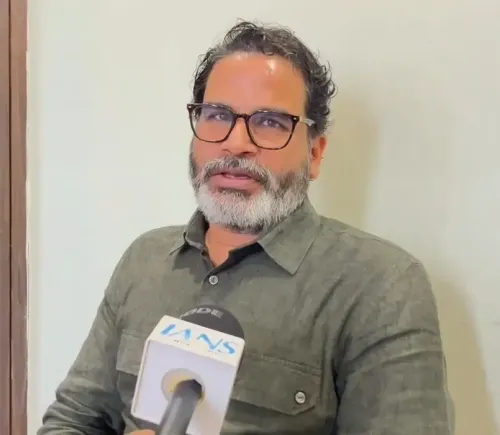
Following the Bihar Assembly election results, Prashant Kishor alleged that thousands of impoverished families were “bribed with Rs 10,000 each” in return for votes, denouncing it as a breach of democratic values and the constitutional principles established by B.R. Ambedkar.
It is noteworthy that the larger issue of electoral freebies is already under review by the Supreme Court in a pending petition lodged by advocate Ashwini Kumar Upadhyay, where the Apex Court has remarked that enticing promises made by political parties could lead states toward imminent bankruptcy and has referred the case to a three-judge panel.
In its 2013 ruling in Subramanian Balaji vs Tamil Nadu, however, the Supreme Court determined that the distribution of free color television sets by the DMK government following its victory in the Tamil Nadu Assembly elections could not be classified as a “corrupt practice” under the Representation of the People Act.
Point of View
I believe that the Supreme Court's decision not to entertain Jan Suraaj's plea highlights the complex interplay between electoral fairness and the role of financial incentives in politics. It is crucial that we remain vigilant in upholding democratic values while ensuring that all parties are held accountable to the same standards.
NationPress
26 Aug 2026
Frequently Asked Questions
What was the Supreme Court's decision regarding Jan Suraaj's petition?
The Supreme Court refused to entertain the writ petition filed by Jan Suraaj, allowing the petitioner to withdraw the plea but retaining the right to approach the Patna High Court.
What were the main arguments presented by Jan Suraaj?
Jan Suraaj argued that the disbursal of Rs 10,000 to women voters during the election period violated the Model Code of Conduct and disrupted the level playing field.
How did the Supreme Court respond to the arguments?
The Supreme Court expressed that if the scheme was objectionable, it should have been challenged at the appropriate time and directed the petitioner to approach the Patna High Court.
What broader issues related to electoral freebies is the Supreme Court considering?
The Supreme Court is already reviewing the broader issue of freebies in elections in other pending cases, emphasizing the need to examine the impact of such practices on democratic processes.
What implications does this decision have for future elections?
The decision underscores the importance of addressing financial incentives in electoral campaigns and ensuring fair competition among all parties.