Amit Shah launches FCRA 2.0 Portal and e-OCI Card for 50 lakh diaspora members
Synopsis
India's Home Minister Amit Shah has simultaneously overhauled two major administrative systems in a single event — the FCRA 2.0 Portal tightens real-time surveillance of foreign funds flowing into 14,500 organisations, while the e-OCI Card ends the decades-old booklet re-issuance headache for over 50 lakh diaspora members. The twin launch signals a deliberate push to make compliance frictionless for the law-abiding while closing loopholes for bad actors.
Key Takeaways
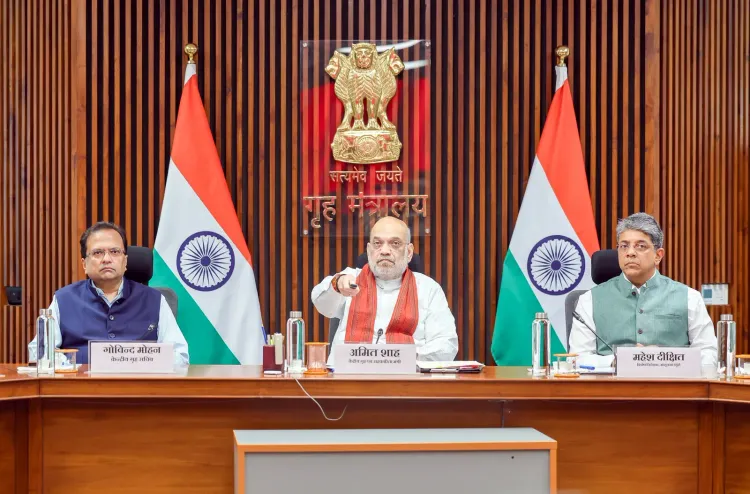
Union Home Minister Amit Shah launched the FCRA 2.0 Portal and e-OCI Card in New Delhi on 30 June .
The FCRA 2.0 Portal digitises all processes end-to-end for approximately 14,500 active FCRA organisations , handling 15,000–20,000 applications and 17,000 annual returns annually.
The portal is hosted on MeghRaj (National Government Cloud) and integrates with PAN, Aadhaar, OCI, NGO Darpan , and ICAI's UDIN system .
The e-OCI Card eliminates the requirement to re-issue the OCI booklet on passport renewal, benefiting more than 50 lakh OCI cardholders .
An AI-powered chatbot , FCRA mobile app , and bank dashboard are slated for launch in the coming months.
The FCRA Amendment Rules, 2026 have been incorporated into the new portal framework.
Union Home Minister Amit Shah on Tuesday, 30 June launched two major digital governance initiatives in New Delhi — the FCRA 2.0 Portal and the Electronic Overseas Citizen of India (e-OCI) Card — aimed at streamlining foreign contribution monitoring and transforming OCI services for the global Indian diaspora. The launches mark a significant upgrade to systems that govern how foreign funds flow into Indian organisations and how more than 50 lakh OCI cardholders manage their credentials.
What the FCRA 2.0 Portal Changes
The upgraded portal has been built to monitor and enforce all provisions of the Foreign Contribution (Regulation) Act (FCRA), including the recently enacted FCRA Amendment Rules, 2026. All major processes — applications, renewals, annual returns, and ancillary services — have been made fully digital on an end-to-end basis, eliminating the need for physical document submission.
The platform is hosted on MeghRaj, the National Government Cloud, and integrates with key databases including PAN, Aadhaar, OCI, NGO Darpan, and the ICAI's UDIN system. Features such as e-Sign-based authentication, Optical Character Recognition (OCR)-based document analysis, and an integrated login-based dashboard are built into the system. According to officials, hosting on MeghRaj significantly reduces the risk of data theft.
Shah said the earlier FCRA system was 'entangled in files and procedures' and lacked adequate oversight. 'The renewal of the FCRA portal today will greatly enhance ease of operations for organisations,' he said, adding that 'reducing paperwork and ensuring real-time effective monitoring of foreign contributions is very important for the country's security.'
Scale of the System
The scale of FCRA operations underscores why a technology overhaul was necessary. Approximately 14,500 active FCRA organisations operate across India. Each year, the system receives between 15,000 and 20,000 applications and around 17,000 annual returns. API-based integration with major government databases is expected to enable faster verification and more accurate compliance tracking.
Upcoming additions to the platform include an AI-powered chatbot, a dedicated online dashboard for banks, and a mobile application — all slated for launch in the coming months.
The e-OCI Card: What It Means for the Diaspora
The e-OCI Card is a fully digital reimagining of the existing OCI booklet system. Under the new arrangement, applicants can complete the entire OCI process online — from submitting the application and uploading documents to downloading the digitally generated card post-approval.
Critically, the longstanding requirement to re-issue the OCI booklet every time a new passport is issued after 20 years has been eliminated. Cardholders will instead need to update their passport details online when a new passport is issued. Each cardholder's registration number will now be unique, reducing duplication and administrative errors. Existing holders can obtain the e-OCI Card digitally in most cases without a fresh application or physical verification.
Shah noted that the digital format also resolves the persistent problems of lost or damaged OCI booklets, and enables real-time self-verification by cardholders.
The Governance Framework Behind the Launches
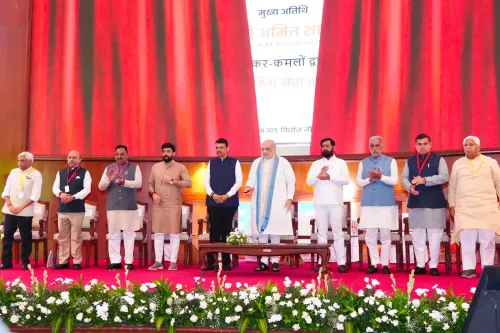
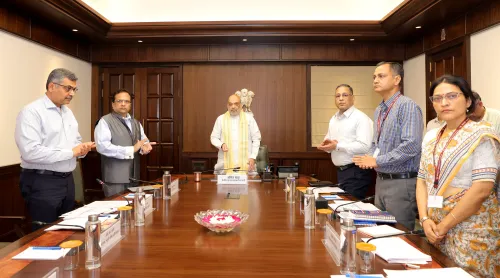
Present at the event were the Union Home Secretary, the Foreign Secretary, and the Director of the Intelligence Bureau (IB). Shah framed both initiatives within Prime Minister Narendra Modi's 'Minimum Government, Maximum Governance' policy articulated in 2014. 'When the intention is clear, the policy transparent, and there is a mindset to embrace technology, then all forms of governance become very easy for honest people,' Shah said, adding that a 'strict surveillance system has been put in place for wrongdoers.'
Both platforms are expected to strengthen national security by improving oversight of foreign contribution receipts and utilisation, while simultaneously reducing compliance burdens on legitimate organisations and diaspora members. With the AI chatbot and mobile app still to follow, the full digital ecosystem is expected to be operational within the next few months.
Point of View
But the real test will be whether AI-assisted monitoring can distinguish legitimate civil society funding from politically inconvenient foreign inflows. The e-OCI Card reform is arguably overdue: the booklet re-issuance requirement was a bureaucratic relic that cost the diaspora time and money with no security benefit. What remains to be seen is whether the 'strict surveillance system' Shah referenced will be applied evenhandedly across ideological lines, or become a selective compliance tool — a concern that civil society organisations have raised with earlier FCRA amendments.
NationPress
29 Sept 2026
Frequently Asked Questions
What is the FCRA 2.0 Portal launched by Amit Shah?
The FCRA 2.0 Portal is a fully digital platform for managing all processes under the Foreign Contribution (Regulation) Act, including applications, renewals, and annual returns. Launched on 30 June in New Delhi, it is hosted on the National Government Cloud (MeghRaj) and integrates with PAN, Aadhaar, NGO Darpan, and other government databases to enable real-time monitoring of foreign contributions.
What is the e-OCI Card and how is it different from the existing OCI booklet?
The e-OCI Card is a fully digital version of the Overseas Citizen of India credential, replacing the physical OCI booklet. Unlike the old system, it eliminates the requirement to re-issue the booklet every time a new passport is issued after 20 years, and allows cardholders to carry out real-time self-verification digitally.
Who benefits from the e-OCI Card launch?
More than 50 lakh OCI cardholders globally stand to benefit. Existing holders can obtain the e-OCI Card digitally in most cases without a fresh application or physical verification, and new applicants can complete the entire process online.
What new features will be added to the FCRA 2.0 Portal in the coming months?
An AI-powered chatbot, a dedicated online dashboard for banks, and a mobile application are all slated for launch in the coming months, according to Home Minister Amit Shah. These will complement existing features such as e-Sign authentication, OCR-based document analysis, and an integrated dashboard.
How many organisations and applications does the FCRA system handle each year?
Approximately 14,500 active FCRA organisations operate across India. The system processes between 15,000 and 20,000 applications and around 17,000 annual returns every year, which necessitated a modern, technology-enabled platform to manage volume and ensure compliance.