MK Stalin backs CJP amid DMK push for third front at national level
Synopsis
After losing Tamil Nadu and being cut off by Congress joining the rival TVK coalition, DMK's MK Stalin is signalling solidarity with arrested CJP activists and holding quiet talks with Mamata Banerjee, Sharad Pawar, and Uddhav Thackeray — but the third front he is probing has no structure, no programme, and no confirmed partners yet.
Key Takeaways
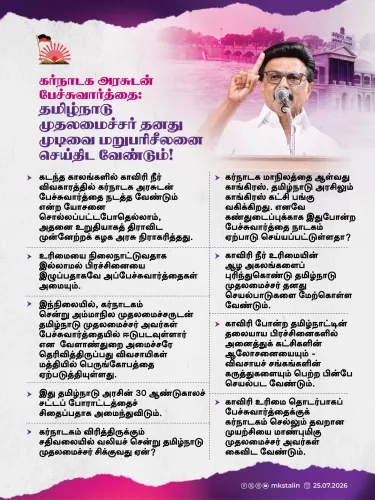
Stalin condemned the Delhi Police arrest of CJP functionaries Saurav Das and Ashutosh Ranka at Jantar Mantar and offered legal assistance.
CJP founder Abhijeet Dipke thanked Stalin for the gesture, sparking third-front speculation.
No formal alliance between the DMK and CJP has been announced.
DMK deputy general secretary Kanimozhi has previously met Mamata Banerjee , Sharad Pawar , and Uddhav Thackeray on third-front possibilities — without a concrete outcome.
The DMK is politically isolated after Congress joined the rival TVK -led coalition, securing two ministerial posts following the Tamil Nadu Assembly election defeat.
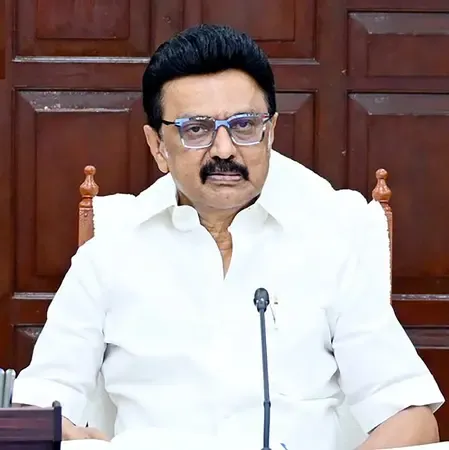
Dravida Munnetra Kazhagam (DMK) president M.K. Stalin has expressed solidarity with the Citizens for Justice and Peace (CJP) following the arrest of its functionaries in Delhi, fuelling speculation that the DMK is actively exploring a third political front outside the Bharatiya Janata Party (BJP) and Congress-led national alliances. The outreach, however, has not yet translated into any formal alliance or agreement, with the proposed front remaining undefined in both structure and programme.
The Arrests That Triggered the Outreach
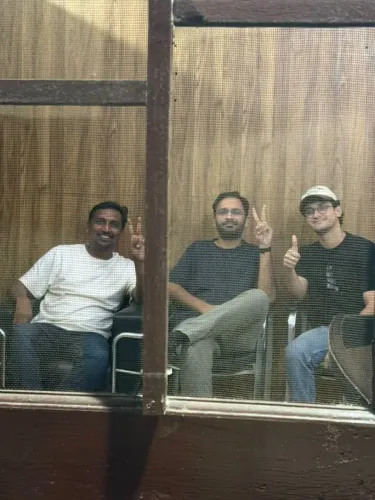
Delhi Police arrested CJP functionaries Saurav Das and Ashutosh Ranka for allegedly entering the Jantar Mantar area without authorisation during protests demanding the resignation of Chief Election Commissioner Gyanesh Kumar over the special revision of electoral rolls. Stalin publicly condemned the arrests, questioned how many protesters the BJP-led government intended to detain, and offered the DMK's full legal assistance to the detained activists. CJP founder Abhijeet Dipke subsequently thanked Stalin for the gesture.
Why the DMK Is Looking Beyond Existing Blocs
The DMK's political calculus has shifted sharply following its defeat in the Tamil Nadu Assembly election. The party had contested both the previous Lok Sabha and Assembly polls as part of the Congress-led INDIA bloc. After the Assembly setback, Congress broke ranks by joining the victorious TVK-led coalition and securing two ministerial positions — a move widely seen as a significant blow to the DMK. With the All India Anna Dravida Munnetra Kazhagam (AIADMK) now aligned with the BJP and the TVK associated with the Congress-led bloc, the DMK finds itself squeezed out of both principal national formations.
Contacts With Regional Leaders
The DMK's third-front ambitions are not new. DMK deputy general secretary Kanimozhi had earlier held meetings with All India Trinamool Congress (TMC) leader Mamata Banerjee, Nationalist Congress Party (NCP) leader Sharad Pawar, and Shiv Sena leader Uddhav Thackeray to explore the possibility of a third front. Notably, none of those contacts has produced a concrete arrangement to date. Political observers caution that the gap between exploratory dialogue and a functional national alliance remains considerable.
The Limits of Stalin's Signal
Analysts note that Stalin's statement on the CJP arrests was primarily framed around civil liberties and the right to protest rather than a formal political endorsement. While the gesture signals solidarity, whether it develops into a broader political understanding between the DMK and the CJP remains uncertain. The proposed third front has yet to acquire a common programme, an agreed leadership structure, or publicly committed partners beyond the preliminary contacts already made. As Stalin himself argued, jailing more young activists, in his view, would only deepen public opposition — a framing that keeps the DMK's engagement anchored in democratic rights rather than electoral arithmetic, at least for now.
Point of View
Stalin has no obvious alliance home — the BJP is off-limits ideologically and the Congress-led bloc has moved on. The CJP outreach is clever optics: it keeps Stalin visible on a civil liberties issue with national resonance without committing the DMK to any electoral arrangement. But the third front he is probing has a long history of not materialising — every such attempt since 1996 has dissolved before polling day. The real question is whether the DMK can convert regional grievance into national leverage, or whether these conversations remain boutique diplomacy that never scales.
NationPress
15 Oct 2026
Frequently Asked Questions
Why did MK Stalin support the CJP?
Stalin condemned the arrest of CJP functionaries Saurav Das and Ashutosh Ranka by Delhi Police during protests over the special revision of electoral rolls, and offered the DMK's legal assistance. His statement framed the issue as one of civil liberties and the right to protest.
What is the third front that the DMK is reportedly exploring?
It is a proposed political alliance of parties outside the BJP-led National Democratic Alliance and the Congress-led INDIA bloc at the national level. DMK's Kanimozhi has held preliminary talks with Mamata Banerjee, Sharad Pawar, and Uddhav Thackeray, but no formal arrangement has been reached.
Why is the DMK looking for alternatives to its existing alliances?
The DMK suffered a defeat in the Tamil Nadu Assembly election and subsequently lost Congress as an ally when Congress joined the victorious TVK-led coalition and secured two ministerial positions. With the AIADMK aligned with the BJP, the DMK finds itself outside both major national formations.
Has any formal alliance been announced between the DMK and CJP?
No. While Stalin expressed solidarity and offered legal help to arrested CJP functionaries, no alliance or formal agreement between the two parties has been announced. The proposed third front also lacks a defined structure or common programme.
What were the CJP functionaries arrested for?
Saurav Das and Ashutosh Ranka were arrested by Delhi Police for allegedly entering the Jantar Mantar area without authorisation during protests demanding the resignation of Chief Election Commissioner Gyanesh Kumar over the special revision of electoral rolls.