Supreme Court Permits Passive Euthanasia for Harish Rana, Ending Life-Sustaining Treatments
Synopsis
In a historic ruling, the Supreme Court has sanctioned passive euthanasia for Harish Rana, a Ghaziabad man in a vegetative state for nearly 13 years. This decision marks a significant milestone in India's legal approach to end-of-life care.
Key Takeaways
The Supreme Court has authorized passive euthanasia for Harish Rana.
Rana has been in a vegetative state for nearly 13 years following an accident.
The ruling allows the removal of all life-support systems.
This decision marks a significant legal precedent in India.
Rana will continue to receive care at AIIMS during this process.
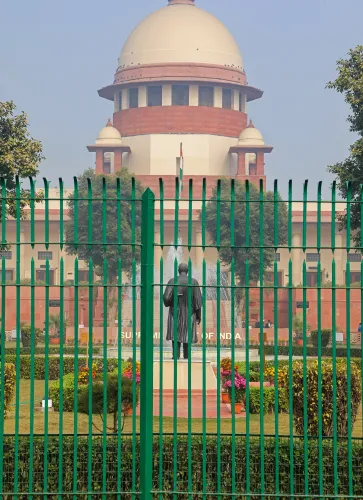
New Delhi, March 11 (NationPress) In a groundbreaking ruling, the Supreme Court has authorized passive euthanasia for Harish Rana, a 31-year-old resident of Ghaziabad who has been in a permanent vegetative state for nearly 13 years following severe head trauma from an accident.
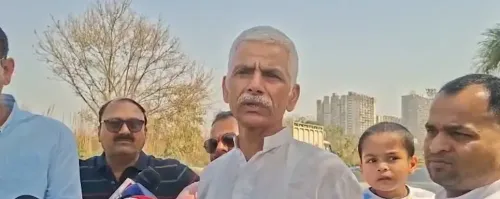
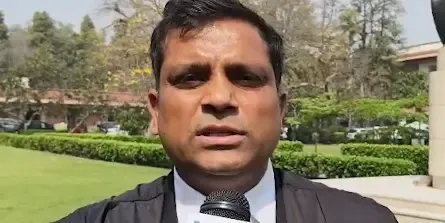
Advocate Manish Jain, who represents Rana’s family, confirmed that the court has approved the cessation of life-sustaining treatments, allowing him to exist in a natural state.
“The petition filed by Harish Rana has been accepted. The court has allowed him to remain in a natural condition, which means that all tubes and advanced life support systems will be taken away,” Jain informed IANS.
He further clarified that Rana will continue to receive medical attention at the All India Institute of Medical Sciences (AIIMS) in New Delhi. “He will stay at AIIMS, where they will provide comprehensive care for him for the remainder of his life,” the lawyer mentioned.
Since 2013, Rana has been in a vegetative state after falling from the fourth floor as a student, which resulted in grave head injuries.
Jain highlighted that Rana’s family has explored every possible treatment over the years, but unfortunately, there has been no improvement. “It has been 13 years. Everything feasible was attempted, but there was no recovery. The Supreme Court has now authorized passive euthanasia, allowing him to remain in a natural state,” he stated.
With medical professionals affirming that his condition is irreversible, the family sought the Supreme Court's permission for passive euthanasia.
This decision is regarded as a historic advancement and marks one of the initial instances in India where passive euthanasia has been sanctioned under judicial oversight.
The Supreme Court’s verdict was delivered after meticulous evaluation of medical documentation and legal frameworks governing end-of-life care.
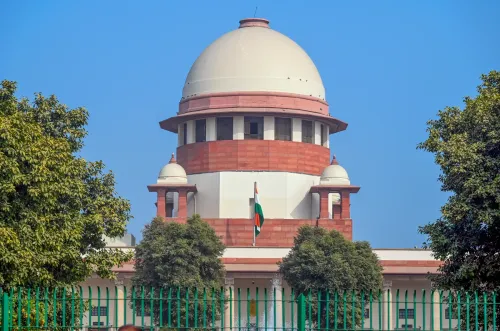
A Bench of Justices J.B. Pardiwala and K.V. Viswanathan approved the request submitted by Rana’s family, authorizing the withdrawal of life-sustaining treatment.
The court noted that the medical board may exercise its clinical discretion in line with the directives established by the Supreme Court in its landmark 2018 ruling in Common Cause vs Union of India, which recognized passive euthanasia and the right to die with dignity.
In granting the petition, the Justice Pardiwala-led Bench mandated that Rana be admitted to the palliative care unit at AIIMS, New Delhi, where the withdrawal of medical treatment will be administered under strict medical supervision.
“In our considered opinion, it would be appropriate for the medical board to utilize its clinical judgment regarding the cessation of treatment in accordance with the guidelines articulated in Common Cause vs Union of India,” asserted the apex court.
According to medical records, Rana has experienced a permanent vegetative state characterized by 100 percent disability and quadriplegia, necessitating continuous medical support for breathing, feeding, and daily care since the accident nearly 13 years ago.
Frequently Asked Questions
What is passive euthanasia?
Passive euthanasia refers to the withdrawal of life-sustaining treatments, allowing a patient to die naturally.
Who was Harish Rana?
Harish Rana is a 31-year-old man from Ghaziabad who has been in a permanent vegetative state since 2013 due to severe head injuries.
What did the Supreme Court decide regarding Harish Rana?
The Supreme Court permitted the withdrawal of life-sustaining treatments for Harish Rana, allowing passive euthanasia.
What does this ruling mean for future cases in India?
This ruling sets a precedent for the acceptance of passive euthanasia under judicial oversight in India.
Where will Harish Rana receive medical care after the ruling?
Harish Rana will continue to receive care at the All India Institute of Medical Sciences (AIIMS) in New Delhi.