Harish Rana, Pioneering Passive Euthanasia in India, Dies After 13-Year Coma

Synopsis
Harish Rana, the first Indian to be granted passive euthanasia, has died at AIIMS after a 13-year struggle in a coma. This landmark case raises profound questions about end-of-life care in India.
Key Takeaways
Harish Rana was the first Indian to receive approval for passive euthanasia.
He spent over 13 years in a coma due to a severe head injury.
The Supreme Court's decision marks a significant legal precedent for passive euthanasia in India.
Rana’s case highlights the challenges and ethical dilemmas surrounding end-of-life care.
The decision reflects evolving perspectives on patient rights and dignity in death.
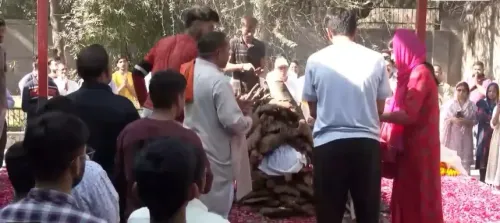
New Delhi, March 24 (NationPress) Harish Rana, recognized as the first individual in India to receive approval for passive euthanasia, sadly passed away on Tuesday at the All India Institute of Medical Sciences (AIIMS), New Delhi, after spending over 13 years in a coma.
The 31-year-old had been in a permanent vegetative state since 2013 due to a severe head injury. He was transferred from his home in Ghaziabad to the palliative care unit at the Dr B.R. Ambedkar Institute Rotary Cancer Hospital at AIIMS on March 14, where the process of withdrawing life-sustaining treatment commenced following court directives.
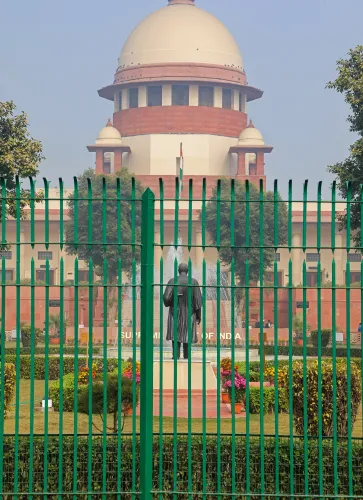
On March 11, the Supreme Court permitted passive euthanasia for Rana, allowing the cessation of life support under stringent medical oversight. A Bench comprising Justices J.B. Pardiwala and K.V. Viswanathan ruled that the medical board could apply its clinical judgment in accordance with the principles established in the pivotal 2018 judgment in Common Cause vs Union of India, which affirmed the legality of passive euthanasia and living wills.
The Supreme Court, responding to a plea from Rana’s family, ordered his admission to AIIMS for end-of-life care, highlighting that he was enduring 100 percent disability, quadriplegia, and required continuous assistance for breathing and feeding through medical tubes.
Expert medical assessments determined that Rana's condition was irreversible, with minimal chances of recovery. He relied on a tracheostomy tube for breathing and a gastrostomy tube for nutrition.
The case originated from a petition filed by Rana’s parents in the Delhi High Court, seeking authorization for passive euthanasia. The High Court initially denied the request, leading the family to escalate the matter to the Supreme Court.
During earlier proceedings, the apex court examined alternatives, including home-based medical care, after the Union government suggested support such as nursing assistance, physiotherapy, and free medications. However, the family later returned to the Supreme Court, citing a decline in his condition and lack of improvement despite extended treatment.
Following a reserved verdict in January, the Supreme Court's decision to allow passive euthanasia marks a significant milestone in India’s ongoing legal and ethical discussions surrounding end-of-life care.
Rana's passing concludes a lengthy legal and medical battle faced by his family, while also shedding light on the intricate issues related to passive euthanasia in India.
Point of View
It’s imperative to approach Harish Rana's case with sensitivity. His passing following a landmark ruling for passive euthanasia underscores the complexities surrounding end-of-life decisions in India. This development signifies not only a legal precedent but also a societal reflection on how we perceive dignity in death.
NationPress
23 Sept 2026
Frequently Asked Questions
What is passive euthanasia?
Passive euthanasia involves the withdrawal of medical treatment with the intention to hasten the death of an individual who is terminally ill or in a persistent vegetative state.
Why was Harish Rana's case significant?
Rana's case was significant as it marked the first legal approval for passive euthanasia in India, raising important discussions about the rights of individuals regarding end-of-life care.
How did the Supreme Court contribute to Rana's case?
The Supreme Court allowed for passive euthanasia in Rana's case, enabling the withdrawal of life support under strict medical supervision, thereby setting a legal precedent.
What condition was Harish Rana in?
Harish Rana was in a permanent vegetative state, suffering from 100 percent disability and relying on medical assistance for basic functions.
What does this case mean for future euthanasia laws in India?
Rana's case opens avenues for further legal discussions on euthanasia, potentially influencing future legislation and societal attitudes towards end-of-life decisions.