Mumbai Sees Surge in Euthanasia Applications Post Harish Rana's Case
Synopsis
In a significant development after India's first court-sanctioned euthanasia, 75 individuals in Mumbai have requested euthanasia under specific conditions, awaiting BMC's response amidst the absence of clear guidelines.
Key Takeaways
The BMC has received 75 applications for euthanasia in Mumbai.
Individuals are seeking euthanasia due to serious health conditions.
The BMC cannot process these applications without clear guidelines.
Harish Rana's case has highlighted the demand for euthanasia in India.
Legal frameworks for euthanasia are being called for in light of recent events.
New Delhi, March 28 (NationPress) — Following India's inaugural court-sanctioned euthanasia case, a total of 75 individuals in Mumbai have filed requests for euthanasia under defined conditions. The Brihanmumbai Municipal Corporation (BMC), however, has not yet taken action on these applications due to the lack of explicit guidelines.
These individuals have expressed a desire for euthanasia should they find themselves enduring severe illness or a comatose state without hope for recovery. They have also completed 'living wills' and submitted them to the appropriate authorities.
Mumbai's Mayor, Ritu Tawde, commented on the situation, stating that while they are collecting and securely storing the applications, the BMC lacks the jurisdiction to process them. “We keep these euthanasia requests safe, but it is the family’s responsibility to act upon them. Although the court allows us to hold these letters, we do not have the capacity to implement them ourselves,” she clarified.
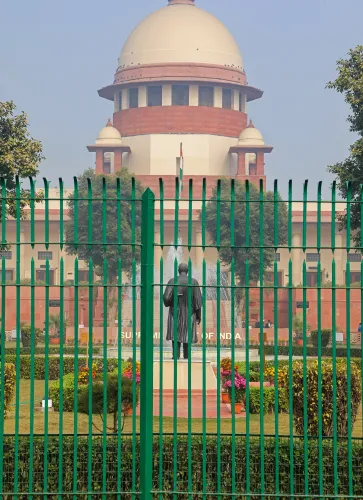
In light of a Supreme Court ruling that legalized passive euthanasia in India, the BMC has deployed medical officers across its wards to oversee living wills. Those wishing to file a living will must prepare the document in a notarized format and submit it to their respective ward office.
Currently, the BMC has accumulated 75 euthanasia applications. To enhance the process, reports indicate that the state government is developing an online platform or application to facilitate easier submissions.
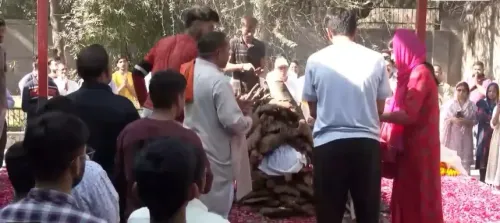
This surge in applications follows the death of Harish Rana, the first individual in India to obtain court-approved passive euthanasia. Rana, aged 31, passed at the All India Institute of Medical Sciences (AIIMS) in Delhi, where he had been receiving palliative care.
He had been in a coma since 2013 after a tragic fall from a fourth-floor balcony, resulting in severe head trauma. At the time of the incident, he was pursuing an engineering degree. The Supreme Court granted his parents permission to withdraw life support, marking a pivotal moment in India’s legal and medical landscape concerning end-of-life care.
Rana’s case has spurred a rising number of individuals to formally seek euthanasia, underscoring both the interest in the procedure and the necessity for clear legal and administrative frameworks. The BMC continues to securely maintain the applications, awaiting further direction on how to address and implement these living wills according to legal standards.
Point of View
It's essential to highlight the growing demand for euthanasia in India, especially following Harish Rana's case. The BMC's current inability to act on these applications due to unclear guidelines raises questions about the need for a structured legal framework for euthanasia in the country.
NationPress
26 Sept 2026
Frequently Asked Questions
Why are individuals applying for euthanasia in Mumbai?
Individuals are applying for euthanasia due to the desire to avoid prolonged suffering from serious illnesses or irreversible medical conditions.
What role does the BMC play in euthanasia applications?
The BMC collects and stores euthanasia applications but currently lacks the authority to process or implement them.
What are living wills?
Living wills are legal documents that outline a person's preferences for medical care in case they become unable to communicate their wishes.
What was the significance of Harish Rana's case?
Harish Rana's case was significant as it marked India's first court-approved passive euthanasia, setting a precedent for future cases.