Ceuta migrant crisis: Spain vows all irregular entrants will return to Morocco
Synopsis
Over 70,000 migrants crossed into Spain's Ceuta from Morocco in late July — roughly 100 died, and thousands remain stranded in overwhelmed reception centres. Spain's Foreign Minister has now drawn a firm line: every irregular entrant will be returned, as authorities brace for a possible second wave on 15 August.
Key Takeaways
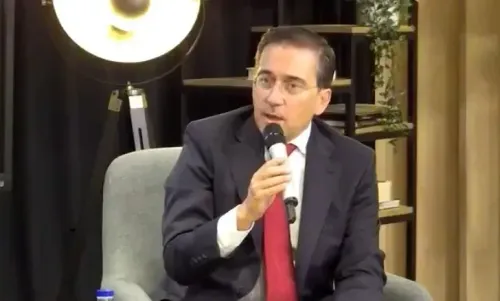
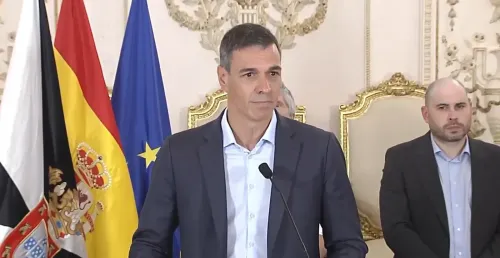
Spanish Foreign Minister Jose Manuel Albares visited Ceuta on Tuesday and confirmed all undocumented migrants who entered in late July will be returned to Morocco .
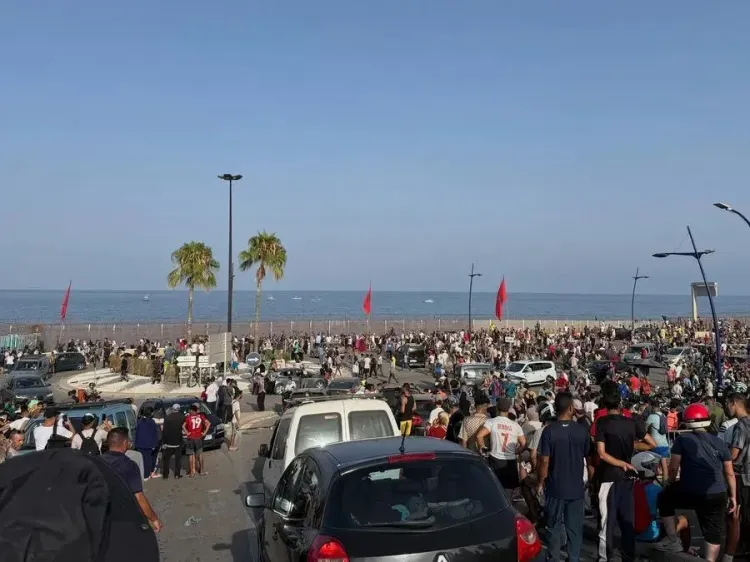
More than 70,000 people crossed the border illegally from Morocco into Ceuta at the end of July, according to Spanish government estimates.
Approximately 100 people died during the mass border crossing, according to Ceuta President Juan Jesus Vivas .
Between 3,000 and 5,000 migrants remain in the enclave; reception centres are overwhelmed and a humanitarian emergency has been declared.
Spanish authorities have cancelled all leave for military and Civil Guard personnel amid online reports of a planned second crossing on 15 August .
Vivas has called on the EU for stronger security, more reception resources, and greater support from EU agencies.
Spanish Foreign Minister Jose Manuel Albares has declared that every undocumented migrant who crossed into Spain's North African enclave of Ceuta in late July will be returned to Morocco, as Madrid intensifies diplomatic pressure to resolve one of the enclave's worst border crises in years. Albares made the announcement during a visit to Ceuta on Tuesday, underscoring the urgency of the situation on the ground.
Scale of the Crisis
According to Spanish government estimates, more than 70,000 people illegally crossed the border from neighbouring Morocco into Ceuta at the end of July. Ceuta President Juan Jesus Vivas told an extraordinary meeting of the European Parliament's Committee on Civil Liberties, Justice and Home Affairs that approximately 100 people died during the mass influx — a figure that has drawn sharp concern from EU lawmakers.
Vivas subsequently indicated that around 80,000 people entered the enclave in total, with nearly 75,000 having since returned voluntarily to Morocco. Between 3,000 and 5,000 migrants are still believed to be in the enclave, leaving reception centres overwhelmed and triggering what Vivas described as a severe humanitarian emergency.
What the Spanish Government Said
Albares was unambiguous in his position. 'No one has left the city for the mainland (Spain),' he said, directly countering online disinformation that reportedly misled many migrants into believing that crossing into Ceuta would grant them passage to mainland Spain or elsewhere in Europe.
'The diplomatic work we are doing with Morocco is aimed at returning all those who have entered irregularly,' he added, signalling that bilateral channels with Rabat remain the primary mechanism for managing the returns.
Security Alert Ahead of August 15
Spanish authorities have cancelled all leave for military personnel and Civil Guards stationed in Ceuta following online reports of plans for another mass border crossing on 15 August. The move reflects heightened anxiety that a second wave could compound an already strained situation, with reception infrastructure pushed well beyond capacity.
EU Pressure and Humanitarian Concerns
Vivas appealed directly to the European Parliament for stronger security measures, additional reception resources, and greater operational support from EU agencies. The crisis has reignited debate within the bloc about burden-sharing and the adequacy of the EU's external border management framework. This is not the first time Ceuta has witnessed a large-scale irregular crossing — a similar episode in May 2021 saw thousands enter the enclave in a single day — but the scale of the late-July influx is reported to be significantly larger.
What Happens Next
With diplomatic talks between Spain and Morocco ongoing, the pace of returns will depend heavily on cooperation from Rabat. The coming days around 15 August will be a critical test of Spanish security preparedness, while the humanitarian situation for the thousands still in the enclave remains unresolved. EU agencies are under pressure to respond swiftly as Ceuta's local administration warns it cannot manage the crisis alone.
Point of View
And Madrid knows it. What the official framing underplays is the humanitarian gap: thousands remain in an enclave with overwhelmed reception infrastructure, and the EU's response has so far been reactive rather than structural. The 15 August threat of a second wave is a stress test Madrid cannot afford to fail, particularly with EU burden-sharing still unresolved. If the returns stall, the political cost — domestically and in Brussels — will be considerable.
NationPress
12 Aug 2026
Frequently Asked Questions
What happened at Ceuta's border with Morocco in late July?
More than 70,000 undocumented migrants crossed from Morocco into Spain's North African enclave of Ceuta at the end of July in a mass border crossing. Around 100 people reportedly died during the influx, and thousands remain in the enclave with reception centres overwhelmed.
Will the migrants in Ceuta be allowed to travel to mainland Spain?
No. Spanish Foreign Minister Jose Manuel Albares has stated explicitly that no one has left Ceuta for mainland Spain, and that all who entered irregularly will be returned to Morocco through diplomatic channels.
How many migrants are still in Ceuta?
Estimates vary: Ceuta President Juan Jesus Vivas has cited figures of between 3,000 and 5,000 migrants still in the enclave, down from a peak of around 80,000, with the majority having returned voluntarily to Morocco.
Why did so many migrants attempt to cross into Ceuta?
According to Foreign Minister Albares, many migrants were misled by online disinformation into believing that entering Ceuta would grant them the right to travel to mainland Spain or elsewhere in Europe — a claim Spanish authorities have firmly denied.
Is there a risk of another mass crossing?
Spanish authorities have cancelled all leave for military personnel and Civil Guards in Ceuta following online reports of plans for a second mass crossing on 15 August. The security posture has been significantly heightened in response.