Supreme Court to Decide on Passive Euthanasia for Ghaziabad Man
Synopsis
The Supreme Court is set to deliver a pivotal ruling on the case of a Ghaziabad man in a permanent vegetative state for nearly 13 years. His family seeks permission to withdraw life support, raising significant ethical questions about passive euthanasia.
Key Takeaways
The Supreme Court is set to rule on a significant case involving passive euthanasia.
Harish Rana has been in a permanent vegetative state for almost 13 years.
The case raises important ethical and legal questions regarding end-of-life care.
The ruling could establish a precedent for future cases in India.
Passive euthanasia involves withdrawing life-sustaining treatment.
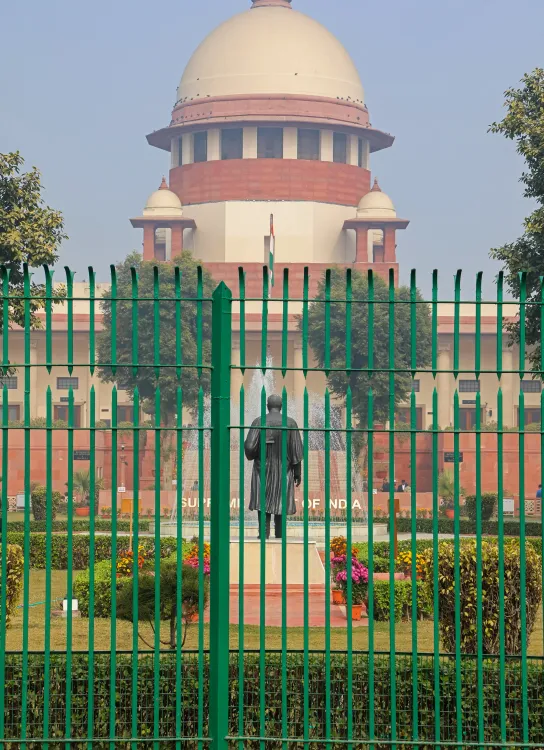
New Delhi, March 11 (NationPress) In a landmark ruling set to be announced on Wednesday, the Supreme Court will address the case of a Ghaziabad man who has been in a permanent vegetative state for nearly 13 years. His family is petitioning for permission to cease life-sustaining medical interventions, thereby permitting passive euthanasia.
A Bench comprising Justices J.B. Pardiwala and K.V. Viswanathan is poised to deliver its judgment regarding Harish Rana, who has been incapacitated since 2013 due to severe head injuries sustained from a fall from the fourth floor while pursuing his studies.
Now in his early thirties, Rana remains in a permanent vegetative state, suffering from 100 percent disability and quadriplegia, necessitating ongoing medical support for breathing, feeding, and daily care.
Previously, the apex court instructed the formation of a Primary Medical Board to assess the feasibility of withdrawing life-sustaining treatment, adhering to the Supreme Court's established guidelines on passive euthanasia.
A team of medical specialists who examined Rana at his home reported that he was reliant on a tracheostomy tube for respiration and a gastrostomy tube for nutrition, indicating that the possibility of recovery from his condition was minimal.
Following this, the court also mandated the All India Institute of Medical Sciences (AIIMS) in New Delhi to set up a Secondary Medical Board for an independent evaluation of his health status.
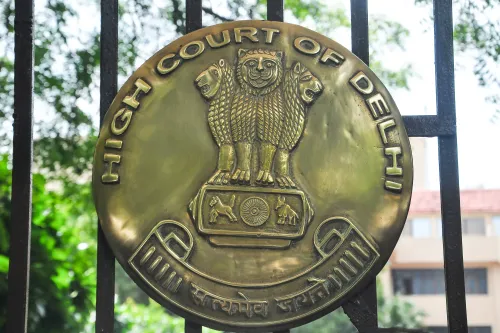
This case originated from a petition filed by Rana’s parents in the Delhi High Court, requesting a medical Board's review on the viability of considering passive euthanasia.
The Delhi High Court had rejected the plea, noting that active euthanasia is prohibited by Indian law. Upon the case reaching the Supreme Court in August 2024, the court issued a notice to the Union government to investigate the possibility of a humanitarian resolution, acknowledging the parents’ struggle to care for a son who has been in a vegetative state for over a decade.
In November 2024, the Supreme Court concluded the matter after noting a government proposal to offer home-based medical care, including physiotherapy, dietician services, nursing support, and free medications.
However, the court granted the parents the right to return if further directions were necessary. The family subsequently approached the Supreme Court again, claiming that Rana’s condition had worsened and that there had been no progress after years of care.
After extensive hearings and written submissions, the Justice Pardiwala-led Bench reserved its judgment on January 15 this year. The Supreme Court is now set to announce its final ruling on Wednesday regarding whether passive euthanasia can be sanctioned in Rana’s case, in accordance with prior legal principles established for the right to die with dignity.
Point of View
It is essential to recognize the gravity of this case, which touches upon the sensitive issues of medical ethics and human dignity. The Supreme Court's decision will not only impact the family involved but may also set a precedent for future cases regarding passive euthanasia in India.
NationPress
27 Sept 2026
Frequently Asked Questions
What is passive euthanasia?
Passive euthanasia refers to the withdrawal of life-sustaining treatment, allowing a person to die naturally, as opposed to active euthanasia, which involves taking direct actions to end a person's life.
Why is the Supreme Court involved in this case?
The Supreme Court is reviewing the case to determine the legality of allowing passive euthanasia under Indian law, following a petition from the family of Harish Rana.
What are the implications of this ruling?
The ruling could set a significant legal precedent regarding the rights of individuals in permanent vegetative states and the ethical considerations surrounding passive euthanasia in India.
How long has Harish Rana been in a vegetative state?
Harish Rana has been in a permanent vegetative state for nearly 13 years, following severe head injuries sustained in 2013.
What happens next if the Supreme Court allows passive euthanasia?
If permitted, the family would be able to withdraw life-sustaining treatments, allowing Harish Rana to pass away naturally, which raises ethical and moral questions in the broader context of medical care.