Maharashtra launches medical boards for passive euthanasia in private hospitals
Synopsis
Maharashtra has formally extended its passive euthanasia framework to private hospitals, constituting two-tier medical boards mandated by the Supreme Court's landmark March 2026 ruling that classified clinically assisted nutrition and hydration as 'medical treatment' — a verdict that itself arose from a patient who had spent 13 years in a vegetative state. The move makes Maharashtra one of the first states to operationalise the right to die with dignity in the private healthcare sector.
Key Takeaways
The Maharashtra government on 17 July 2025 constituted Primary and Secondary Medical Boards for private hospitals to process passive euthanasia and Living Will requests.
The GR was issued in the name of the Governor of Maharashtra and signed by Under Secretary A.B.
A two-stage approval from both boards is legally mandatory before any life-sustaining treatment can be withdrawn.
The framework is anchored in the Supreme Court ruling of 11 March 2026 in Harish Rana vs.
Union of India , which classified CANH as 'medical treatment'.
For Mumbai and Mumbai Suburban districts, the Medical Superintendent of J.J.
Hospital is a permanent Secondary Board member.
This extends a structure already in place for public hospitals since late 2024 , now covering the private sector for the first time.
The Maharashtra government on 17 July 2025 formally constituted Primary and Secondary Medical Boards for private hospitals across the state, creating a statutory framework to operationalise passive euthanasia and honour Living Wills (Advance Medical Directives). The Government Resolution (GR), issued in the name of the Governor of Maharashtra and signed by Under Secretary A.B. More, extends to the private healthcare sector a structure already established for public and semi-government hospitals in late 2024.
How the Two-Board System Works
District Civil Surgeons across Maharashtra have been directed to notify all private medical institutions under their jurisdiction to implement the directives without delay. The GR prescribes a two-tier approval workflow that must be completed before any life-sustaining treatment can be legally withdrawn.
The Primary Medical Board is constituted at the hospital where the terminally ill patient is admitted. It is chaired by the hospital's Medical Director, Chief Executive Officer (CEO), or Medical Superintendent, and includes the patient's treating specialist, a critical care specialist, and a senior physician or surgeon.
The Secondary Medical Board, formalised by the District Civil Surgeon, functions as an independent safeguard. It is chaired by the Medical Director of the concerned private hospital and comprises the treating specialist, two external subject-matter experts each with more than five years of experience, an external empanelled specialist nominated by the District Civil Surgeon, and the District Civil Surgeon. For Mumbai and Mumbai Suburban districts, the Medical Superintendent of J.J. Hospital serves as a permanent member of this board.
The Supreme Court Judgment That Triggered the Move
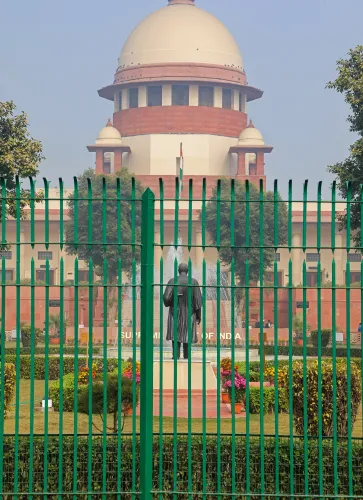
Maharashtra's action is anchored in a landmark Supreme Court judgment delivered on 11 March 2026 in Harish Rana vs. Union of India & Ors. Rana had been in a permanent vegetative state for 13 years following an accident in 2013. The Apex Court ruled that Clinically Assisted Nutrition and Hydration (CANH) legally constitutes 'medical treatment' rather than basic care, meaning it can be withdrawn when it no longer serves the patient's best interests. Rana passed away peacefully at AIIMS, Delhi, on 24 March 2026.
The judgment also reinforced the validity of Living Wills first recognised in the 2018 Common Cause case. A Living Will is a written directive through which individuals specify in advance that they do not wish to be kept alive on artificial support if they enter an irreversible, terminal condition. The Court ruled that dual clearance from both boards is legally non-negotiable, whether the patient holds a Living Will or the application is filed by next-of-kin.
What This Means for Patients and Families
The GR builds the clinical infrastructure necessary to ensure that citizens' constitutional right to die with dignity translates from legal principle into a protected medical reality within the private healthcare sector. District Civil Surgeons have been instructed to urgently assemble panels of registered medical practitioners within their jurisdictions so that boards can be mobilised without procedural delays.
Notably, this is the first time private hospitals in Maharashtra have been formally brought within a structured passive euthanasia approval mechanism — a significant expansion of the earlier framework that covered only government-run facilities.
What Happens Next
With the GR now in force, private hospitals across Maharashtra are expected to constitute their Primary Medical Boards and register with the respective District Civil Surgeons. The operationalisation of the Secondary Boards hinges on how quickly district-level panels of empanelled specialists are assembled. Legal and medical experts say the framework, if implemented rigorously, could serve as a model for other states yet to act on the Supreme Court's directives.
Point of View
But most Indian states have moved slowly on implementation. By formally bringing private hospitals into the fold, Maharashtra signals intent; whether District Civil Surgeons can mobilise functional boards without bureaucratic delay will determine whether terminally ill patients and their families actually experience the right to die with dignity, or find it trapped in procedural limbo.
NationPress
16 Oct 2026
Frequently Asked Questions
What has the Maharashtra government decided about passive euthanasia in private hospitals?
The Maharashtra government has constituted Primary and Secondary Medical Boards for private hospitals across the state, creating a statutory two-tier approval mechanism for passive euthanasia and Living Will requests. The Government Resolution, signed on 17 July 2025, extends to the private sector a framework already in place for public hospitals since late 2024.
What is a Living Will and how does it work under this framework?
A Living Will is a written advance directive in which an individual states that they do not wish to be kept alive on artificial life support if they enter an irreversible, terminal condition. Under Maharashtra's new framework, a patient's Living Will — or an application by their next-of-kin — must receive dual clearance from both the Primary and Secondary Medical Boards before treatment can be withdrawn.
What was the Supreme Court ruling that led to this Maharashtra order?
The Supreme Court delivered a landmark judgment on 11 March 2026 in Harish Rana vs. Union of India, ruling that Clinically Assisted Nutrition and Hydration (CANH) constitutes 'medical treatment' and can legally be withdrawn when it no longer serves a patient's best interests. The ruling reinforced Living Wills recognised in the 2018 Common Cause case and mandated dual-board approval.
Who sits on the Primary and Secondary Medical Boards?
The Primary Board is chaired by the hospital's Medical Director, CEO, or Medical Superintendent, with the treating specialist, a critical care specialist, and a senior physician or surgeon as members. The Secondary Board is formalised by the District Civil Surgeon and includes the treating specialist, two external experts with over five years of experience, and an empanelled specialist nominated by the District Civil Surgeon.
Which hospitals and districts are covered under the new Maharashtra GR?
All private hospitals across Maharashtra fall under the new framework, with District Civil Surgeons responsible for notifying institutions in their jurisdictions. For Mumbai and Mumbai Suburban districts, the Medical Superintendent of J.J. Hospital serves as a permanent member of the Secondary Medical Board.