Maharashtra to introduce virtual autopsy tech, cut post-mortem backlog: CM Fadnavis

Synopsis
Maharashtra is on the verge of introducing virtual autopsy technology at Mumbai's JJ and KEM hospitals — a shift that could eliminate traditional dissection for many cases. With a post-mortem backlog still standing at 75,000 reports despite being cut from 3 lakh, CM Fadnavis has set a three-to-four month deadline to reach normal levels, backed by procurement already complete.
Key Takeaways
CM Devendra Fadnavis announced non-invasive post-mortem (virtual autopsy) technology for Mumbai on 8 July 2026 .
Machinery procurement for J J Hospital and KEM Hospital has already been completed.
Pending post-mortem reports have been reduced from nearly 3,00,000 to 75,000 over the last two to three years.
The government targets clearing the backlog to normal levels within three to four months , prioritising medico-legal and preserved viscera cases.
533 post-mortem centres are operational across Maharashtra, completing 10,905 autopsies up to May 2026.
Two social work superintendents at Sir J J Group of Hospitals were transferred following a disciplinary inquiry, and biometric attendance is now mandatory for all staff.
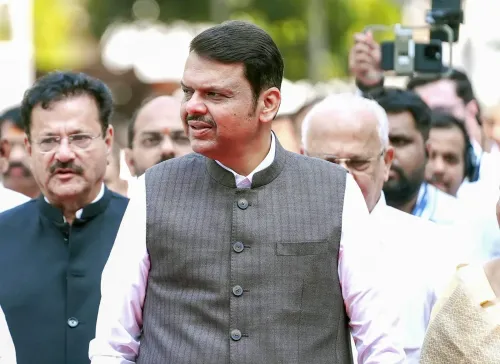
Maharashtra Chief Minister Devendra Fadnavis on 8 July 2026 announced that the state will deploy non-invasive post-mortem (virtual autopsy) technology in Mumbai, marking a significant modernisation of the state's forensic infrastructure. Fadnavis made the disclosure during Question Hour in the Legislative Council, responding to a query raised by member Chitra Wagh, with follow-up questions from members Satej Patil, Ambadas Danve, Pragnya Satav, and Neelam Gorhe.
What Virtual Autopsy Technology Offers
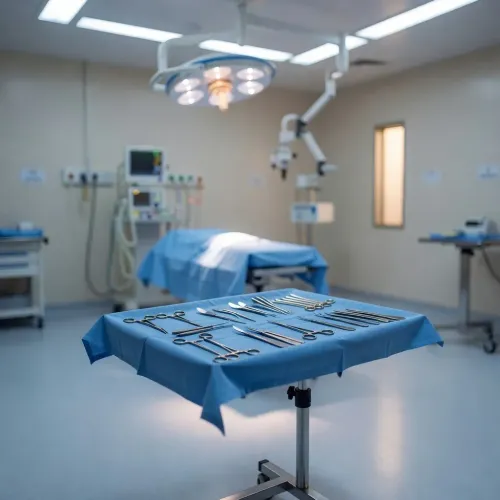
The non-invasive post-mortem technique enables forensic examination of a body without traditional dissection. According to Fadnavis, the approach reduces the time required for examination, demands less manpower, minimises human error, and allows highly accurate detection of microscopic changes that conventional methods may miss.
The tendering and procurement process for the required machinery at J J Hospital and KEM Hospital in Mumbai has already been completed, the Chief Minister confirmed, signalling that deployment is imminent rather than aspirational.
Scale of the Backlog and Progress So Far
Fadnavis acknowledged that post-mortem reports previously took anywhere from six months to a year to be delivered — a delay with serious consequences for medico-legal cases and grieving families. Over the last two to three years, the government says it has accelerated operations at forensic science laboratories, bringing the number of pending reports down from nearly 3,00,000 to 75,000.
Currently, 533 post-mortem centres are operational across Maharashtra, having collectively completed 10,905 autopsies up to May 2026. The Chief Minister promised a time-bound review to address shortfalls in staff, infrastructure, and resources, particularly at high-pressure centres in accident-prone areas.
Three-to-Four Month Target to Clear Backlog
The government has set a target of bringing the backlog down to normal levels within the next three to four months, with top priority given to medico-legal cases and those involving preserved viscera. Fadnavis also confirmed that cold storage facilities are available where required, and that a comprehensive audit of all centres will be conducted to upgrade facilities statewide.
Notably, while rural centres receive bodies less frequently, those situated in accident-prone corridors face disproportionate pressure — a gap the audit is expected to address.
Strict Privacy Rules Reinforced
Fadnavis issued a firm warning on confidentiality, stating that leaking any information from the post-mortem process before the official report is submitted to the police is illegal. He emphasised that maintaining privacy during the procedure is legally binding, and that strict action will be taken against any violator.
Action Against J J Hospital Staff, Biometric Attendance Mandated
Medical Education Minister Hasan Mushrif separately informed the Legislative Assembly that action has been taken against erring staff in the Social Work Department at Sir J J Group of Hospitals, following a query by MLA Vilas Bhumre. A committee was constituted to investigate complaints against superintendents in the department.
Based on the inquiry report, the Dean of Sir J J Group of Hospitals issued strict warnings to the accused staff. Following a Directorate of Medical Education order dated 26 June 2026, two social work superintendents found guilty have been transferred to other locations. Employees absent without official leave have faced salary deductions under a 'no work, no pay' policy.
Mushrif added that biometric attendance has been made mandatory for all staff, and the Secretary and Commissioner have been directed to monitor the system's functioning and officer performance rigorously. All hospital authorities have been instructed to treat patients and their relatives with empathy and courtesy.
Point of View
000 pending post-mortem reports — down from 3 lakh but still enormous — is not merely an administrative statistic; it represents delayed justice in murder probes, accident claims, and insurance disputes. The procurement of virtual autopsy machines is a genuine step forward, but technology alone cannot substitute for the chronic staff and infrastructure shortages Fadnavis himself acknowledged. The three-to-four month deadline to normalise the backlog is ambitious given that the reduction from 3 lakh to 75,000 took two to three years. Whether the audit translates into sanctioned posts and funded upgrades, rather than another round of time-bound promises, is the real question Maharashtra's forensic system needs answered.
NationPress
7 Oct 2026
Frequently Asked Questions
What is non-invasive post-mortem or virtual autopsy technology?
Non-invasive post-mortem, also called virtual autopsy, is a forensic technique that examines a body using imaging technology without traditional dissection. It saves time, requires less manpower, reduces human error, and can detect microscopic changes with high accuracy, according to CM Fadnavis.
Which hospitals in Mumbai will get the virtual autopsy machines?
J J Hospital and KEM Hospital in Mumbai will receive the non-invasive post-mortem machinery. The tendering and procurement process for both facilities has already been completed, the Chief Minister confirmed.
How large is Maharashtra's post-mortem report backlog?
As of July 2026, approximately 75,000 post-mortem reports are pending across Maharashtra. The backlog was nearly 3,00,000 two to three years ago; the government says it has been reduced through faster operations at forensic science laboratories.
When does the Maharashtra government plan to clear the backlog?
CM Fadnavis has set a target of three to four months to bring the backlog down to normal levels. Priority will be given to medico-legal cases and those involving preserved viscera.
What action was taken against staff at Sir J J Group of Hospitals?
Following a committee inquiry, the Dean of Sir J J Group of Hospitals issued strict warnings to erring staff in the Social Work Department. Two social work superintendents were transferred on 26 June 2026, employees absent without leave faced salary cuts, and biometric attendance was made mandatory for all staff.