Could the ISI and D-Syndicate Be Behind a Surge in Fake Currency?
Synopsis
As authorities battle drug trafficking, a concerning rise in counterfeit currency smuggling emerges. The Dawood syndicate and ISI are ramping up operations, posing a significant threat to India's economy. Discover how these criminal networks exploit vulnerabilities and the implications for national security.
Key Takeaways
Intensified crackdown on narcotics trade leading to increased counterfeit currency smuggling.
Dawood Ibrahim syndicate and ISI are key players in this illicit trade.
Counterfeit currency operations are resuming on a large scale .
Malda in West Bengal is a primary hub for the distribution of fake notes.
Kerala is facing challenges in controlling counterfeit currency due to high traveler volume.
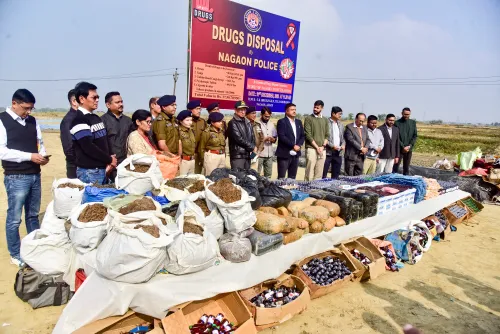
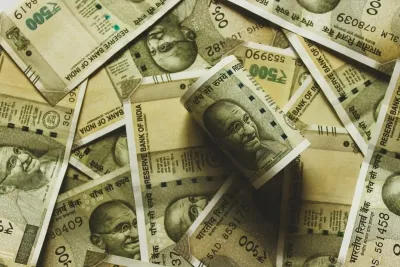
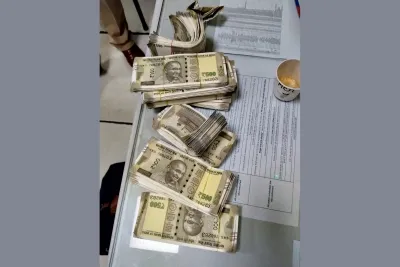
New Delhi, Dec 10 (NationPress) As Indian authorities intensify their crackdown on the narcotics trade, officials from the Intelligence Bureau have raised alarms regarding a significant rise in the illicit smuggling of counterfeit currency notes. Over the past fortnight, multiple operations across the nation have successfully dismantled various fake currency networks.
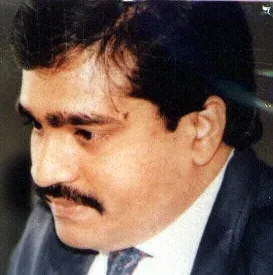
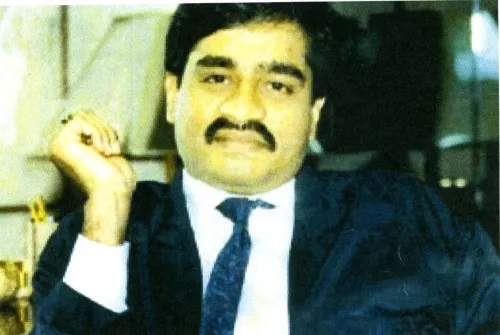
The counterfeit currency operations are orchestrated by the infamous Dawood Ibrahim syndicate, operating from Pakistan. While this syndicate seeks to establish new channels and partnerships to enhance its narcotics dealings, it is simultaneously amplifying its activities concerning counterfeit Indian currency. The ISI is in dire need of funds to revitalize its terror factions, which suffered considerable setbacks during Operation Sindoor.
After a period of reduced activity, the counterfeit currency operations are now set to resume on a grand scale. Malda in West Bengal has emerged as the primary center for this operation within India. With an increasingly hostile government in Bangladesh, the ISI perceives a unique opportunity to escalate its activities.
All counterfeit currency produced in Pakistan is initially funneled into Bangladesh. The ISI faces minimal obstacles in routing fake notes through Bangladesh, due to the close diplomatic relations between Islamabad and Dhaka. The sea routes have been opened, and the visa process for Pakistanis has been streamlined, which the ISI is exploiting.
From Bangladesh, operatives transport the counterfeit currency into Malda, where it is then distributed across the nation. Reports indicate that, in addition to West Bengal, small modules have been established in multiple regions throughout India. The counterfeit notes are primarily sent from either Malda or Murshidabad in West Bengal to various locations across the country.
An official noted a marked increase in such incidents, attributing it to the ISI and D-Syndicate's aggressive push. There is an urgent need for funds as the ISI not only aims to revive terror organizations in Pakistan but also intends to open another front in Bangladesh, attempting to engage India on both fronts.
These criminal organizations involved in this racket have devised various strategies to flood the market with counterfeit notes. In Gujarat, authorities recently apprehended a gang operating a money-doubling scheme, luring victims who were ultimately given fake currency. This gang primarily operated in Gujarat and Maharashtra, as investigations revealed.
While the Bangladesh-West Bengal route remains the primary conduit for this racket, there is also a renewed effort to smuggle these notes through the UAE into Kerala. Over the years, Kasargod in Kerala has developed into a significant hub for the smuggling of counterfeit currency notes.
Key figures such as M.B. Moosa, Abdul Rahman, K.M. Hamza, Kallatra Abdul Ha Khader Haji, Irabhim Soopi, K.S. Abdullah, and Kadavath Atta are reportedly managing this racket. The counterfeit notes from Pakistan typically reach these individuals via the UAE route.
Officials assert that controlling the Kerala route poses significant challenges. The high volume of travelers to Gulf nations creates a rush at airports, which the ISI has exploited, taking advantage of the stressed security measures in Kerala. Often, traffickers evade capture due to understaffed customs operations, making comprehensive checks difficult.
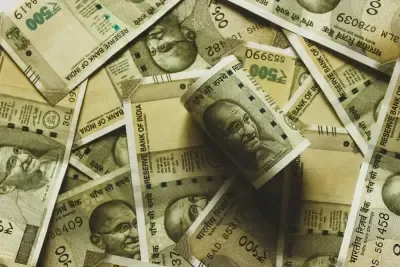
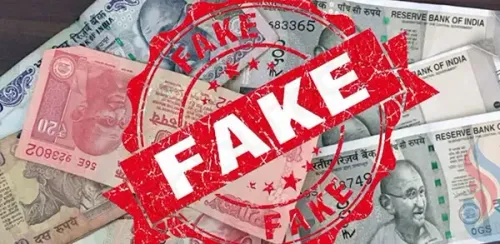
Moreover, the detection of counterfeit currency has become increasingly tricky due to the high quality of the notes being printed. An Intelligence Bureau official stated that these notes are produced in government printing facilities in Lahore, Karachi, Quetta, Multan, and Peshawar—the same locations where official Pakistani Rupees are printed. Consequently, the counterfeit Indian notes printed in Pakistan are of exceptionally high quality, complicating detection efforts, the official explained.
The seriousness of the situation in India, driven by this renewed push from Dawood and the ISI, is highlighted in a report released by the US State Department. The report states: “India faces an increasing inflow of high-quality counterfeit currency, primarily produced in Pakistan and smuggled into India through various international routes. Criminal networks exchange counterfeit currency for genuine notes, facilitating money laundering and posing a significant threat to the Indian economy.”
Point of View
It is imperative that we acknowledge the grave implications of these developments. The resurgence of counterfeit currency operations, particularly linked to organized crime syndicates and international terror funding, is a pressing issue for India’s security and economic integrity. NationPress stands committed to delivering factual reporting on such critical matters.
NationPress
23 Sept 2026
Frequently Asked Questions
What is the main source of counterfeit currency in India?
The primary source of counterfeit currency in India is Pakistan, where high-quality counterfeit notes are produced and smuggled into India through various international routes, including Bangladesh and the UAE.
How does the ISI benefit from counterfeit currency smuggling?
The ISI uses profits from counterfeit currency to fund and revive terror groups in Pakistan and to create new fronts in regions like Bangladesh, aiming to exert influence and pressure on India.
What regions in India are most affected by counterfeit currency smuggling?
Regions such as West Bengal, particularly Malda, and Kerala, notably Kasargod, are heavily impacted by counterfeit currency smuggling operations.
How are counterfeit notes circulated within India?
Counterfeit notes are primarily smuggled from Bangladesh into West Bengal and then distributed across the country through established networks.
What measures are being taken to combat counterfeit currency smuggling?
Indian authorities are conducting operations to dismantle fake currency networks and enhance security measures at airports to detect and prevent the smuggling of counterfeit notes.