Bihar fiscal deficit hits 5.8% of GSDP, Tejashwi Yadav flags debt crisis
Synopsis
Bihar's fiscal deficit-to-GSDP ratio has reportedly touched 5.8% in 2025-26 — the highest among India's major states, according to the opposition. With public debt allegedly quadrupling and funds reportedly drying up for pensions, scholarships, and contractor dues, Tejashwi Yadav's broadside puts the NDA government in Patna on the defensive over its financial stewardship.
Key Takeaways
Tejashwi Yadav alleged on Friday that Bihar's public debt has grown more than fourfold under the NDA government.
Bihar's fiscal deficit-to-GSDP ratio reportedly stands at 5.8% in 2025-26 , allegedly the highest among India's major states.
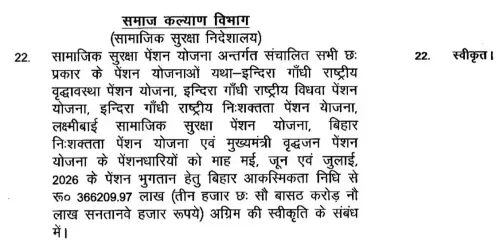
Funds are reportedly under strain for social security pensions , government employee salaries, contractor dues, and development projects.
The opposition alleged cuts to the Bihar Student Credit Card Scheme and discontinuation of scholarships, potentially affecting students.
Yadav accused the BJP-led NDA government of lacking a long-term revenue strategy and demanded greater transparency in expenditure.
The FRBM framework recommends a fiscal deficit ceiling of 3% of GSDP for states.
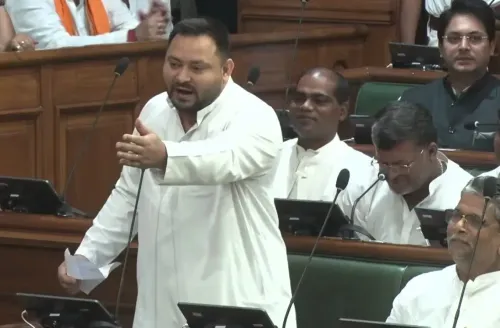
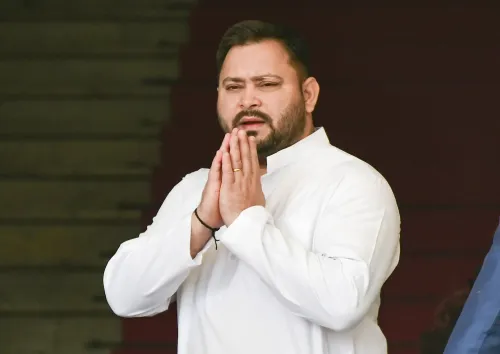
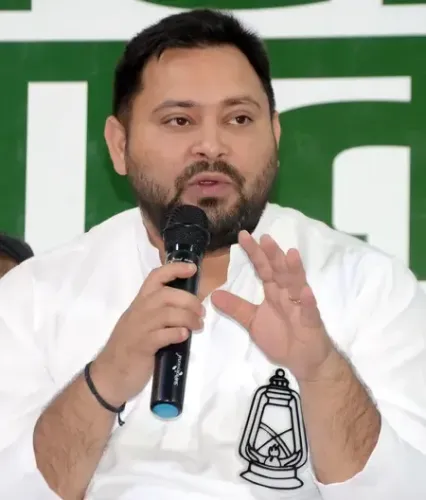
Rashtriya Janata Dal leader and Bihar Assembly Opposition Leader Tejashwi Yadav on Friday raised a sharp alarm over the state's deteriorating finances, alleging that Bihar's public debt has surged more than fourfold and that the state's fiscal deficit-to-GSDP ratio has reached 5.8% in 2025-26 — reportedly the highest among India's major states. Yadav made the allegations in a post on his official X handle, demanding transparency and accountability from the Bharatiya Janata Party (BJP)-led National Democratic Alliance (NDA) government in Patna.
Scale of the Debt Crisis
According to Yadav, Bihar's total public debt has grown more than fourfold over the years, placing mounting pressure on the state's expenditure capacity. He alleged that funds are reportedly becoming difficult to arrange for social security pensions, salaries and pensions for government employees, dues owed to contractors, and a range of ongoing development projects. The opposition leader further alleged that substantial additional debt has been taken on over the past two years without a corresponding improvement in the state's financial position.
Impact on Students and Social Schemes
Yadav raised specific concerns over what he described as a reduction in funds available under the Bihar Student Credit Card Scheme and the alleged discontinuation of scholarships. He argued that these measures, if accurate, could adversely affect students and young people across the state — a demographic that Bihar's government has repeatedly cited as central to its development agenda. The opposition has called for these cuts to be reversed and for greater clarity on how allocated funds are being utilised.
What the Opposition Alleges About Fiscal Management
The opposition's critique centres on what it describes as the NDA government's absence of a long-term strategy to boost the state's own revenue, improve tax collection, manage expenditure, and contain the fiscal deficit. Bihar's own revenue generation, critics argue, remains relatively limited compared with its expenditure requirements — a structural challenge that successive governments have struggled to address. Yadav alleged that corruption and mismanagement have compounded this structural weakness, further eroding Bihar's fiscal position.
Political Accountability and Demands
In his post, Yadav questioned where borrowed funds are being utilised and demanded greater transparency in government expenditure. He accused the BJP-led NDA government of failing to safeguard the state's financial interests and warned that continued borrowing without strengthening revenue generation could place an increasing burden on future generations. The opposition leader framed Bihar's worsening fiscal indicators as a matter of collective concern, calling for improved revenue mobilisation and disciplined expenditure management. The NDA government in Bihar has not yet issued a formal response to these specific allegations.
Broader Context
Bihar is one of India's most fiscally dependent states, historically reliant on central transfers and grants. A 5.8% fiscal deficit-to-GSDP ratio — if verified — would significantly exceed the 3% threshold recommended by the Fiscal Responsibility and Budget Management (FRBM) framework. This comes amid broader national concerns about state-level fiscal discipline, with several states having sought additional borrowing headroom from the Centre in recent years. For Bihar, which is already among the lower-income states, a high deficit ratio narrows the fiscal space available for capital expenditure and social welfare.
Point of View
But the underlying numbers — if verified — expose a structural problem that predates the current government. Bihar's dependence on central transfers has long constrained its fiscal autonomy, and a 5.8% deficit-to-GSDP ratio, if accurate, would represent a serious breach of FRBM discipline. What the opposition has not addressed is its own record in power: the RJD's tenures in Bihar were not marked by fiscal consolidation either. The more substantive question is whether Bihar's borrowing is financing productive capital assets or plugging revenue gaps — a distinction the opposition's broadside conspicuously avoids. Until independent audit data confirms the figures cited, the claims remain contested political allegations rather than settled fact.
NationPress
5 Oct 2026
Frequently Asked Questions
What is the Bihar fiscal deficit figure cited by Tejashwi Yadav?
Tejashwi Yadav alleged that Bihar's fiscal deficit-to-GSDP ratio stands at 5.8% in 2025-26, which the opposition describes as the highest among India's major states. This figure significantly exceeds the 3% ceiling recommended under the Fiscal Responsibility and Budget Management framework.
What schemes does the opposition say have been affected by Bihar's financial strain?
The opposition has alleged cuts to the Bihar Student Credit Card Scheme and the discontinuation of scholarships, arguing these could harm students and young people. Yadav also alleged that funds for social security pensions, government employee salaries, contractor dues, and development projects are under pressure.
How much has Bihar's public debt grown, according to the opposition?
According to Tejashwi Yadav, Bihar's total public debt has increased more than fourfold over the years. He further alleged that substantial additional debt was taken on in the past two years without a corresponding improvement in the state's financial position.
Has the Bihar NDA government responded to these allegations?
As of the time of reporting, the BJP-led NDA government in Bihar had not issued a formal response to the specific allegations made by Tejashwi Yadav regarding the state's fiscal deficit, debt levels, or scheme funding cuts.
Why does a high fiscal deficit matter for Bihar specifically?
Bihar is among India's more fiscally dependent states, relying heavily on central transfers. A high fiscal deficit-to-GSDP ratio narrows the state's capacity for capital expenditure and social welfare spending, and excessive borrowing without revenue growth risks placing a burden on future budgets and taxpayers.