Is the Democratic Process in Bangladesh at Risk due to Media Attacks?
Synopsis
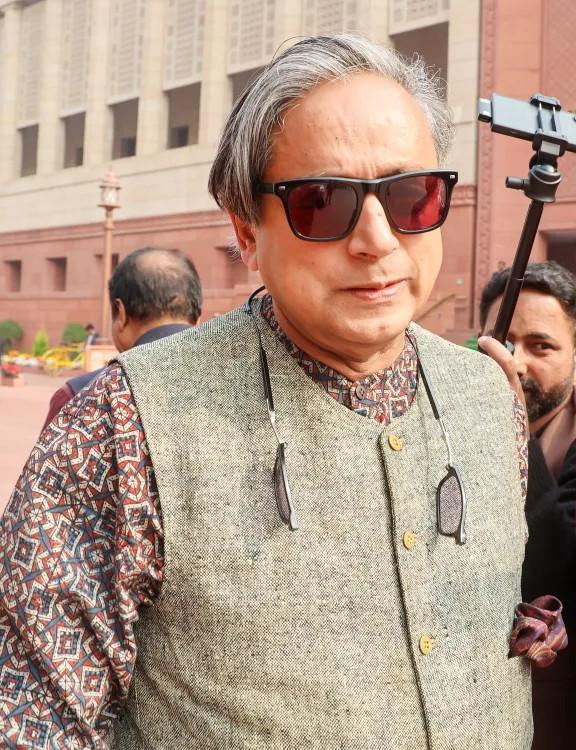
Congress MP Shashi Tharoor has raised critical alarms over the targeted violence against media houses in Bangladesh amidst escalating unrest. His concerns extend to the recent suspension of visa services in Indian High Commissions, which could have significant implications for cross-border relations as the country heads towards national elections in 2026.
Key Takeaways
Targeted attacks on media threaten democratic values.
Suspension of visa services impacts cross-border mobility.
Urgent need for journalist protection highlighted.
Political stability is crucial ahead of the upcoming elections.
Calls for constructive dialogue to replace violence.
New Delhi, Dec 20 (NationPress) Congress MP Shashi Tharoor expressed significant alarm regarding the deliberate assaults on major media outlets during the ongoing violence in Bangladesh. He also condemned the unanticipated suspension of visa services at Indian Assistant High Commissions located in Khulna and Rajshahi amidst deteriorating security situations.
Bangladesh is currently facing a new wave of turmoil following the death of radical Islamist leader Sharif Osman Hadi, who gained notoriety during the 2024 student protests that led to the removal of the then Prime Minister, Sheikh Hasina.
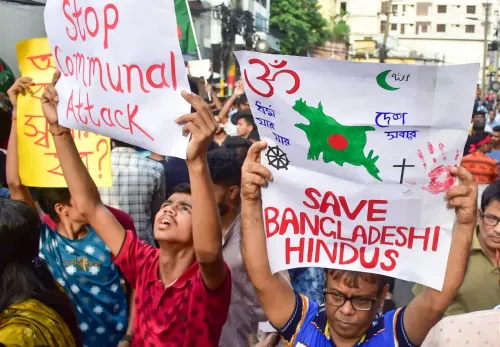
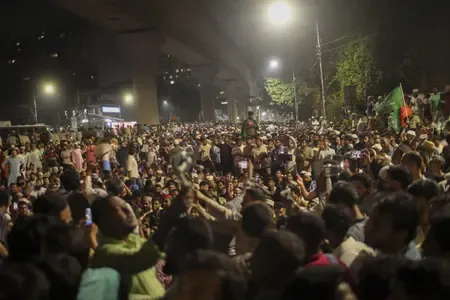
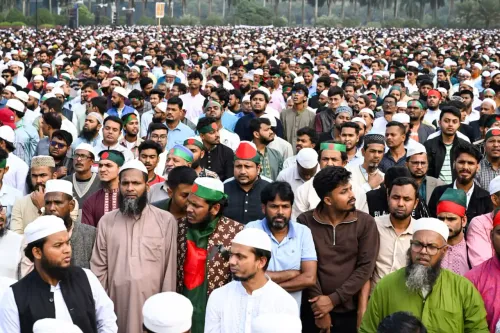
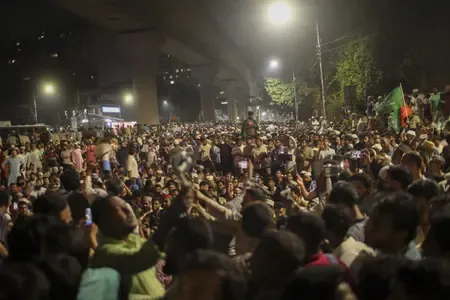
This assassination has incited widespread demonstrations, with reports of violence emerging from Dhaka and various other regions.
Protests against the demise of Hadi, who was a leader of Inqilab Moncho, have escalated, and crowds have targeted significant media organizations and sites linked to Bangladesh's secular heritage. Incidents of arson and vandalism at media establishments have raised alarms both domestically and internationally.
Reacting to these unsettling events, Tharoor noted that these assaults on the press undermine the essence of democratic principles.
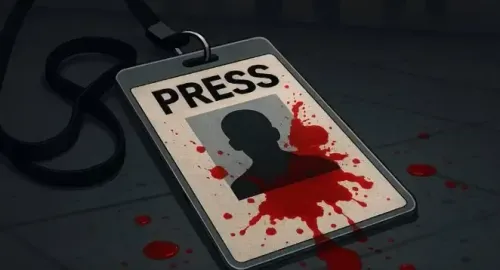
In a post on X, he stated: "I am deeply troubled by the reports from Bangladesh. The targeted mob violence and arson at the offices of Prothom Alo and The Daily Star extend beyond a mere attack on two media entities; they represent an attack on press freedom and the very foundation of a diverse society."
The Congress MP further voiced his concerns regarding the safety of journalists, including senior editors, expressing apprehension for Editor Mahfuz Anam and other media workers who are operating in increasingly perilous environments.
In light of the unrest, India was forced to close two visa application centers in Bangladesh due to security threats. In Rajshahi, a march was organized by a group named 'July 36 Mancha' towards the Indian Assistant High Commission. The procession moved towards the diplomatic office but was stopped midway by police intervention.
Similar protests were reported in Khulna, prompting authorities to halt visa operations at both sites.
Tharoor condemned this disruption, stating that the suspension of services would have profound implications.
He remarked, "The enforced suspension of visa services at the Indian Assistant High Commissions in Khulna and Rajshahi, triggered by escalating security threats, represents a significant setback. This disruption directly affects students, patients, and families who were beginning to see a return to normalcy in cross-border movement."
As Bangladesh approaches its national elections scheduled for February 12, 2026, Tharoor cautioned that this climate of violence and intolerance threatens the democratic process.
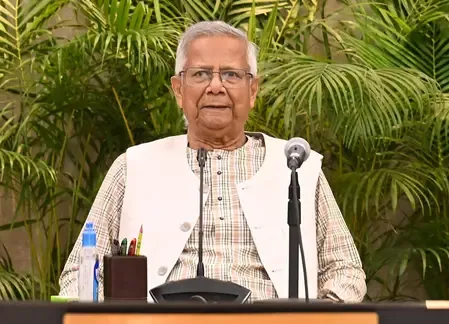
The Congress leader also outlined recommendations for the interim government led by Muhammad Yunus to maintain stability and ensure democratic continuity.
Stressing the need for decisive measures, he said: "Protection of Journalists: Journalists should not have to send desperate messages for their lives while their offices are set ablaze. Mob rule cannot prevail."
He added that the security of diplomatic facilities must be guaranteed to sustain essential people-to-people connections. "Increased protection must be afforded to targeted embassies and consulates," he emphasized.
"Constructive dialogue must replace mob rule if the nation is to navigate this transition while maintaining any semblance of democracy. Interim Chief Mohammed Yunus must take personal responsibility to ensure this," he said, highlighting the urgency to restore peace.
Tharoor underscored that stability in Bangladesh is crucial not just for its citizens but for the entire South Asian region.
"We aspire for a return to tranquility and a secure environment where the citizen's voice is expressed through the ballot rather than through violence and coercion," he concluded.
Point of View
It's imperative to recognize the gravity of the situation in Bangladesh. The attacks on media entities not only threaten freedom of expression but also jeopardize the democratic framework. With the region's stability at stake, it is vital to advocate for the protection of journalists and uphold democratic values amidst unrest.
NationPress
30 Sept 2026
Frequently Asked Questions
What recent events in Bangladesh have raised concerns?
Recent violence following the death of radical leader Sharif Osman Hadi has led to protests and targeted attacks on media organizations.
How has India responded to the unrest?
India suspended visa services at its Assistant High Commissions in Khulna and Rajshahi due to security threats.
What did Shashi Tharoor say about the media attacks?
Tharoor condemned the attacks as an assault on press freedom and called for the protection of journalists.
What implications do the recent developments have on democracy?
Tharoor warned that the current climate of violence bodes ill for the democratic process as Bangladesh approaches national elections.
What steps did Tharoor suggest for the interim government?
He urged the interim government to ensure stability, protect journalists, and facilitate constructive dialogue to replace mob rule.