Tibet glacier collapse triggers floods, China's silence draws global scrutiny
Synopsis
A glacier collapse near Langtang Lirung sent a seismic shockwave equivalent to a 5.2-magnitude earthquake and unleashed flash floods across the Nepal–Tibet border — yet inside Tibet, the catastrophe reportedly exists only in whispers. China's information blackout, critics say, is not just a political reflex but a lethal one: no warnings, no coordinated relief, no accountability for communities on both sides of the border.
Key Takeaways
A glacier near Langtang Lirung peak collapsed, releasing seismic energy equivalent to a magnitude 5.2 earthquake and triggering flash floods along the Nepal–Tibet border .
Chinese authorities have reportedly issued no official bulletin or acknowledgment of the disaster inside Tibet, according to a report in the European Times .
Khedroob Thondup , nephew of the Dalai Lama, wrote that Beijing's silence is 'not accidental — it is policy', aimed at protecting the image of stability in the region.
Families in Nepal are mourning the dead while Tibetans across the border are reportedly cut off from information about missing relatives and village safety.
The Himalayas are warming faster than the global average; critics warn that China's suppression of disaster data puts downstream nations — including India and Bangladesh — at risk.
This is reportedly part of a broader pattern in which earthquakes, landslides, and dam collapses in Tibet have been minimised or erased from official Chinese channels.
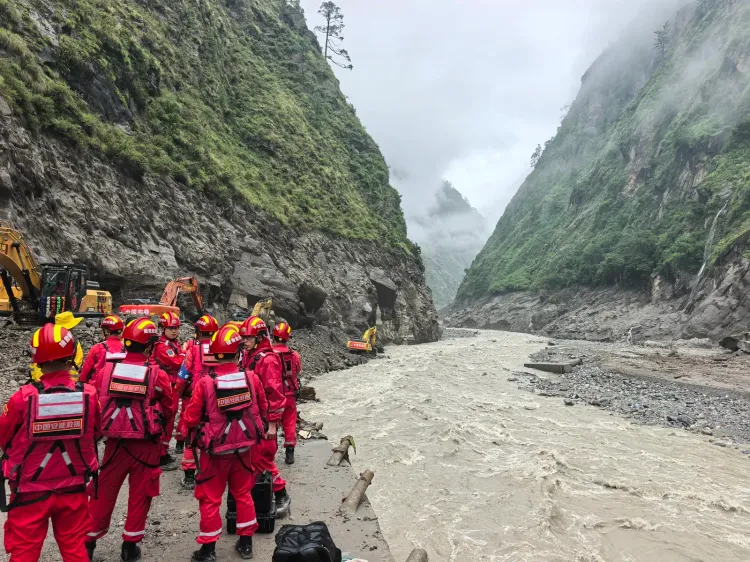
The collapse of a glacier near Langtang Lirung peak has unleashed devastating flash floods across villages along the Nepal–Tibet border, while Chinese authorities have reportedly suppressed all official acknowledgment of the disaster — a silence that critics say is costing lives and blocking coordinated relief.
What Happened
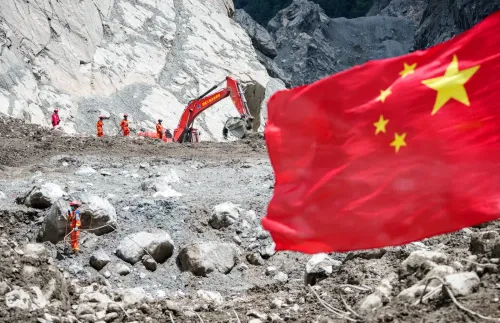
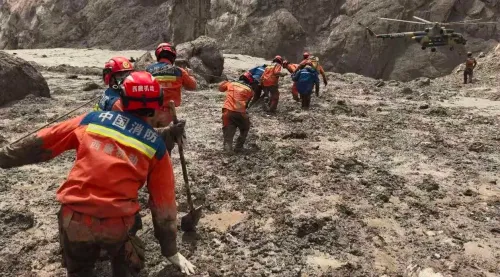
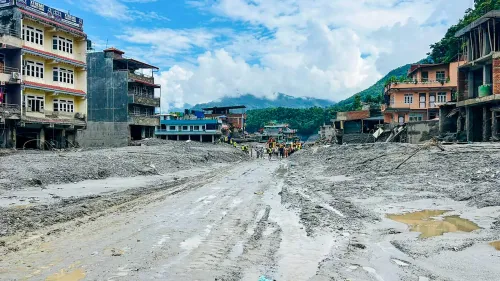
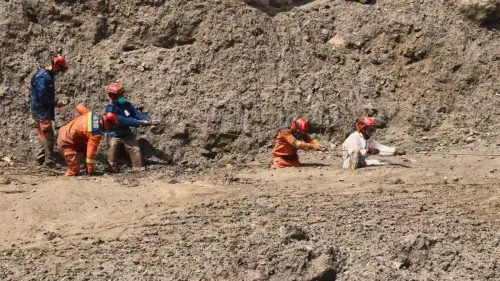
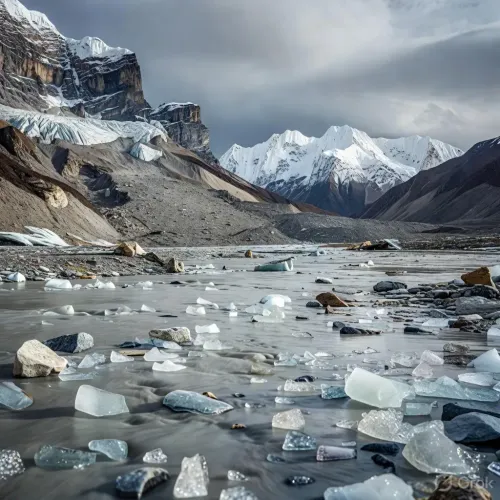
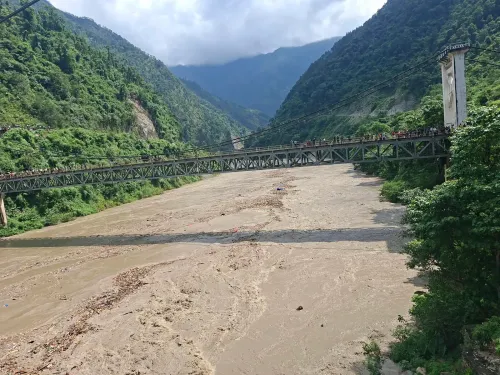
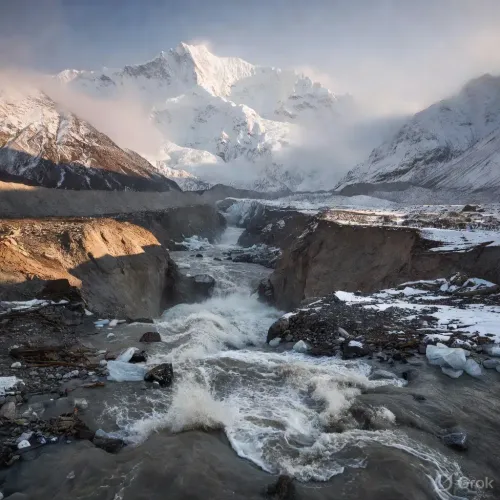
When the glacier high above Langtang Lirung sheared away and plummeted more than two kilometres into the valley below, the impact released seismic energy equivalent to a magnitude 5.2 earthquake, according to a report published in the European Times. The resulting ice avalanche triggered flash floods that tore through border communities on both the Nepali and Tibetan sides. Inside Tibet, however, the catastrophe reportedly exists only in whispers.
China's Information Blackout
Khedroob Thondup, nephew of the Dalai Lama, wrote in the European Times that Beijing's censors have ensured that no official bulletin, no local report, and no acknowledgment of the devastation has reached the public. 'This silence is not accidental. It is policy,' he wrote. Thondup argued that for the Chinese Communist Party (CCP), Tibet is not viewed as a fragile ecosystem but as a stage on which to project 'stability' — and that recognising glacier collapse driven by climate stress would expose the vulnerability of Beijing's hydropower and infrastructure projects across the Himalayas.
Human Cost and Cross-Border Impact
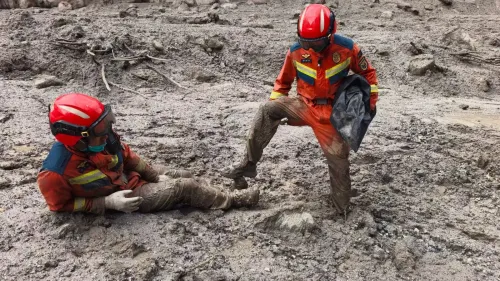
The flash floods surging into Nepal have laid bare the transboundary risks of the disaster. Families in Nepal are mourning the dead, while Tibetans across the border are reportedly left without information about missing relatives or the safety of their own villages. The European Times report noted that the absence of official communication has meant no coordinated relief, no downstream warnings, and no accountability. 'Silence here is not neutral. It is lethal,' the report stated.
A Broader Pattern of Suppression
This is not the first time Beijing has been accused of minimising disaster news from Tibet. According to the report, earthquakes, landslides, and dam collapses have previously been downplayed or erased from official channels. Critics argue that disasters are treated as threats to political legitimacy rather than emergencies demanding transparency. 'By controlling the narrative, the authorities hope to control reality itself. But the rivers flowing from Tibet into Nepal, India, and Bangladesh cannot be censored,' the report noted.
Climate Context
The Himalayas are warming at a rate faster than the global average, according to the report. As glaciers retreat, destabilise, and collapse, each episode carries consequences that are both seismic and geopolitical. The glacier collapse near Langtang Lirung, critics argue, fits a pattern in which climate vulnerability and political opacity compound one another — with downstream nations, including India and Bangladesh, bearing consequences they had no role in creating and receive no warning about.
Point of View
But the stakes here extend far beyond optics — downstream nations like India, Nepal, and Bangladesh depend on early warning systems that Chinese transparency failures effectively disable. What mainstream coverage often misses is the climate dimension: the Himalayas are warming faster than the global average, and China's infrastructure ambitions in the region — dams, roads, hydropower — are built on glaciers that are structurally compromised. Every suppressed disaster report is also a suppressed data point in a climate system that does not respect borders.
NationPress
14 Oct 2026
Frequently Asked Questions
What caused the Tibet flash floods near Langtang Lirung?
A glacier near Langtang Lirung peak sheared away and fell more than two kilometres into the valley, releasing seismic energy equivalent to a magnitude 5.2 earthquake and triggering flash floods that swept through villages along the Nepal–Tibet border. The event is consistent with accelerating glacial instability in the Himalayas, which are warming faster than the global average.
Why has China been criticised for its response to the Tibet glacier disaster?
Chinese authorities have reportedly issued no official bulletin, local report, or public acknowledgment of the disaster inside Tibet. Critics, including Khedroob Thondup writing in the European Times, argue this silence is deliberate policy — aimed at projecting political stability and avoiding scrutiny of Beijing's Himalayan infrastructure projects, at the cost of coordinated relief and downstream warnings.
Who is Khedroob Thondup and what did he say?
Khedroob Thondup is the nephew of the Dalai Lama. He wrote in the European Times that Beijing's censorship of the Tibet disaster is 'not accidental — it is policy', arguing that the Chinese Communist Party treats disasters as threats to political legitimacy rather than emergencies requiring transparency.
Which countries are affected by the Tibet glacier collapse?
Nepal has been directly affected, with families mourning the dead from the flash floods. The report also warns that rivers flowing from Tibet carry consequences downstream into India and Bangladesh — nations that receive no official warning when Chinese authorities suppress disaster information.
Is this the first time China has been accused of suppressing Tibet disaster news?
No. According to the European Times report, earthquakes, landslides, and dam collapses in Tibet have previously been minimised or erased from official Chinese channels. The Langtang Lirung glacier collapse is described as fitting a broader, established pattern of treating regional disasters as political liabilities.