China's glacier disaster silence exposes Tibet information blackout: Report
Synopsis
China released no casualty figures after a glacier avalanche devastated Tibet — and according to a Tibet Express report and Human Rights Watch, that silence is not an oversight but a policy. With journalists barred, social media curated, and at least 10 people punished for 'rumourmongering', Beijing's information lockout is drawing fresh scrutiny over how many Tibetan lives remain uncounted.
Key Takeaways
Chinese authorities released no official casualty figures after a glacier avalanche struck Tibet , according to a Tibet Express report.
Khedroob Thondup , nephew of the 14th Dalai Lama , described the silence as 'policy' — part of a decades-long strategy to suppress Tibetan identity and suffering.
Human Rights Watch (HRW) alleged that journalists were barred from the disaster zone and at least 10 people were punished for 'rumourmongering'.
Chinese state media reportedly used AI-generated imagery to depict the mudslide's origins; international footage of Gyirong Port flooding was allegedly censored inside China.
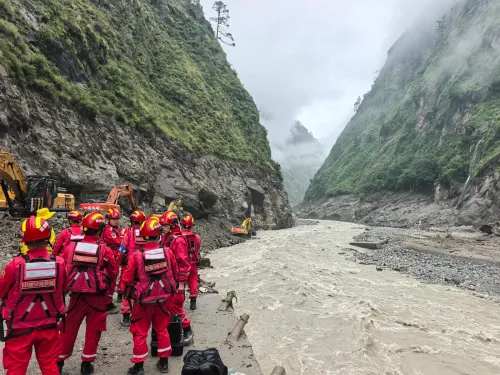
The transboundary flood originated in Tibet on 26 August , swept down the Bhote Koshi River , and left hundreds dead in Nepal's Rasuwa district .
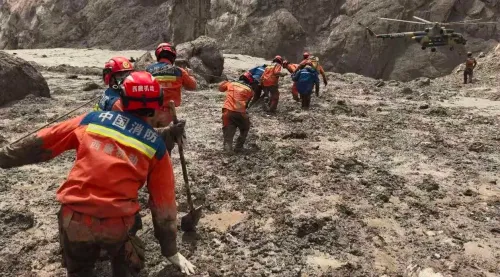
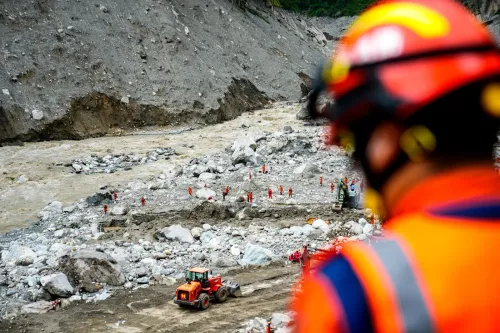
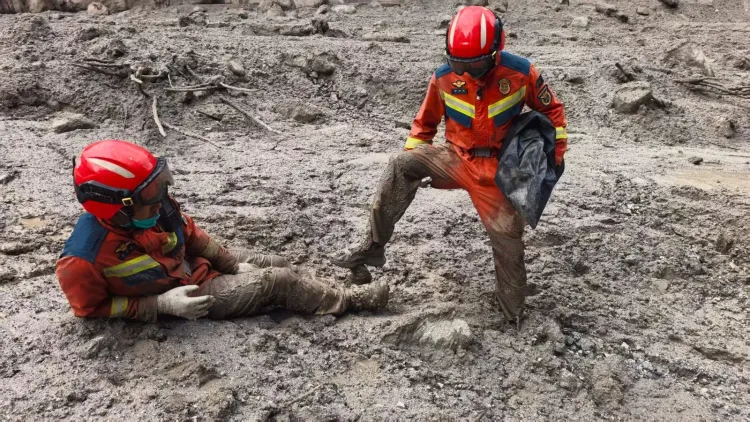
Chinese authorities' near-total silence following a devastating glacier avalanche in Tibet reflects a deliberate, decades-long policy of suppressing information about Tibetan suffering and controlling the global narrative on the region, according to a detailed report by Tibet Express. The disaster left entire communities in shock and tore families apart — yet Beijing released no official casualty figures.
A Pattern of Concealment
According to the Tibet Express report, China's refusal to disclose details about the avalanche's human toll is consistent with its established practice of withholding information whenever Tibetans experience disproportionate harm. Analysts cited in the report argue that this silence is not incidental — it is institutional.
Khedroob Thondup, nephew of the 14th Dalai Lama, wrote in Tibet Express: 'Whether it is uprisings, self-immolations, or environmental disasters, the state's instinct is to conceal rather than confront. This strategy serves two purposes: Control of narrative: By silencing reports of Tibetan deaths, Beijing avoids international scrutiny and domestic sympathy. Denial of identity: To acknowledge Tibetan suffering would be to admit that Tibetans are distinct, resilient, and enduring — qualities the state seeks to erase.'
Thondup added: 'The silence after the avalanche is not accidental. It is policy. It is the continuation of a decades-long strategy to suppress Tibetan suffering, erase Tibetan identity, and control the narrative of Tibet's place in the world. The world must recognise this silence for what it is: a cover-up, not of numbers, but of lives. And until those lives are named, counted, and honoured, Tibet remains buried under more than snow — it remains buried under the weight of deliberate erasure.'
HRW Flags Censorship and Media Lockout
US-based advocacy group Human Rights Watch (HRW) has separately accused Beijing of imposing censorship and tightening information controls amid deadly flash floods that devastated parts of Nepal and the Tibetan border region. According to HRW, Chinese social media platform Weibo — which operates under Beijing's censorship directives — pinned a memorial hashtag, 'Mourning the victims of the Gyirong mudslide disaster', at the top of its trending topics, alongside eight other disaster-related hashtags.
The lead post featured a China Central Television (CCTV) anchor reading what HRW described as a Politburo communique, in which Chinese President Xi Jinping reportedly called on senior leaders to observe a minute of silence for the victims. HRW noted, however, that 'the victims' own voices are largely absent from the trending topics, which focus on the death toll, rescue operations, and the mechanics of the disaster.'
HRW further alleged that journalists in China were barred from the disaster zone and from interviewing affected families, leaving them entirely reliant on state-sanctioned information. According to the rights body, Chinese authorities also reportedly punished at least 10 people for 'rumourmongering' related to the disaster.
AI Imagery and Footage Censorship
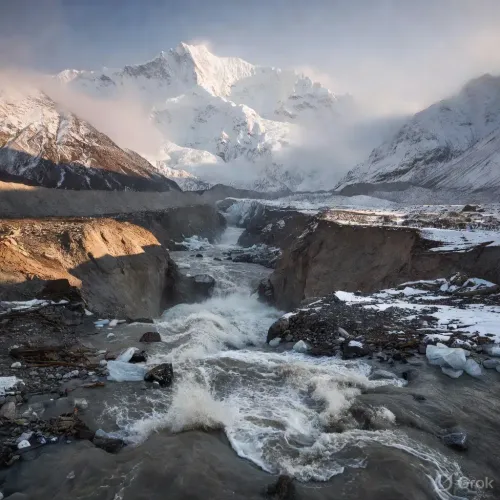
HRW also alleged that Chinese state media relied on AI-generated images and videos purportedly showing the likely origins of the mudslide. International footage — reportedly showing Gyirong Port on the Chinese side of the border being overwhelmed by floodwater as people fled — was said to be circulating globally while being censored within China.
The Transboundary Disaster
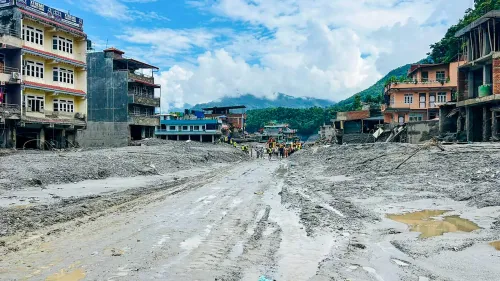
The catastrophic flood that struck Nepal's Rasuwa district on 26 August originated in the Tibetan region of China. It swept through the transboundary Bhote Koshi River, leaving hundreds dead and causing widespread destruction across the Himalayan nation. The Tibet Express report characterised the glacier avalanche as a warning signal: Tibet's fragile environment, already stressed by climate change and what the report described as reckless development, may be a harbinger of larger regional crises.
As international pressure mounts over Beijing's information management, the question of how many lives were lost on the Tibetan side of the border remains officially unanswered.
Point of View
Curate social media, and let official communiques fill the vacuum where survivor testimony should be. What is striking this time is the transboundary dimension — Nepal's dead are counted, Tibet's are not, and that asymmetry is itself a data point. HRW's allegation that AI-generated imagery substituted for verified footage raises a deeper question about the evidentiary baseline the world is working from. The international community's ability to hold China accountable on Tibet has always been constrained by access; this disaster has made that constraint visible again in the starkest possible terms.
NationPress
17 Oct 2026
Frequently Asked Questions
What happened after the glacier avalanche in Tibet?
A glacier avalanche struck Tibet, leaving communities devastated and families torn apart. Chinese authorities did not release any official casualty figures, and a Tibet Express report characterised this silence as a continuation of Beijing's long-standing policy of suppressing information about Tibetan suffering.
What did Human Rights Watch say about China's response?
Human Rights Watch accused China of imposing censorship and tighter information controls following the disaster. It alleged that journalists were barred from the disaster zone, at least 10 people were punished for 'rumourmongering', and Chinese state media used AI-generated imagery in place of verified footage.
Who is Khedroob Thondup and what did he say?
Khedroob Thondup is the nephew of the 14th Dalai Lama. Writing in Tibet Express, he argued that China's silence after the avalanche is 'policy, not accident' — a deliberate strategy to erase Tibetan identity and avoid international scrutiny by concealing the scale of Tibetan casualties.
How did the disaster affect Nepal?
The catastrophic flood originated in Tibet on 26 August and swept through the transboundary Bhote Koshi River into Nepal's Rasuwa district, leaving hundreds dead and causing widespread destruction across the Himalayan nation.
What is the broader significance of China's information blackout on Tibet?
Analysts cited in the Tibet Express report argue that China's refusal to disclose casualty data fits a pattern seen across Tibetan uprisings, self-immolations, and environmental disasters. The report warns that Tibet's fragile, climate-stressed environment may signal larger regional crises — crises that Beijing's censorship apparatus makes harder for the world to assess.