Tibet has no trust in CCP after 77 years of occupation: Report
Synopsis
Seventy-seven years after China's entry into Tibet under the banner of 'liberation', a new report concludes that the CCP has won neither hearts nor minds — only hardened separatist conviction. Compounding this, Reporters Without Borders has declared Tibet a 'de facto information black hole', condemning a media blackout that prevented independent coverage of deadly floods that killed over 1,000 people downstream in Nepal.
Key Takeaways
A Tibet Express report argues that Tibetans have no trust in the CCP after 77 years of occupation marked by broken promises and cultural suppression.
The CCP entered Tibet in 1950 pledging autonomy; those promises reportedly collapsed within a decade.
Khedroob Thondup , nephew of the 14th Dalai Lama , wrote that Tibetans would choose 'secession' in a free referendum, based on 'lived experience'.
Reporters Without Borders (RSF) condemned China's media blackout in Tibet following devastating floods, calling the region a 'de facto information black hole' .
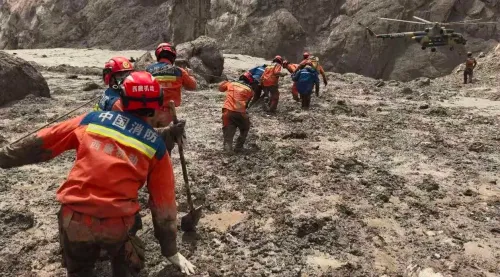
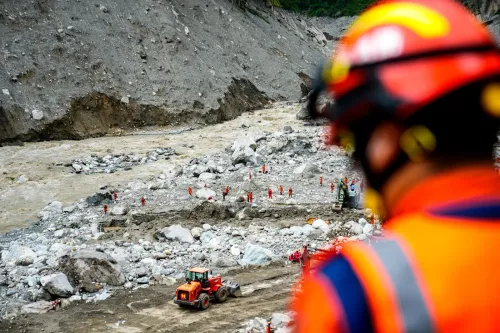
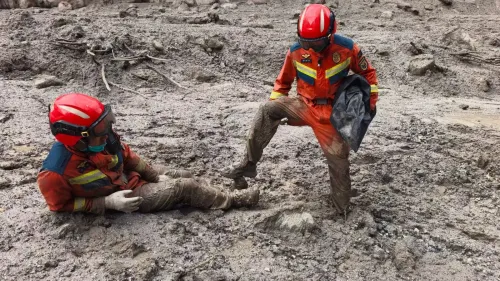
Flash floods originating in Tibet on 26 August swept through the Bhote Koshi River into Nepal , reportedly killing over 1,000 people .
Only state-controlled outlets were permitted to cover the disaster, according to RSF , with reports focused on Beijing's relief achievements.
People of Tibet have no trust in the Chinese Communist Party (CCP) even after 77 years of occupation, according to a detailed report in The Tibet Express. The report argues that the CCP's rule over the region has been characterised by broken promises, the suppression of Tibetan culture, and a systematic drive to erase Tibetan identity — outcomes that have deepened alienation rather than built consent.
Promises Made, Promises Broken
The CCP entered Tibet in 1950 under the stated justification of 'liberation', pledging to respect Tibetan autonomy and traditions. According to the report, those commitments collapsed within a decade. Tibetans, it states, do not regard their integration into the People's Republic of China as voluntary — they perceive it as rule by force.
Khedroob Thondup, nephew of the 14th Dalai Lama, wrote in The Tibet Express: 'After sixty-seven years, Tibetans have no trust in the CCP. The occupation has failed to win hearts or minds; it has only hardened the conviction that Tibet must be free. Should a referendum ever take place, Tibetans would choose secession — not out of ideology, but out of lived experience. China's track record leaves them no other path.'
Surveillance, Language and Religious Restrictions
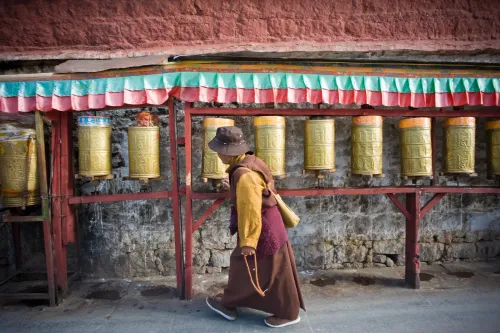
The report details how the CCP governs Tibet through pervasive coercion. Surveillance cameras, checkpoints, and digital monitoring systems are said to suffocate daily life. The Tibetan language has been sidelined, with children reportedly compelled to attend Mandarin-only boarding schools. Monasteries face regular raids, monks are arrested, and displaying images of the Dalai Lama is banned, according to the report. These measures, the report concludes, have intensified estrangement rather than fostered integration.
Tibet Declared an 'Information Black Hole'
The concerns extend beyond political grievances to press freedom. International organisation Reporters Without Borders (RSF) has strongly condemned sweeping restrictions placed by Chinese authorities on media access to Tibet following devastating flash floods in the region. RSF said that no independent Tibetan or international news organisation has been permitted to cover the disaster zone.
Aleksandra Bielakowska, Head of Advocacy at RSF Asia-Pacific, stated: 'No independent Tibetan media, nor any international media, are permitted to freely cover news from this autonomous region. The only outlets allowed to operate are those controlled by the state and its propaganda organs, which report on events according to the guidelines approved by the Chinese Communist Party's Propaganda Department. Under these circumstances, it is virtually impossible to gauge the true scale of the tragedy.'
RSF noted that, in the aftermath of the floods, only state media were authorised to operate in Tibetan areas — with coverage focused on highlighting Beijing's relief efforts rather than providing an independent account of the scale of devastation. Bielakowska described Tibet as a 'de facto information black hole' under President Xi Jinping's leadership in recent years.
Cross-Border Disaster Compounds Concern
The floods in question originated in the Tibetan region of China on 26 August and swept through the transboundary Bhote Koshi River into Nepal's Rasuwa district, reportedly killing over 1,000 people and causing widespread destruction across the Himalayan nation. The media blackout in Tibet, critics argue, has made it impossible to independently assess the disaster's full impact on both sides of the border.
The dual narrative — of a population that reportedly rejects CCP rule and a media environment that prevents independent scrutiny — underscores what analysts describe as an enduring governance crisis in one of Asia's most geopolitically sensitive regions.
Point of View
And its conclusions should be read in that context — but the structural facts it cites are independently corroborated: Tibetan-language restrictions, monastery surveillance, and the Dalai Lama image ban are documented by UN bodies and international human rights organisations. What makes this cycle notable is the convergence of the long-run political grievance with a live humanitarian event: the Bhote Koshi floods gave the world a real-time test of China's information controls, and Beijing failed it conspicuously. When RSF — not a Tibetan advocacy group — declares a region an 'information black hole' in the aftermath of a cross-border disaster that killed over 1,000 people in Nepal, the credibility cost to Beijing extends well beyond the Tibet question into its broader claim of responsible great-power status.
NationPress
17 Sept 2026
Frequently Asked Questions
Why do Tibetans reportedly have no trust in the Chinese Communist Party?
According to a report in The Tibet Express, the CCP entered Tibet in 1950 promising autonomy and respect for Tibetan traditions, but those commitments collapsed within a decade. Decades of surveillance, forced Mandarin-only schooling, monastery raids, and a ban on images of the Dalai Lama have deepened alienation rather than built consent.
What did Khedroob Thondup say about Tibet and the CCP?
Khedroob Thondup, nephew of the 14th Dalai Lama, wrote in The Tibet Express that Tibetans would choose secession in a free referendum — not out of ideology but out of lived experience. He stated that China's track record 'leaves them no other path'.
Why has Reporters Without Borders criticised China over Tibet?
RSF condemned Beijing for barring all independent Tibetan and international media from covering flash floods that struck the Tibetan region on 26 August 2026. Only state media were authorised to report from the area, with coverage focused on Beijing's relief achievements rather than the scale of devastation.
What were the Bhote Koshi floods and how do they relate to Tibet?
The flash floods originated in the Tibetan region of China on 26 August and swept through the transboundary Bhote Koshi River into Nepal's Rasuwa district, reportedly killing over 1,000 people. The disaster drew attention to China's media blackout in Tibet because independent journalists were unable to assess the full cross-border impact.
What restrictions does China impose on daily life in Tibet, according to the report?
The Tibet Express report states that the CCP governs Tibet through surveillance cameras, checkpoints, and digital monitoring. It says the Tibetan language has been sidelined in favour of Mandarin-only boarding schools, monasteries face raids, monks are arrested, and displaying images of the Dalai Lama is banned.