Mekedatu dam row: Tamil Nadu CM Vijay urges PM Modi to deny approval without basin states' nod
Synopsis
Tamil Nadu CM C. Joseph Vijay has formally asked PM Modi to block all Central approvals for Karnataka's Mekedatu dam unless every Cauvery basin state agrees — a direct challenge triggered by Central officials visiting the dam site. With delta farmers' livelihoods and a decades-old inter-state water dispute at stake, the letter puts the Union government squarely in the middle of one of India's most volatile river conflicts.
Key Takeaways
Joseph Vijay wrote to PM Narendra Modi on 6 November opposing any approval for the Mekedatu dam project.
The letter was triggered by a visit by Central government officials to the proposed dam site in Karnataka to assess feasibility.
Vijay warned that unilateral dam construction could reduce downstream Cauvery flows, threatening farmers in Tamil Nadu's delta districts.
He demanded that no Central ministry or statutory body extend approval or support without the consent of all Cauvery basin states .
The Mekedatu project has been a longstanding dispute between Karnataka and Tamil Nadu , with the latter consistently opposing it under the existing water-sharing framework.
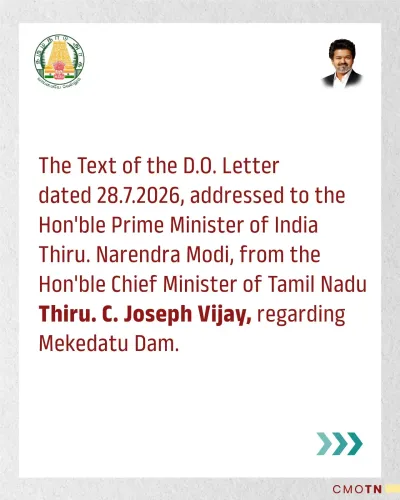
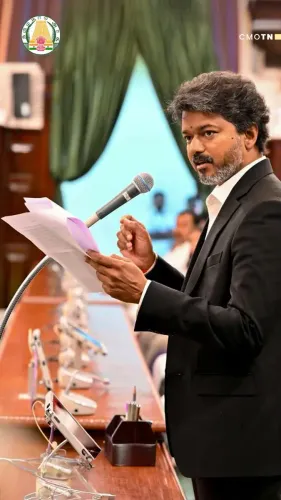
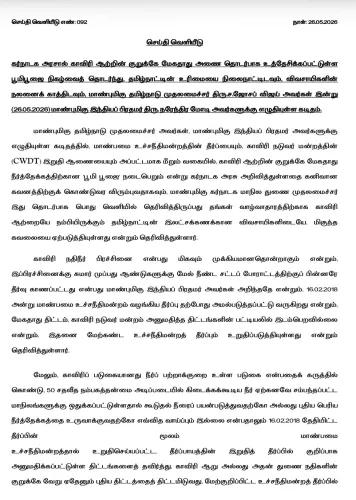
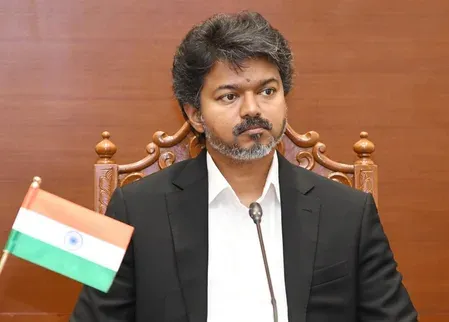
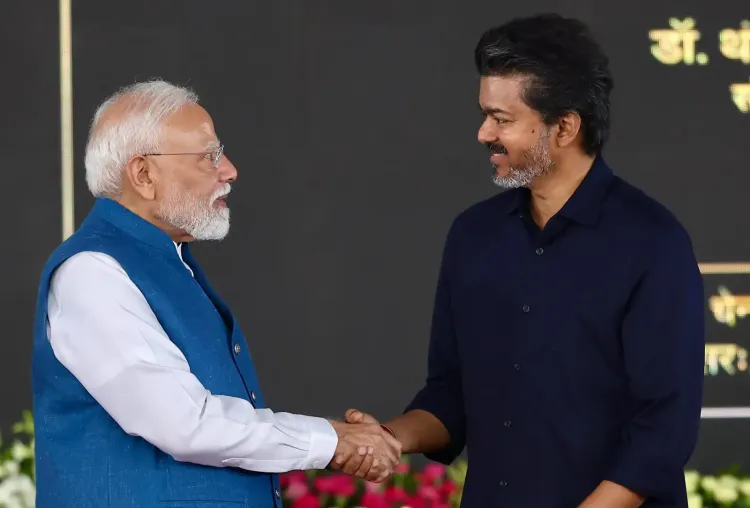
Tamil Nadu Chief Minister C. Joseph Vijay has formally urged Prime Minister Narendra Modi to withhold any statutory or administrative approval for Karnataka's proposed Mekedatu dam project on the Cauvery River unless all basin states give their explicit consent. In a letter dated 6 November, Vijay warned that the project poses a serious threat to the livelihoods of farmers across Tamil Nadu's agriculturally critical delta districts.
What Prompted the Letter
The Chief Minister's intervention follows a visit by Central government officials to the proposed dam site in Karnataka to assess the project's feasibility. Vijay questioned the rationale behind conducting field inspections while the project remains actively disputed among the Cauvery basin states. He argued that any forward movement without securing the necessary inter-state consensus would undermine established water-sharing arrangements and federal principles governing inter-state river disputes.
Tamil Nadu's Core Objections
Vijay stressed that the Cauvery River is the primary source of irrigation and drinking water for Tamil Nadu, particularly for thousands of farming families in the delta region. He cautioned that unilateral construction of the Mekedatu dam could reduce water availability downstream, directly jeopardising agricultural output and the economic security of farmers who depend on the river's seasonal flows.
The Chief Minister called upon the Union government to ensure that no Central ministry, department, or statutory authority extends approval or logistical support to Karnataka's proposal without first addressing Tamil Nadu's objections and obtaining the consent of all concerned states.
The Broader Cauvery Dispute
The Mekedatu project has remained a persistent flashpoint between Karnataka and Tamil Nadu for years. Karnataka has maintained that the balancing reservoir — proposed at the confluence of the Cauvery and Arkavathi rivers — is essential for meeting Bengaluru's drinking water needs and improving water storage. Tamil Nadu has consistently opposed the project, arguing it would curtail the downstream flow guaranteed under the existing Cauvery Water Management Framework.
Notably, this is not the first time Tamil Nadu has formally objected at the Centre's level; earlier administrations have also raised similar concerns, reflecting the deep-rooted and unresolved nature of the inter-state water conflict.
What Vijay Demanded from the Centre
Beyond blocking approvals, Vijay urged the Prime Minister to ensure the Union government adopts a fair and impartial stance in all inter-state river disputes, particularly where farming communities' livelihoods are at stake. He emphasised strict adherence to the existing Cauvery water management framework as the only legitimate basis for any future decisions regarding the river's use.
What Happens Next
The letter is expected to sharpen political tensions between the two states and renew pressure on the Centre to clarify its position on the Mekedatu project. Water rights advocates and farmer organisations in Tamil Nadu are likely to amplify calls for stronger federal safeguards. Any Central response — or silence — will be closely watched by both state governments ahead of the next scheduled review of Cauvery water-sharing arrangements.
Point of View
Which would force Tamil Nadu's hand politically. What mainstream coverage often underplays is that the Cauvery dispute is not merely a water issue — it is an electoral one, with delta farming constituencies carrying decisive weight in Tamil Nadu. The Union government's posture here will be read as a signal of whose interests it is willing to protect, and any perception of favouring Karnataka could have direct consequences at the ballot box. The deeper structural problem — that India still lacks a robust, enforceable inter-state river dispute resolution mechanism — remains unaddressed, and the Mekedatu row is the latest symptom of that institutional gap.
NationPress
7 Nov 2026
Frequently Asked Questions
What is the Mekedatu dam project and why is it controversial?
The Mekedatu dam is a proposed balancing reservoir on the Cauvery River at the confluence with the Arkavathi river in Karnataka, intended primarily to meet Bengaluru's drinking water needs. Tamil Nadu opposes it, arguing the structure would reduce downstream water flows guaranteed to it under the existing Cauvery water-sharing framework.
Why did Tamil Nadu CM Vijay write to PM Modi now?
The letter, dated 6 November, was prompted by a visit from Central government officials to the proposed Mekedatu dam site in Karnataka to examine the project's feasibility. Vijay argued that conducting such inspections while the project remains disputed among basin states signals a premature move toward approval.
What exactly is Vijay asking the Centre to do?
Vijay has urged PM Modi to ensure that no Central ministry, department, or statutory authority grants any form of approval or administrative support to the Mekedatu project without first securing the consent of all Cauvery basin states and addressing Tamil Nadu's formal objections.
How does this affect Tamil Nadu's farmers?
The Cauvery River is the primary irrigation and drinking water source for Tamil Nadu's delta districts, which are home to thousands of farming families. Tamil Nadu argues that any reduction in downstream flows caused by the dam could directly harm agricultural output and the economic security of these communities.
What is the existing framework governing Cauvery water sharing?
The Cauvery Water Management Framework is the established inter-state arrangement governing how river waters are allocated among basin states including Karnataka, Tamil Nadu, Kerala, and Puducherry. Tamil Nadu maintains that any new infrastructure on the Cauvery must comply with this framework and cannot be built without the consent of all parties.