Trump announces last US forces leaving Iraq, ends 23-year military presence
Synopsis
After 23 years, more than 4,500 lives lost, and two distinct phases of war, President Trump declared the last American forces are leaving Iraq — framing the Erbil Air Base withdrawal as a victory over ISIS and a deliberate break from what he called decades of 'bad decision-making.' The announcement closes a chapter that defined a generation of US foreign policy.
Key Takeaways
President Trump announced on 1 October 2026 that the last US forces are withdrawing from Iraq , ending over 23 years of military involvement.
The withdrawal from Erbil Air Base includes all US personnel and equipment, with Trump stressing nothing was left behind.
Trump declared Operation Inherent Resolve — the anti-ISIS coalition campaign launched in 2014 — formally concluded under his presidency.
The US lost more than 4,500 soldiers and recorded over 31,000 injuries during the conflict, according to Trump.
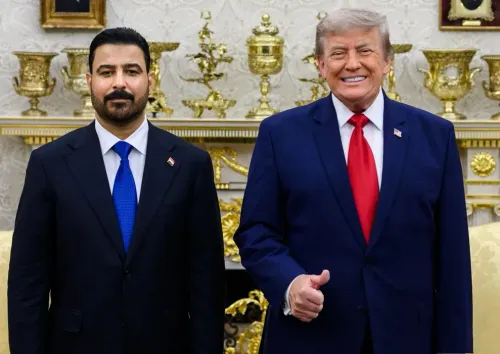
Trump praised Iraqi Prime Minister Ali al-Zaidi and said the US is leaving with a new Iraqi government in place.
Trump repeatedly contrasted the exit with the 2021 Afghanistan withdrawal , emphasising this departure was orderly.
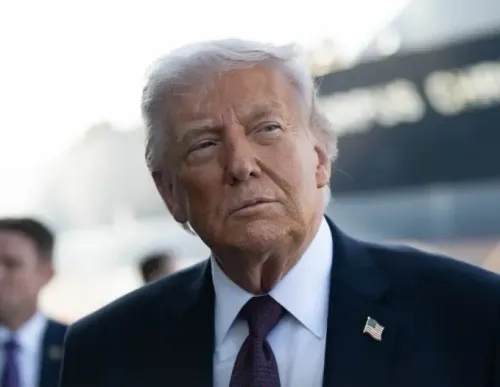
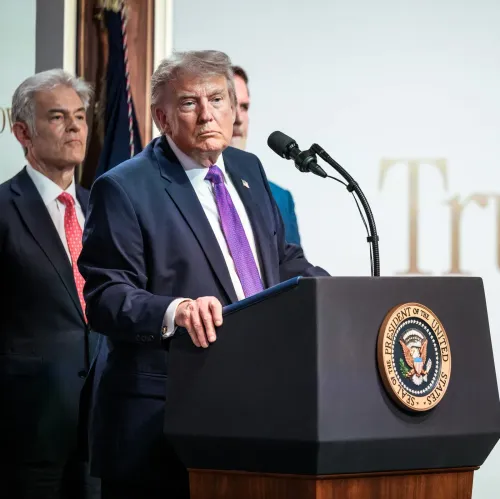
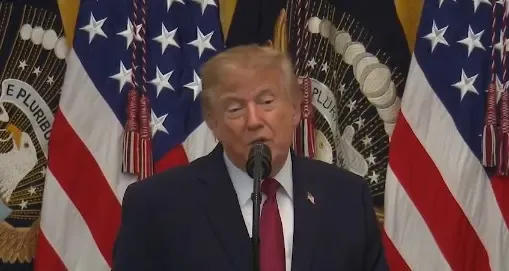
President Donald Trump on Wednesday, 1 October 2026, announced that the last American forces are withdrawing from Iraq, declaring a formal end to a US military involvement stretching back more than 23 years. Speaking at a White House event marking National Hispanic Heritage Month, Trump framed the departure as a decisive victory for both nations and a final chapter in the campaign against the Islamic State (ISIS).
Trump's Announcement: Key Remarks
Trump described the withdrawal as long overdue, tracing the origins of US involvement to the 2003 invasion under President George W. Bush. 'It's been a long time with very bad decision-making that got us involved in this quagmire in the first place,' he said. He also referenced Operation Inherent Resolve — the US-led coalition campaign launched in 2014 against ISIS — declaring it formally concluded under his leadership in 2026.
Trump repeatedly contrasted the Iraq exit with the 2021 US withdrawal from Afghanistan, emphasising that this departure was orderly and that all personnel and equipment were removed. 'This orderly departure of coalition forces and equipment from Erbil Air Base marks the end of a very expensive excursion into hell,' he said. 'And again, we took all of our equipment.'
The Human and Financial Cost of Two Decades
Trump cited the toll of the prolonged military engagement, stating that the United States had lost more than 4,500 soldiers and sustained over 31,000 injuries, with hundreds of civilian contractors also killed during the conflict. He described his decision to withdraw as a rejection of pressure to maintain a permanent footprint in the country. 'A lot of people wanted us to be permanently there. I had a choice to stay or to leave, and felt without question that it was time for America to go home,' he said.
Iraq's New Government and the ISIS Defeat
Trump praised Iraqi Prime Minister Ali al-Zaidi, whom he said he had backed during Iraq's elections, and said the US was leaving with a new government in place. He framed the full withdrawal as both a military and political success, linking it directly to the dismantling of ISIS's territorial caliphate. 'We came to fight a caliphate, and there is no longer a caliphate, so we are going home indeed,' he said.
Historical Context: From 2003 to 2026
The US-led invasion of Iraq in March 2003 toppled the government of Saddam Hussein. Most American troops were withdrawn by 2011, but forces returned in 2014 after ISIS seized large swathes of Iraq and Syria. The renewed campaign, conducted under a multinational coalition framework, successfully dismantled the ISIS territorial caliphate, though sporadic militant activity has persisted. This latest withdrawal signals the definitive end of that second phase of engagement, which spanned multiple US administrations.
With US forces now out, attention will turn to whether Iraq's security forces can independently contain residual militant threats — and what the departure means for the broader regional balance involving Iran, Kurdish factions, and remaining coalition partners.
Point of View
But its strategic durability is the real question. The ISIS caliphate was territorially defeated years ago; what lingers is a dispersed insurgency that Iraqi forces have struggled to contain alone. Framing a phased, negotiated drawdown as a victory — and contrasting it with Afghanistan — is deliberate political stagecraft, but the Afghanistan parallel cuts both ways: the Taliban's return after US withdrawal is precisely the scenario regional analysts fear for ISIS remnants in Iraq. Whether this becomes a genuine 'mission accomplished' or a future liability depends entirely on what happens in Baghdad over the next 24 months.
NationPress
1 Oct 2026
Frequently Asked Questions
Why is the US withdrawing all forces from Iraq in 2026?
President Trump announced the withdrawal citing the defeat of ISIS's territorial caliphate, which was the stated mission of the US-led Operation Inherent Resolve launched in 2014. He said the US came to fight a caliphate and, with none remaining, it was time for American forces to return home.
What is Operation Inherent Resolve and when did it end?
Operation Inherent Resolve was the US-led international coalition campaign launched in 2014 to combat the Islamic State group after it seized large areas of Iraq and Syria. Trump declared it formally concluded in 2026, under his presidency.
How long was the US militarily involved in Iraq?
The US military involvement in Iraq spanned approximately 23 years. It began with the March 2003 invasion that toppled Saddam Hussein, continued through a partial withdrawal in 2011, and resumed in 2014 with the anti-ISIS coalition campaign.
What was the human cost of the US presence in Iraq?
According to Trump, more than 4,500 American soldiers were killed and over 31,000 were injured during the conflict. Hundreds of civilian contractors were also killed, he said.
Who is Iraqi Prime Minister Ali al-Zaidi?
Ali al-Zaidi is Iraq's Prime Minister, whom Trump praised at the withdrawal announcement and said he had supported during Iraq's elections. Trump said the US is departing with a new Iraqi government in place.