US troops to exit Iraq by September 30, Trump confirms energy pivot
Synopsis
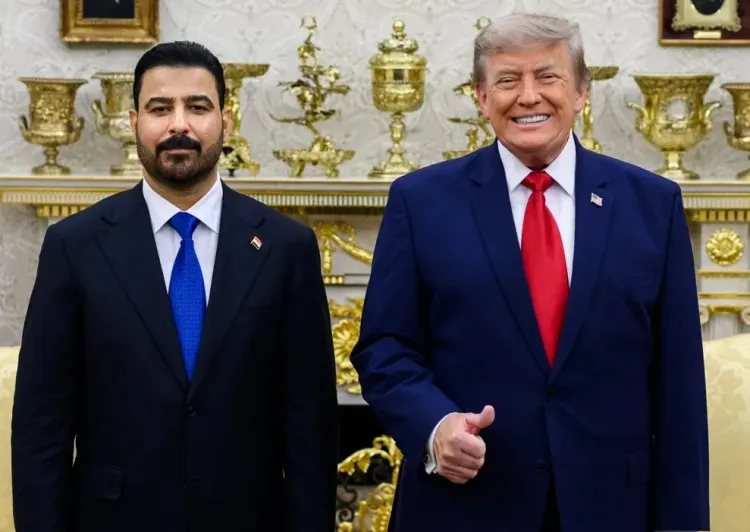
In a landmark Oval Office meeting on 14 July, President Trump confirmed a 30 September deadline for all US troops to leave Iraq — closing a chapter that began with the 2003 invasion. The pivot is explicitly commercial: American oil companies are poised to fill the space that soldiers vacate, in a bet that energy deals can deliver the stability that two decades of military presence could not.
Key Takeaways
President Donald Trump confirmed on 14 July that the United States no longer requires a military presence in Iraq .
Iraqi Prime Minister Ali al-Zaidi stated that US forces will withdraw by 30 September 2025 , while American companies will remain inside Iraq.
Trump cited Iran’s weakened regional military power as a key factor enabling the withdrawal.
Major US-Iraq energy partnership announcements are expected within days, described by Trump as ‘among the largest’ ever.
Al-Zaidi pledged that Baghdad will restrict weapons possession exclusively to the state, signalling a crackdown on Iran-aligned armed factions.
The withdrawal marks one of the most significant shifts in US Middle East military posture in two decades.
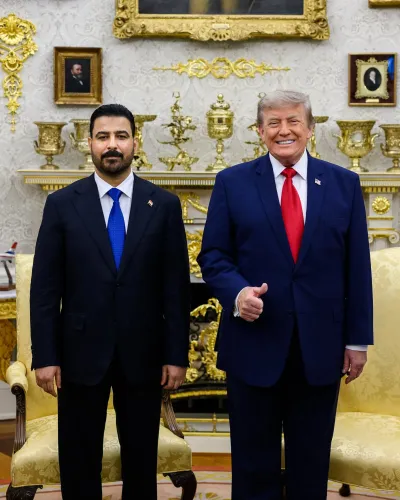
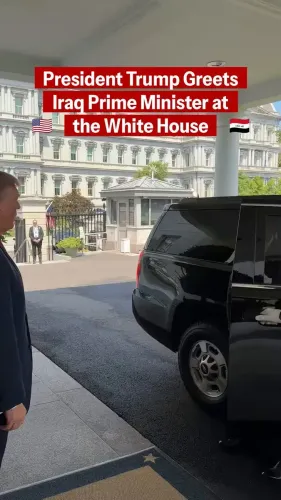
President Donald Trump on Tuesday, 14 July declared that the United States no longer requires a military presence in Iraq, signalling a decisive shift from security engagement to economic partnership as American energy companies prepare large-scale investments in the country. Iraqi Prime Minister Ali al-Zaidi, hosting his first White House meeting with Trump, confirmed that US forces will withdraw from Iraq by 30 September 2025.
What Trump Said at the Oval Office
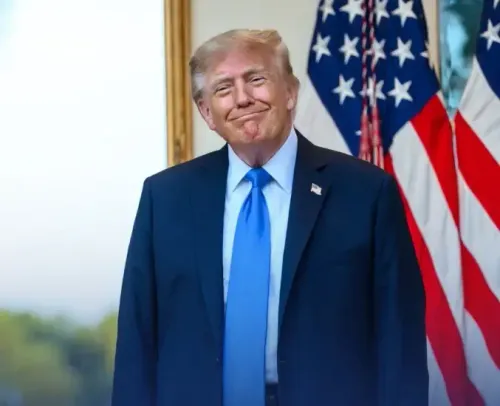
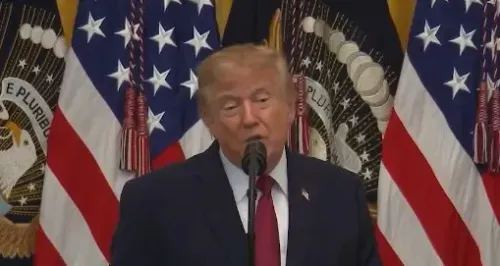
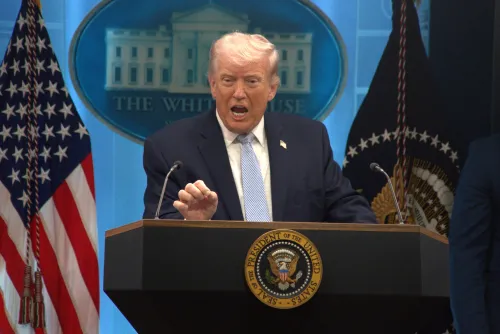
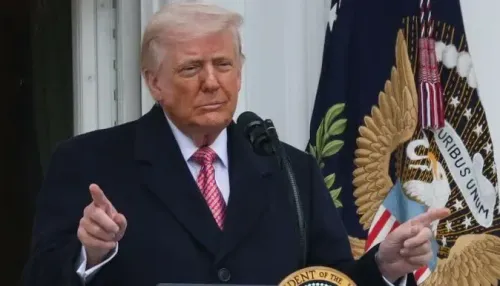
Speaking alongside al-Zaidi during their Oval Office meeting, Trump told reporters: “We don’t think we need the military there anymore.” He framed the shift in explicitly commercial terms, pointing to oil sector partnerships as the new foundation of the bilateral relationship. “The oil companies are all going in now, and they’re doing partnerships with Iraq, and they’re getting along very well,” he said. “The relationship is a whole big relationship where we don’t need the military there.”
Trump added that the United States would retain a protective role if circumstances demanded it — “We’re there to help them. We’re there to protect them, if need be, but we don’t think that’s going to be necessary” — but stressed that the default posture had fundamentally changed.
Iran’s Weakened Position as a Driver
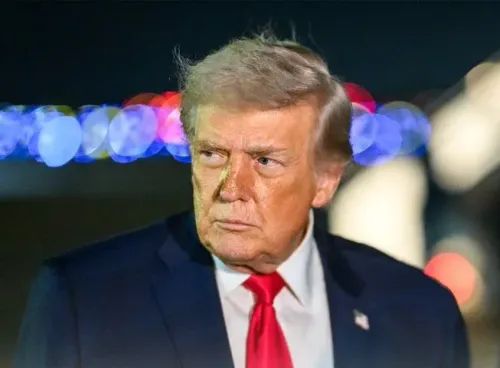
Trump linked the withdrawal calculus directly to what he described as Iran’s diminished regional influence. “Iran has been very much destabilised, and really their military power is just a tiny fraction of what it was just four months ago,” he said. “They’re not going to have that problem anymore.” He argued this changed regional landscape had encouraged American companies to expand investments in Iraq “at levels that have never been seen before.”
Energy Deals at the Centre of the New Relationship
Trump indicated that major energy partnership announcements between American and Iraqi companies were imminent. “We have tremendous oil partnerships all of a sudden being formed over the last short period of time,” he said. “They’ll be announcing them this week or next week, but massive, among the largest.” Al-Zaidi characterised his Washington visit not as a routine diplomatic call but as an “announcement of economic partnership,” adding: “30th of September, the US forces would be out of Iraq… while US companies will be inside Iraq.”
Baghdad’s Security Agenda After the Withdrawal
Al-Zaidi used the White House platform to outline Baghdad’s post-withdrawal security doctrine, stating that his government intends to ensure only the state controls weapons. “Our programme… is to restrict the possession of weapons to the state. This is like a decision, it’s not an option,” he said through an interpreter. He added that after 30 September, “there is no need for the presence of any faction” and that Iraq would “never accept for any entity to carry weapons outside the control of a state” — a pointed reference to Iran-aligned armed groups operating on Iraqi soil.
Background and What Comes Next
The United States has maintained troops in Iraq for years as part of the coalition assembled to combat the Islamic State group and to bolster Iraqi security forces. Washington and Baghdad have been negotiating a phased transition from coalition military operations to a bilateral framework centred on training, intelligence cooperation, and economic engagement. Trump repeatedly praised al-Zaidi during the meeting, predicting a larger regional role for the Iraqi leader: “I think he’s going to end up being a great leader. His influence is going to spread throughout the Middle East.” The confirmed 30 September deadline now sets a firm timeline for one of the most significant shifts in US Middle East military posture in two decades.
Point of View
But the underlying logic deserves scrutiny. Trump’s framing — that Iran’s diminished power makes the troops redundant — assumes that degradation is durable and that Baghdad can actually enforce its weapons-monopoly pledge against entrenched Iran-aligned factions. Neither is guaranteed. The pivot to oil partnerships as a stability mechanism is also untested: American energy investment has not historically translated into security dividends in fragile states. What is clear is that the transactional model — soldiers out, oil companies in — represents a genuine doctrinal shift, and al-Zaidi’s willingness to anchor his political identity to it suggests he is betting his premiership on it holding.
NationPress
13 Oct 2026
Frequently Asked Questions
When will US troops leave Iraq?
US troops are confirmed to leave Iraq by 30 September 2025 , according to Iraqi Prime Minister Ali al-Zaidi’s statement at the White House on 14 July. President Trump also confirmed the shift, saying the US no longer needs a military presence in the country.
Why is the United States withdrawing troops from Iraq?
President Trump cited two main reasons: the rise of major US-Iraq energy and oil partnerships that reframe the bilateral relationship around commerce, and what he described as Iran’s significantly weakened regional military influence. He argued both factors made a continued military presence unnecessary.
What will replace the US military presence in Iraq?
American energy companies are set to take centre stage, with Trump indicating that major oil partnership announcements between US and Iraqi firms are expected within days, describing them as ‘among the largest’ ever formed. The bilateral framework will shift toward trade, investment, and energy cooperation.
What is Iraq’s security plan after the US withdrawal?
Prime Minister al-Zaidi stated that Baghdad intends to restrict weapons possession exclusively to the Iraqi state, describing it as ‘a decision, not an option.’ He said after 30 September there would be no need for the presence of any armed faction outside state control — a direct reference to Iran-aligned militia groups.
How long have US troops been in Iraq?
The United States has maintained a military presence in Iraq for years as part of the coalition formed to combat the Islamic State group and to support Iraqi security forces. Washington and Baghdad had been negotiating a phased transition toward a bilateral framework focused on training, intelligence, and economic engagement before Tuesday’s announcement formalised the exit timeline.