Trump Intensifies US-NATO Tensions by Labeling Allies as 'Cowards'
Synopsis
Tensions between US President Donald Trump and NATO escalated as he criticized alliance members for their reluctance to assist in securing the Strait of Hormuz. This confrontation raises questions about NATO's future and collective defense commitments.
Key Takeaways
Trump criticizes NATO allies for not aiding in the Strait of Hormuz.
Concerns arise regarding NATO's cohesion and future.
Strait of Hormuz is vital for global energy transit.
NATO members view the Iran conflict differently from the US.
Trump demands increased defense spending from NATO partners.
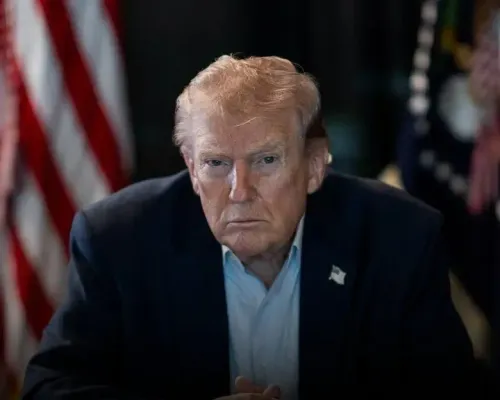
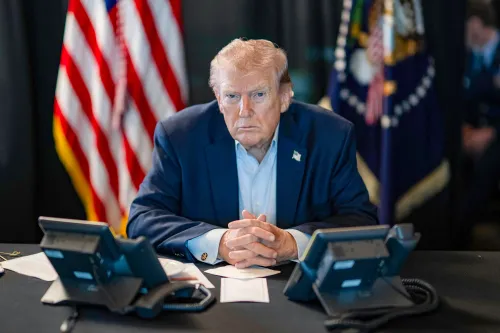
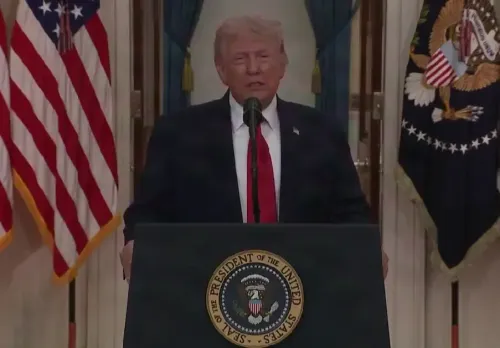
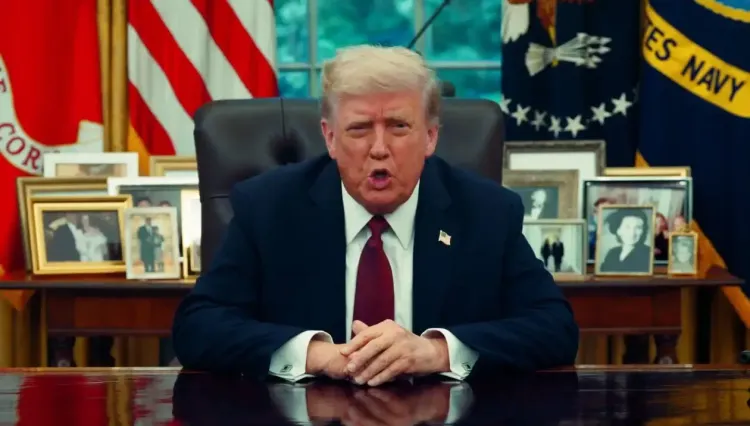
New York, March 20 (NationPress) The divide between US President Donald Trump and NATO has widened significantly as he labeled the alliance members as “cowards” and cautioned that he would “remember” their unwillingness to assist in opening the Strait of Hormuz.
“Without the USA, NATO IS A PAPER TIGER,” he expressed on Truth Social.
He pointed out that while NATO allies complain about soaring oil prices, they hesitate to contribute to opening the Strait of Hormuz, which he characterized as a straightforward military operation and the primary cause of elevated prices.
Trump’s remarks pose a risk to NATO’s cohesion, which has been a cornerstone of collective Western defense since World War II. He has wavered on ally roles while launching insults.
Earlier in the week, he stated, “We don’t need any help, actually,” but simultaneously sought support, at least in the form of minesweepers to ensure safe navigation through the strait.
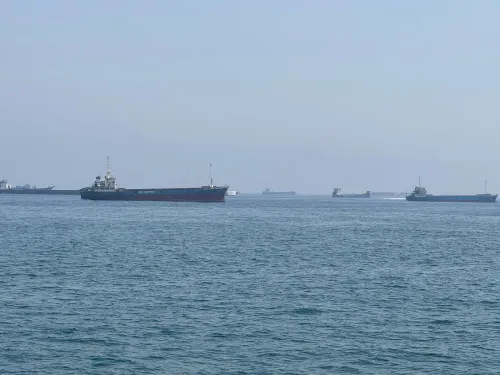
As the conflict involving Iran escalated beyond expectations, Tehran imposed restrictions on the strait, approximately 40 kilometers wide, through which 20 percent of global energy transit, resulting in a worldwide oil and gas shortage. Energy prices have surged globally, impacting affordability in the US and complicating Trump’s economic agenda.
After entering the war, Trump called for NATO assistance to secure the strait while aligning with Israel and without prior consultations with allies, initially rejecting Britain’s proposal to deploy aircraft carriers. European allies have characterized the Iran conflict as a war of choice, rather than a defensive initiative.
France’s President Emmanuel Macron remarked, “We are not party to the conflict and therefore France will never take part in operations to open or liberate the Strait of Hormuz in the current context.”
On Tuesday, Trump remarked, “The United States has been informed by most of our NATO ‘Allies’ that they don’t want to get involved with our Military Operation against the Terrorist Regime of Iran.”
The US contributes a disproportionately larger share to NATO’s $3.3 billion budget, accounting for 16 percent.
Trump has consistently voiced concerns that NATO is not pulling its weight in joint defense, demanding that members increase defense spending to 5 percent of GDP. With the exception of Spain, NATO members have agreed to this target.
While diving into the Iran conflict without consulting allies, NATO members perceive the war as not involving them militarily, as their primary focus remains on Europe’s security, which is threatened by Russia’s invasion of Ukraine.
Trump, however, prioritizes issues in the Middle East and Latin America, even threatening to invade NATO allies Canada and Denmark to seize Greenland.
He has criticized Europe’s stance regarding Ukraine, repeatedly accusing Kyiv of failing to negotiate a resolution with Russia to end the ongoing war, now in its fourth year.
Point of View
The ongoing friction between President Trump and NATO allies highlights a critical juncture in international relations, calling into question the effectiveness and future of collective defense agreements. The consequences of these statements warrant careful examination.
NationPress
29 Sept 2026
Frequently Asked Questions
Why did Trump call NATO allies 'cowards'?
Trump labeled NATO allies 'cowards' due to their reluctance to assist in military operations to secure the Strait of Hormuz, which he believes is crucial for addressing high oil prices.
What is the significance of the Strait of Hormuz?
The Strait of Hormuz is a key maritime route through which approximately 20 percent of the world's oil passes, making it critical for global energy security.
How does Trump's stance affect NATO?
Trump's criticisms and demands for increased defense spending could destabilize NATO's unity, raising concerns about collective security commitments among member nations.
What are NATO members' responses to Trump's comments?
NATO members, including France, have expressed their reluctance to engage militarily in the Iran conflict, viewing it as a war of choice rather than a defensive operation.
What are Trump's defense spending demands?
Trump has consistently demanded that NATO members increase their defense spending to 5 percent of their GDP, a target that has been agreed upon by most members except Spain.