Trump Expresses Frustration Over NATO Allies' Inaction
Synopsis
In a recent Oval Office meeting with Irish Prime Minister Micheál Martin, President Trump expressed his frustration over NATO allies' failure to support U.S. operations in the Strait of Hormuz, highlighting the effectiveness of U.S. actions against Iran and the implications of European inaction.
Key Takeaways
Trump's anger over NATO allies' inaction.
Significant U.S. military actions against Iran.
Senator Graham's criticism of European support.
Importance of the Strait of Hormuz in global security.
Call for diplomatic solutions regarding Iran.
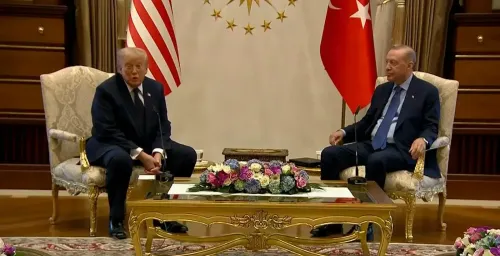
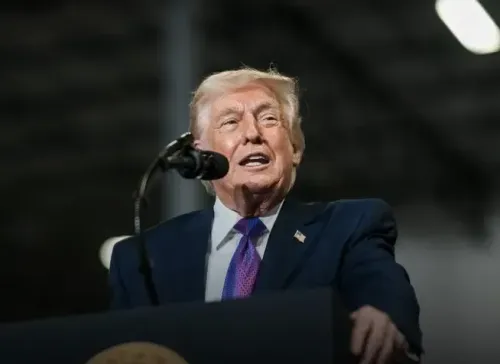
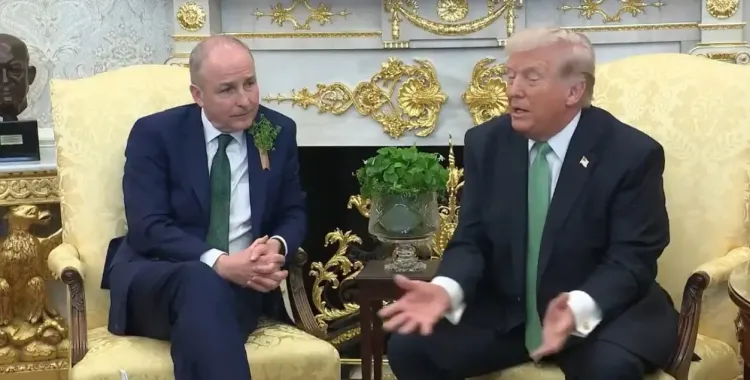
Washington, March 17 (NationPress) U.S. President Donald Trump is reportedly “angry” regarding the lack of support from European allies for operations in the Strait of Hormuz, as stated by Senator Lindsey Graham on Tuesday. Trump voiced his concerns about NATO not supporting U.S. strikes against Iran during a meeting with Irish Prime Minister Taoiseach Micheál Martin.
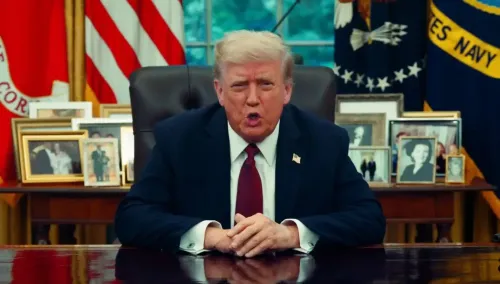
While meeting Prime Minister Martin at the Oval Office, Trump expressed that the U.S. took decisive action against Iran without needing allied support, even as he critiqued NATO’s response to the situation.
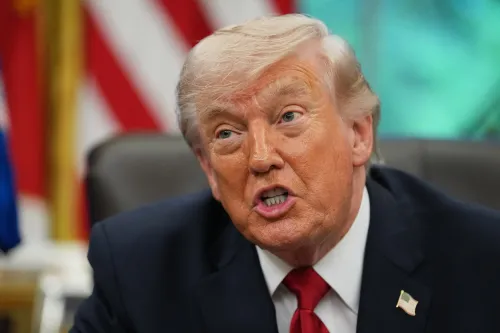
“We don’t need too much help, and we don’t need any help actually,” Trump asserted. “This is a great test, because we don’t need them, but they should have been there.”
He pointed out that while NATO allies agreed in principle to support the actions, they did not provide tangible contributions. “I was surprised to see that NATO, while they agreed that it was a very important thing to do… when they say it was a threat, but we’re not gonna help, I think they’re very foolish,” he remarked.
Trump further claimed that the U.S. operation had significantly weakened Iran’s military strength. “We’ve wiped out their navy, wiped out their military of every aspect. Their Air Force is now decimated,” he noted, emphasizing, “they have no air force, no navy, they have no radar.”
He reiterated the intention behind the operation was to thwart Tehran from obtaining nuclear weapons. “They would have had a nuclear weapon within one month,” Trump stated, adding that “Iran was a tremendous threat.”
Simultaneously, he acknowledged the backing from regional partners. “We’ve had great support from the Middle East,” he said, highlighting contributions from Qatar, the UAE, Saudi Arabia, and Bahrain, also noting, “Israel’s been very, very strong… It’s been a very strong collaboration.”
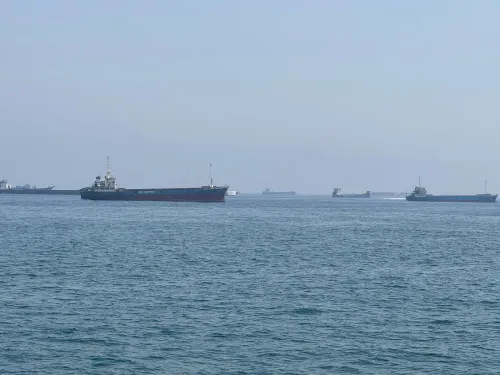
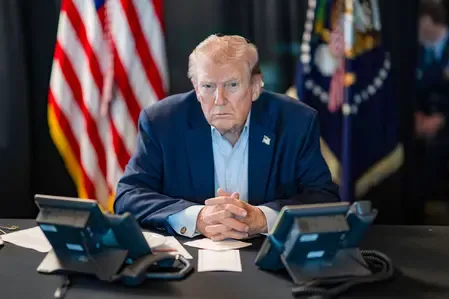
Senator Graham mentioned his conversation with Trump regarding the absence of European support in securing the Strait of Hormuz. “I have never heard him so angry in my life,” he said, sharing his frustration over “our European allies’ unwillingness to provide assets to keep the Strait of Hormuz functioning.”
He criticized the arrogance of allies who view Iran with a nuclear weapon as a minor concern, labeling the European strategy to contain Iran’s nuclear ambitions as a complete failure.
Graham cautioned about the serious implications. “The repercussions of providing little assistance to keep the Strait of Hormuz functioning are going to be wide and deep for Europe and America,” he warned.
Additionally, he condemned Europe’s handling of Iran, stating, “The European approach to containing the ayatollah’s nuclear ambitions has proven to be a miserable failure,” which led him to “second-guess the value of these alliances.”
Vice President JD Vance also highlighted the ongoing threats in the region, noting, “There have been a lot of militia attacks against our base… and we’ve got to eliminate them when we find them,” stressing that these groups “can’t” be allowed to acquire nuclear capabilities.
Prime Minister Martin adopted a more conciliatory tone, emphasizing the significance of U.S.-Europe relations. “The transatlantic relationship between Europe and the U.S. is very, very important,” he remarked, asserting that despite tensions, “we can get a landing zone again.”
He acknowledged that Iran represents a serious risk but underscored the necessity of diplomacy, stating, “You cannot have a rogue state with a nuclear weapon,” while expressing the desire for a peaceful resolution to the conflict.
Point of View
Emphasizing the need for stronger alliances and responses to threats from Iran, while also highlighting the importance of diplomacy.
NationPress
20 Sept 2026
Frequently Asked Questions
Why is Trump angry with NATO allies?
Trump is frustrated over NATO allies' refusal to support U.S. operations in the Strait of Hormuz, particularly regarding actions against Iran.
What actions did the U.S. take against Iran?
The U.S. conducted operations that Trump claims have significantly weakened Iran's military capabilities, including their navy and air force.
What did Senator Graham say about European support?
Senator Graham expressed his anger at European allies for not providing necessary support to secure the Strait of Hormuz.
What is the significance of the Strait of Hormuz?
The Strait of Hormuz is a crucial passage for oil shipments and military operations, making its security vital for both Europe and America.
What is Prime Minister Martin's stance on the situation?
Prime Minister Martin emphasized the importance of U.S.-Europe relations and the need for a diplomatic resolution regarding Iran.