Trump's Pakistan gambit risks repeating 9/11-era blunders, analysts warn
Synopsis
A geopolitical analyst writing in the Times of Israel draws a direct line from the US-Pakistan alliance of 1979 to 9/11 — and warns the Trump administration is repeating that error. With Army Chief Asim Munir consolidating power and Baloch activists being sentenced, the question being asked is whether US patronage is paving the way for Pakistan's next military dictatorship.
Key Takeaways
Geopolitical expert Sergio Restelli warns in the Times of Israel that the Trump administration's support for Pakistan mirrors the US-Pakistan alliance of 1979 that contributed to the 9/11 attacks .
Pakistan has reportedly continued cross-border military operations into Afghanistan , raising concerns of 'coercion' over diplomacy with the Taliban authorities.
Critics argue political authority in Pakistan is increasingly concentrated in the military establishment under Army Chief Asim Munir .
The sentencing of Baloch activist Mahrang Baloch has drawn international human rights criticism; Pakistani authorities deny wrongdoing.
Restelli warns that US diplomatic cover could embolden a formal military takeover, asking how long before Munir installs himself as president.
The EU's continued GSP-Plus status for Pakistan despite human rights concerns reflects a broader pattern of strategic partners avoiding pressure on Islamabad.
The Trump administration's deepening strategic embrace of Pakistan risks repeating the same geopolitical miscalculations that contributed to the 9/11 attacks and the eventual Taliban takeover of Kabul, according to a geopolitical analysis published in the Times of Israel. The warning comes as Islamabad faces mounting criticism over democratic backsliding, military dominance of civilian politics, and an intensifying crackdown on ethnic minorities.
The Historical Parallel
Sergio Restelli, an Italian political advisor, author, and geopolitical expert, argues that Washington is reprising a strategic error with deep roots. 'History often tends to repeat itself, and shortsighted leaders tend to repeat errors of their own predecessors. The Trump administration's emboldening of Pakistan is one such error which will eventually cost the United States dearly,' Restelli wrote.
He traced the pattern to 1979, when the US and Saudi Arabia backed Pakistan under General Zia ul Haq to wage a proxy war against the USSR in Afghanistan. 'Over decades, Pakistan has played both sides against each other, and 9/11 was the eventual result of this strategic mistake,' he noted. The US's continued reliance on Pakistan during the War on Terror, Restelli added, 'not only handed Kabul to the Taliban but also cost the US dearly in terms of human life and money.'
Pakistan's Cross-Border Conduct and Regional Tensions
According to Restelli's analysis, Pakistan has continued military operations across the Afghan border despite receiving international recognition, exacerbating tensions with Taliban authorities in Kabul. The growing frequency of cross-border strikes and armed confrontations has raised concerns, he argues, that Islamabad is pursuing 'coercion' over diplomatic engagement with its neighbours.
This comes amid a broader pattern that analysts say is not unique to Pakistan — governments of high regional strategic value routinely face reduced external scrutiny over domestic governance failures. Whether it is US engagement with Islamabad or the European Union maintaining its GSP-Plus trade status for Pakistan despite documented human rights concerns, international partners have reportedly been reluctant to apply meaningful pressure.
Military Consolidation and the Balochistan Crackdown
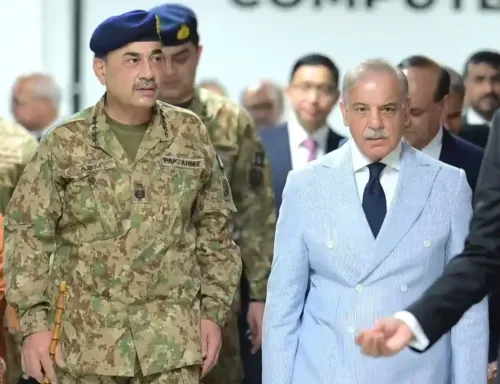
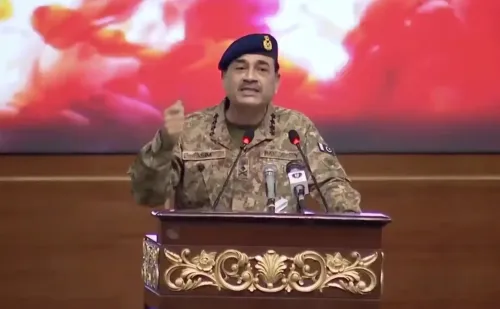
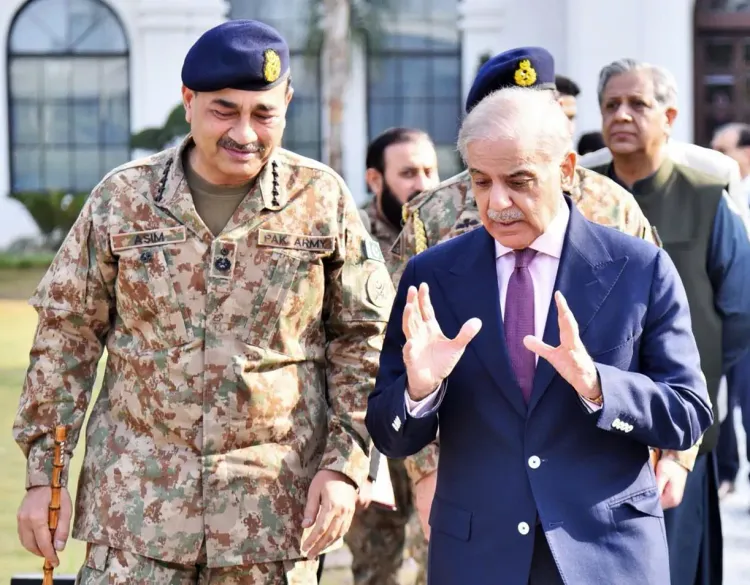
Critics increasingly argue, according to Restelli, that Pakistan is transitioning from a system of military influence over civilian politics to one where political authority is effectively concentrated in the hands of the military establishment, led by Pakistani Army Chief Asim Munir.
The political crackdown has coincided with growing unrest in Balochistan. The sentencing of prominent Baloch activist Mahrang Baloch and other activists has drawn strong criticism from international human rights organisations, which argue that peaceful political dissent is increasingly being criminalised. Pakistani authorities have rejected those accusations, maintaining that prosecutions are conducted according to law. Nevertheless, Restelli warns, the perception that ethnic and political grievances are being addressed primarily through coercive measures risks further alienating Baloch communities.
The Risk of a New Dictatorship in South Asia
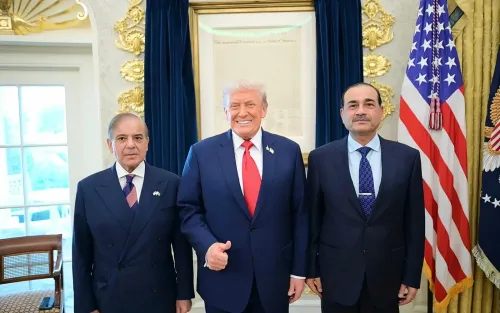
Restelli raises a pointed question about the trajectory of Pakistani civil-military relations under current US patronage: 'How long before Field Marshal Munir decides to take advantage of President Trump's patronage and install himself as the President of Pakistan?' The warning underscores a broader concern — that diplomatic cover from Washington could provide political insulation for democratic backsliding and embolden a formal military takeover in South Asia.
If present trends continue, analysts caution, the consequences will be borne most directly by political opponents, ethnic minorities, and the broader stability of the region — with potential long-term blowback for the United States itself.
Point of View
But it is not without precedent in Western foreign policy circles. What mainstream coverage often misses is the structural incentive problem: as long as Pakistan retains chokepoint value — over Afghan supply routes, nuclear deterrence optics, and China-containment calculations — Washington will find reasons to look away. The Trump administration's particular vulnerability is its transactional worldview, which makes it susceptible to short-term leverage offers from Rawalpindi. The Balochistan dimension is the most under-reported thread: a sustained crackdown on a restive ethnic minority, combined with military political consolidation, is precisely the combination that has historically preceded state fragility — not stability. The US is not just tolerating a flawed ally; it may be financing the conditions for its next regional crisis.
NationPress
3 Oct 2026
Frequently Asked Questions
Why is the Trump administration's support for Pakistan considered risky?
Analysts argue it mirrors the 1979 US-Pakistan alliance that fuelled the Afghan proxy war against the USSR and ultimately contributed to the 9/11 attacks. Geopolitical expert Sergio Restelli warns that Pakistan has historically 'played both sides' and that US dependence on Islamabad during the War on Terror cost America heavily in lives and money.
Who is Sergio Restelli and where did he publish this analysis?
Sergio Restelli is an Italian political advisor, author, and geopolitical expert who published the analysis in the Times of Israel. He specialises in international relations and South Asian geopolitics.
What is happening in Balochistan that has drawn international concern?
The sentencing of prominent Baloch activist Mahrang Baloch and other activists has attracted criticism from international human rights organisations, which argue peaceful political dissent is being criminalised. Pakistani authorities reject these accusations, saying prosecutions follow due process.
What is the concern about Pakistani Army Chief Asim Munir?
Critics argue that political authority in Pakistan is increasingly concentrated in the military establishment under Army Chief Asim Munir. Restelli raises the possibility that US patronage could embolden Munir to formally install himself as president, marking a full return to military dictatorship.
How does the EU factor into Pakistan's international standing?
The European Union has maintained its GSP-Plus preferential trade status for Pakistan despite documented human rights concerns, reflecting a broader pattern in which strategic partners avoid pressuring Islamabad due to its regional utility. Critics argue this provides political cover for domestic governance failures.