UGC Restructuring: Manish Joshi Exits, Shyama Rath Steps In

Synopsis
In a major shift within India's higher education sector, UGC Secretary Prof. Manish Joshi will be replaced by Prof. Shyama Rath amidst ongoing regulatory disputes. This transition could reshape the future of university governance in India.
Key Takeaways
Manish Joshi is being relieved of his duties.
Shyama Rath will take over on April 25, 2026.
Joshi's tenure focused on equity and transparency .
New regulations introduced in January 2026 faced significant backlash.
The Supreme Court has temporarily halted the new rules pending review.
New Delhi, April 11 (NationPress) In a noteworthy administrative shake-up in India's higher education landscape, the University Grants Commission (UGC) has announced the release of its Secretary, Prof. Manish R Joshi, from his role.
This change, sanctioned by the relevant authorities, is set to take effect on April 25, 2026. Prof. Shyama Rath, who is currently the Member Secretary of the All India Council for Technical Education (AICTE), will assume the additional responsibilities of UGC Secretary.
During his tenure, Prof. Joshi implemented numerous initiatives focused on enhancing equity, transparency, and accountability within universities. However, his time in office has also been marked by significant regulatory challenges.
In January 2026, the UGC put forth new regulations that required all higher education institutions to form “Equity Committees” and to improve grievance redressal systems.
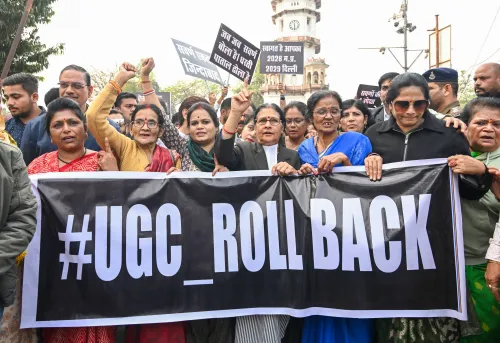
Although these measures were framed as steps towards promoting fairness, they met with swift backlash from various sectors. Critics contended that the definitions were unclear and could lead to instances of reverse discrimination.
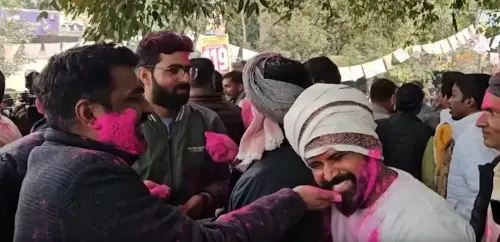
Numerous student organizations, educators, and social groups raised their voices against the regulations, prompting widespread protests and petitions. The situation escalated into a legal conflict that ultimately reached the Supreme Court.
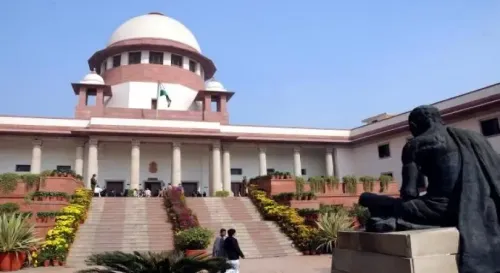
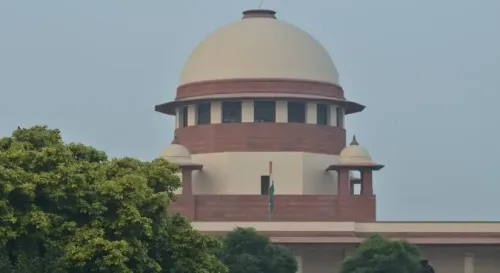
Preliminary hearings revealed the Court's concerns regarding the vague language of the regulations and their potential for misuse. An interim stay was placed on the new rules, allowing the old 2012 regulations to remain in effect pending further scrutiny.
The Court also highlighted that such provisions might exacerbate social divides, emphasizing the necessity for a comprehensive constitutional review. This case, which originated from petitions filed in 2019 concerning alleged discrimination in higher education, is still awaiting resolution in the apex court.
In light of this backdrop, the appointment of Prof. Shyama Rath is particularly significant. He takes on not only the administrative duties of the UGC but also the formidable task of addressing a policy dispute that has divided the academic community.
Experts believe that his role will be vital in reconciling the interests of varied stakeholders, reinstating trust in the regulatory framework, and guiding the higher education system through a challenging period of scrutiny and debate.
The transition at the UGC occurs at a pivotal moment, underscoring the critical nature of leadership in shaping the future trajectory of India's universities.
Point of View
And his leadership will be essential in restoring stakeholder confidence.
NationPress
10 Oct 2026
Frequently Asked Questions
Who is taking over as UGC Secretary?
Prof. Shyama Rath, currently the Member Secretary of AICTE, will assume the role of UGC Secretary.
When will the change in leadership take effect?
The change will take effect on April 25, 2026.
What major initiatives did Prof. Joshi implement during his tenure?
Prof. Joshi initiated several programs focused on equity, transparency, and accountability within universities.
Why were the new UGC regulations criticized?
The regulations faced backlash for being vague in their definitions, leading to concerns about potential reverse discrimination.
What is the current status of the legal challenges against the UGC regulations?
The Supreme Court has placed an interim stay on the new regulations while examining their implications.